Why Photography Matters for Small Living Rooms
Try Palette Immo AI Interior Styler
Transform empty rooms and listing photos with AI virtual staging and interior design. Get started in minutes.
Get startedWhen listing a property online, first impressions are critical. Professional-quality photography not only captures attention but also conveys the potential of small spaces. Small living rooms often need an extra touch to appear spacious and welcoming. In this guide, we’ll discuss pivotal tips for optimizing your shots and showcasing your space effectively.
1. Use Natural Light
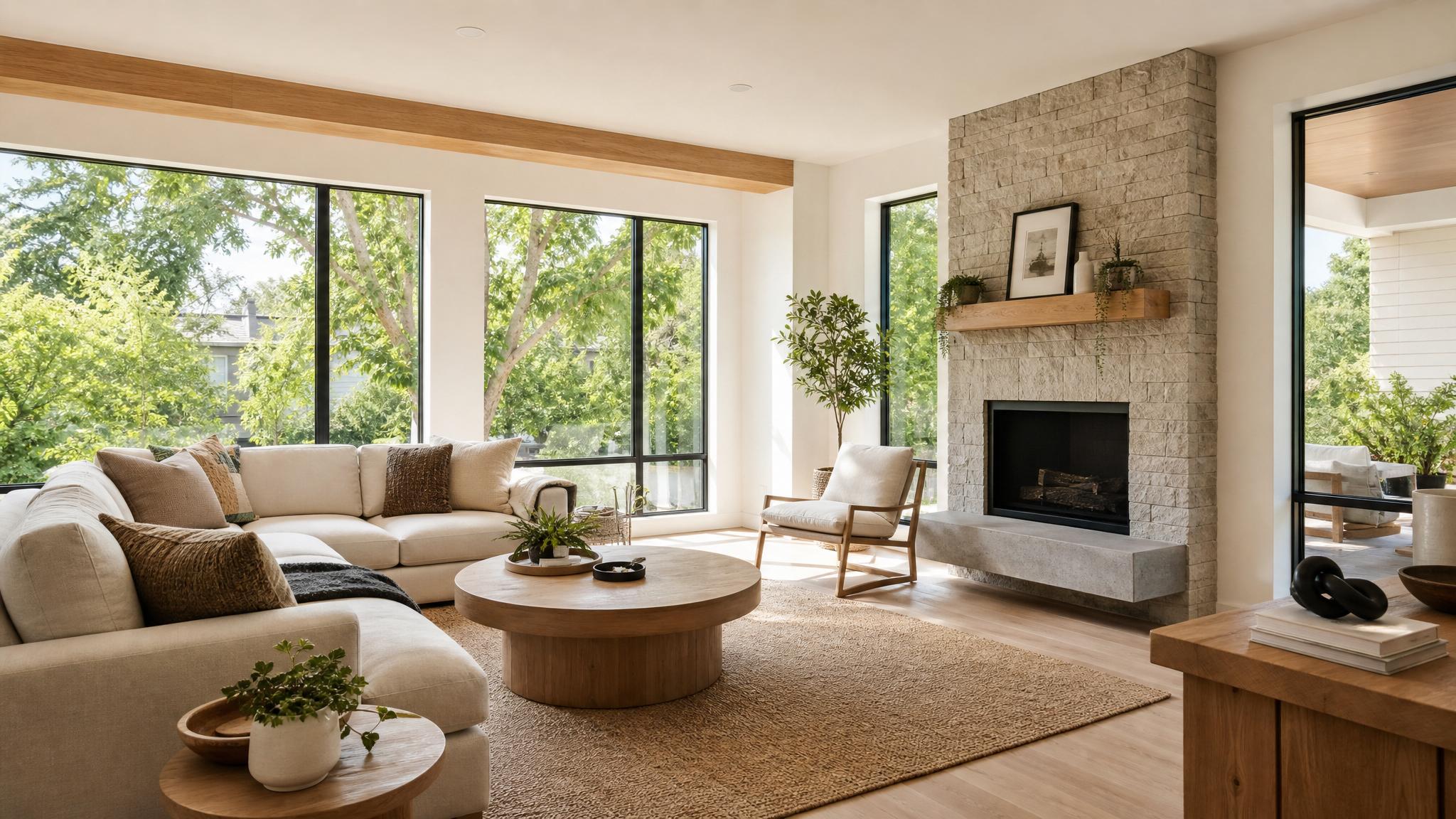
Whenever possible, shoot during the daytime when natural light floods the room. Open window curtains and shades to allow maximum light to brighten up the space. Natural lighting makes colors pop and provides a harmonious feeling, which can be particularly beneficial for smaller spaces.
2. Adjust Your Angles
To make the room appear larger, shoot from the corners of the room rather than straight on. This perspective can showcase the depth of the space and lead the viewer’s eye throughout the room.
3. Declutter and Stage
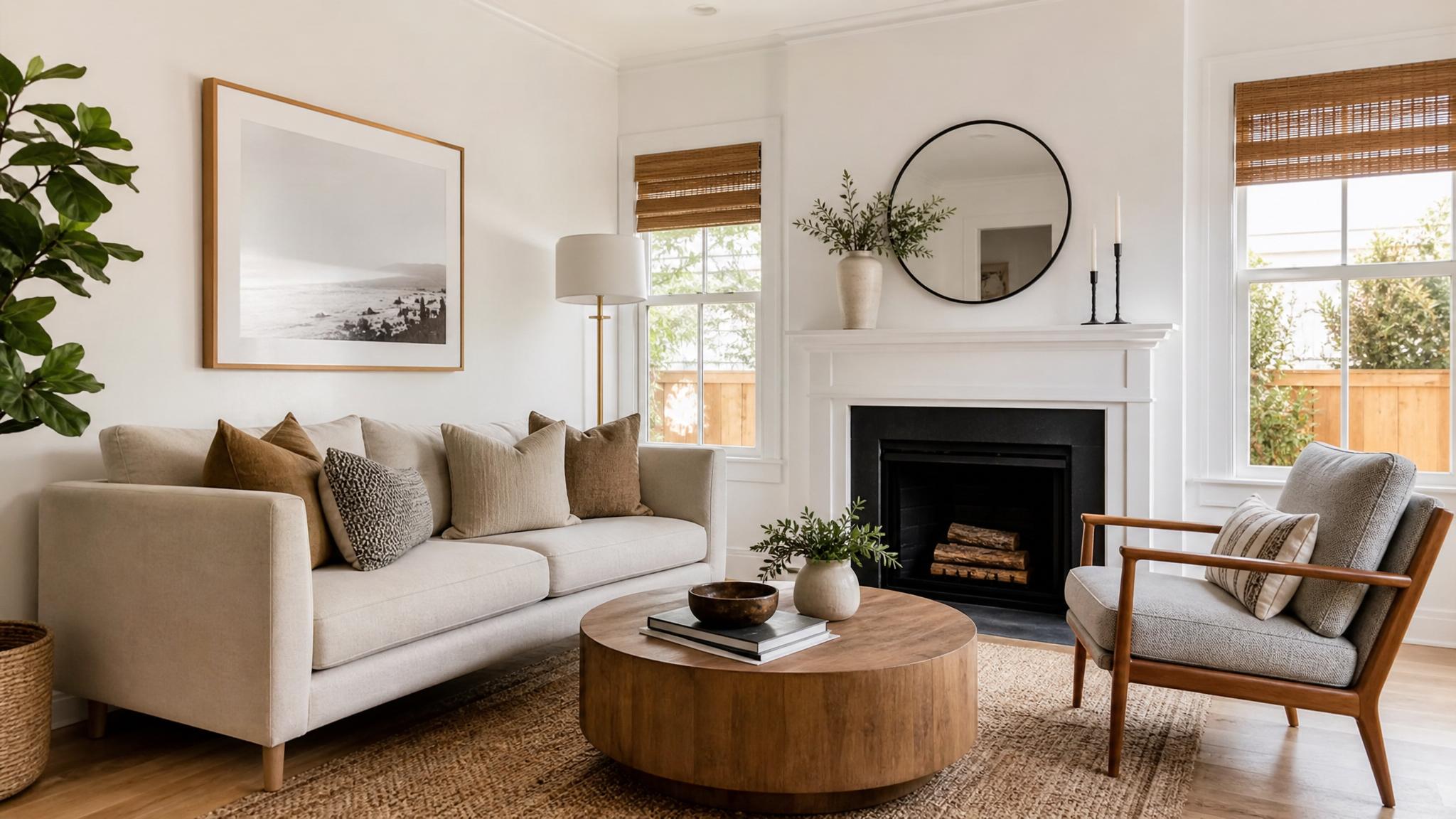
Before taking photos, ensure the room is tidy and well-staged. Remove any unnecessary items that can make the space feel cramped. Use virtual staging tools like Palette.immo to enhance the visual appeal of the room with furniture that complements the style.
4. Use a Wide-Angle Lens
A wide-angle lens can capture more of the room in a single shot, helping potential buyers visualize the entire space. Just be cautious not to overdo it; excessive distortion can misrepresent room dimensions.
5. Enhance with Editing
Post-processing is crucial in real estate photography. Simple adjustments like brightness, contrast, and color correction can make a significant difference in how the final photos appear. However, it’s essential to maintain a natural look.
6. Showcase the Functionality
Highlight how the room can be used by staging specific areas for various functions, like reading nooks or productivity corners. This approach can help viewers visualize their own lives within that space.
7. Add a Personal Touch
Incorporate items that reflect the home’s character, such as artwork or unique decor pieces, but keep it minimal. This strategy adds warmth and can make potential buyers feel more at home.
8. Focus on Key Features
If the small living room has unique features like fireplace mantels, built-in shelving, or architectural details, ensure to capture those details in close-up shots. These elements can add charm and appeal to potential buyers.
9. Optimize Your Composition
Pay attention to the rule of thirds, leading lines, and symmetry when setting up your shots. Good composition draws the eye and enhances the overall professionalism of the images.
10. Avoid Overcrowding
While it may be tempting to show multiple angles and areas, too many photos can overwhelm potential buyers. Select the best shots that highlight the room’s advantages without overcrowding the portfolio.
Key takeaway
Quality photography is essential for marketing small living rooms effectively. By combining techniques like natural lighting, creative angles, and good staging, you can create inviting images that resonate with prospective buyers.