Understanding Natural Light in Photography
Try Palette Immo AI Interior Styler
Transform empty rooms and listing photos with AI virtual staging and interior design. Get started in minutes.
Get startedNatural light can transform your photos, highlighting the beauty of your small living room. It creates depth, enhances colors, and brings warmth to your space.
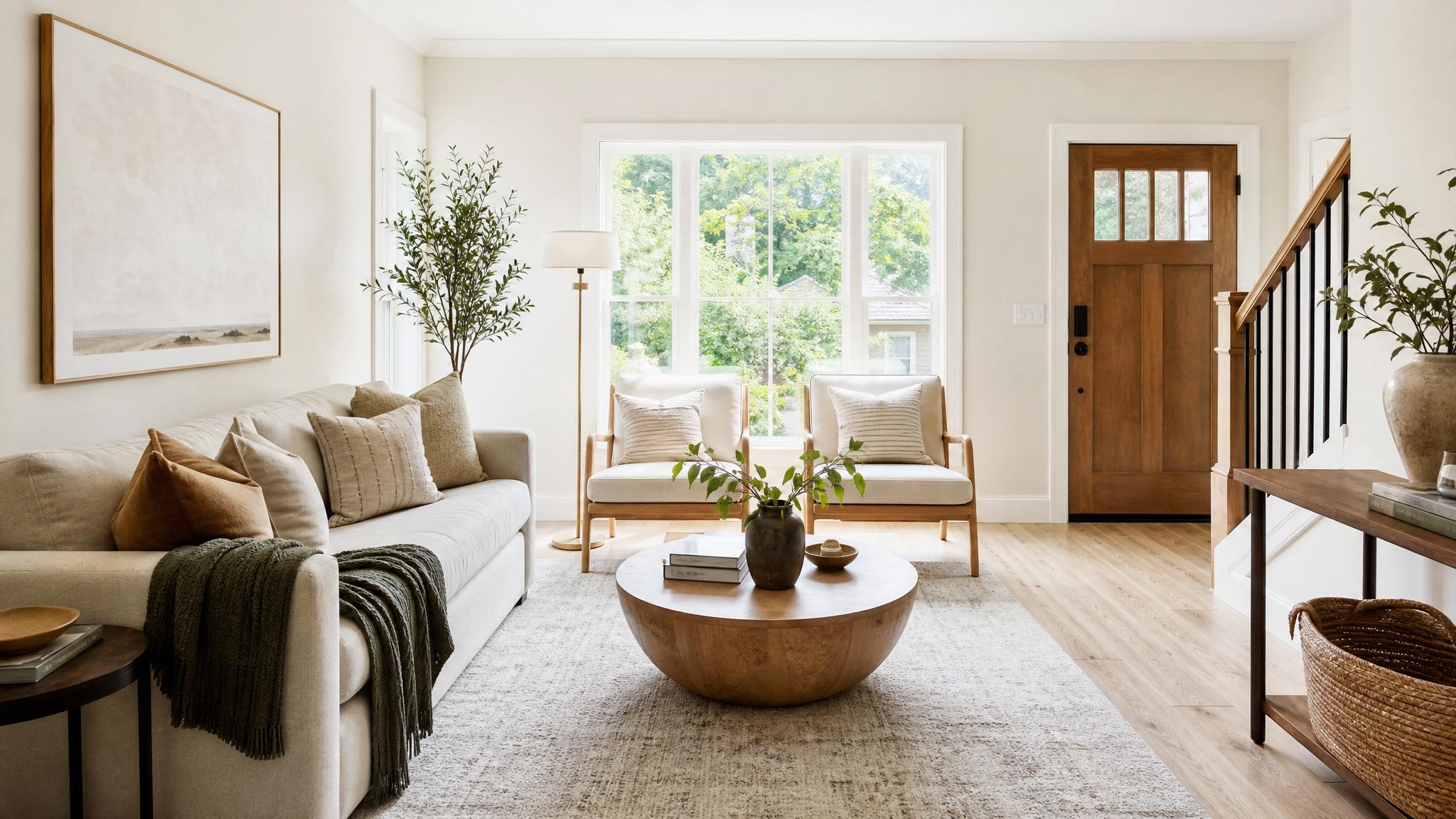
1. Time Your Shots
The time of day significantly affects the quality of natural light. Early mornings and late afternoons (golden hour) provide soft, diffused light that enhances any room's aesthetic. Experiment with different times to find what works best for your living room.
2. Use White and Light-Colored Furnishings
Light-colored walls, furniture, and decor can reflect and amplify natural light. Consider using white or pastel shades for your small living room to help brighten the space, making it appear larger and more inviting.
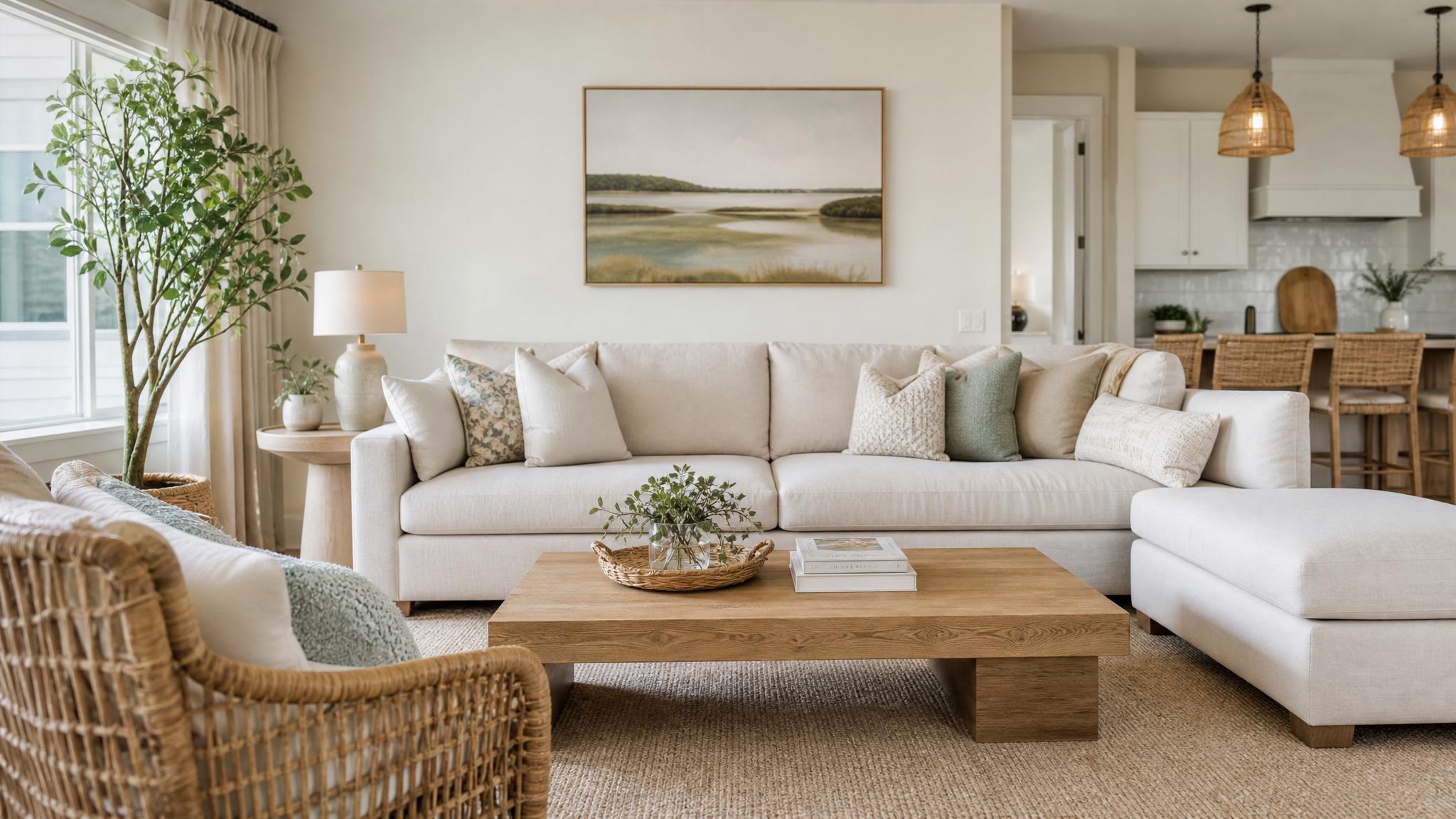
3. Maximize Window Views
Ensure windows are clean and unobstructed. If necessary, use light curtains to let in more light while maintaining privacy. Position your camera to capture the window view and the light it spills into the room.
4. Avoid Overhead Lighting
Overhead lights can create unappealing shadows and harsh contrasts. Rely more on natural light sources. If you need additional lighting, opt for soft lamps or light fixtures that mimic natural light.
5. Experiment with Angles
Different angles can alter how light interacts with your space. Try shooting from various perspectives—lower, higher, and side angles—to capture the living room's best features enhanced by natural light.
Key takeaway
Natural light is your best friend when photographing small living rooms. By timing your shots and making simple decor changes, you can dramatically improve your photos.
Conclusion
Mastering natural light in your small living room photography is key to showcasing its potential. Use these tips to create beautiful images that can attract potential buyers or enhance your portfolio. Remember, the right light can make all the difference!