Understanding Wabi-Sabi
Try Palette Immo AI Interior Styler
Transform empty rooms and listing photos with AI virtual staging and interior design. Get started in minutes.
Get startedWabi-sabi is a Japanese aesthetic philosophy that embraces imperfection, transience, and the beauty of natural materials. It's about finding beauty in the flawed and aging process, making it a perfect fit for townhouses that may have character but lack the polished finish of newer designs.
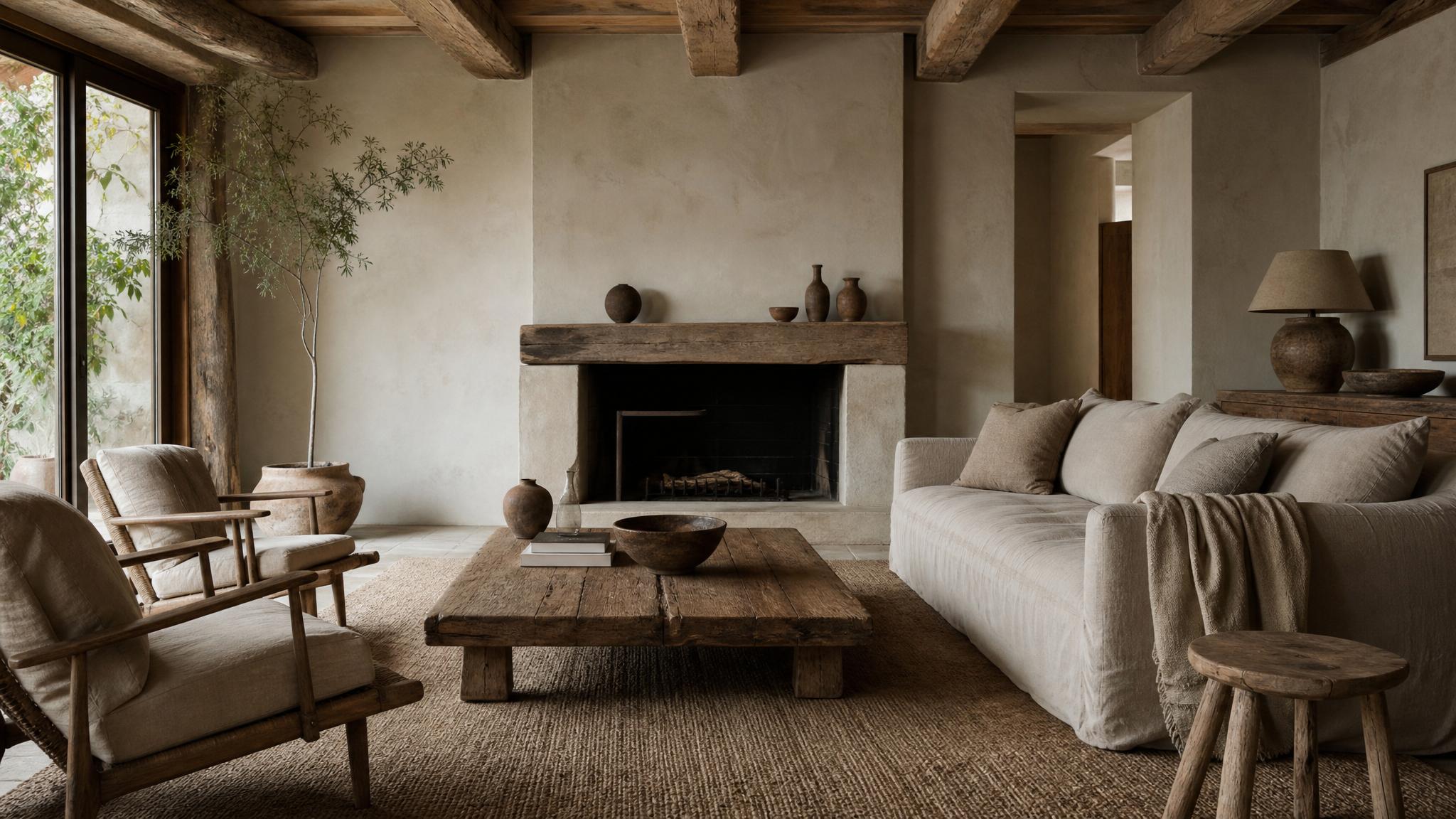
Key Elements of Wabi-Sabi in Interior Design
To effectively bring wabi-sabi into an open-plan living room, focus on these key elements:
- Natural Materials: Use wood, stone, and clay in your furnishings and décor.
- Earthy Palette: Stick to a palette of browns, greens, and muted tones.
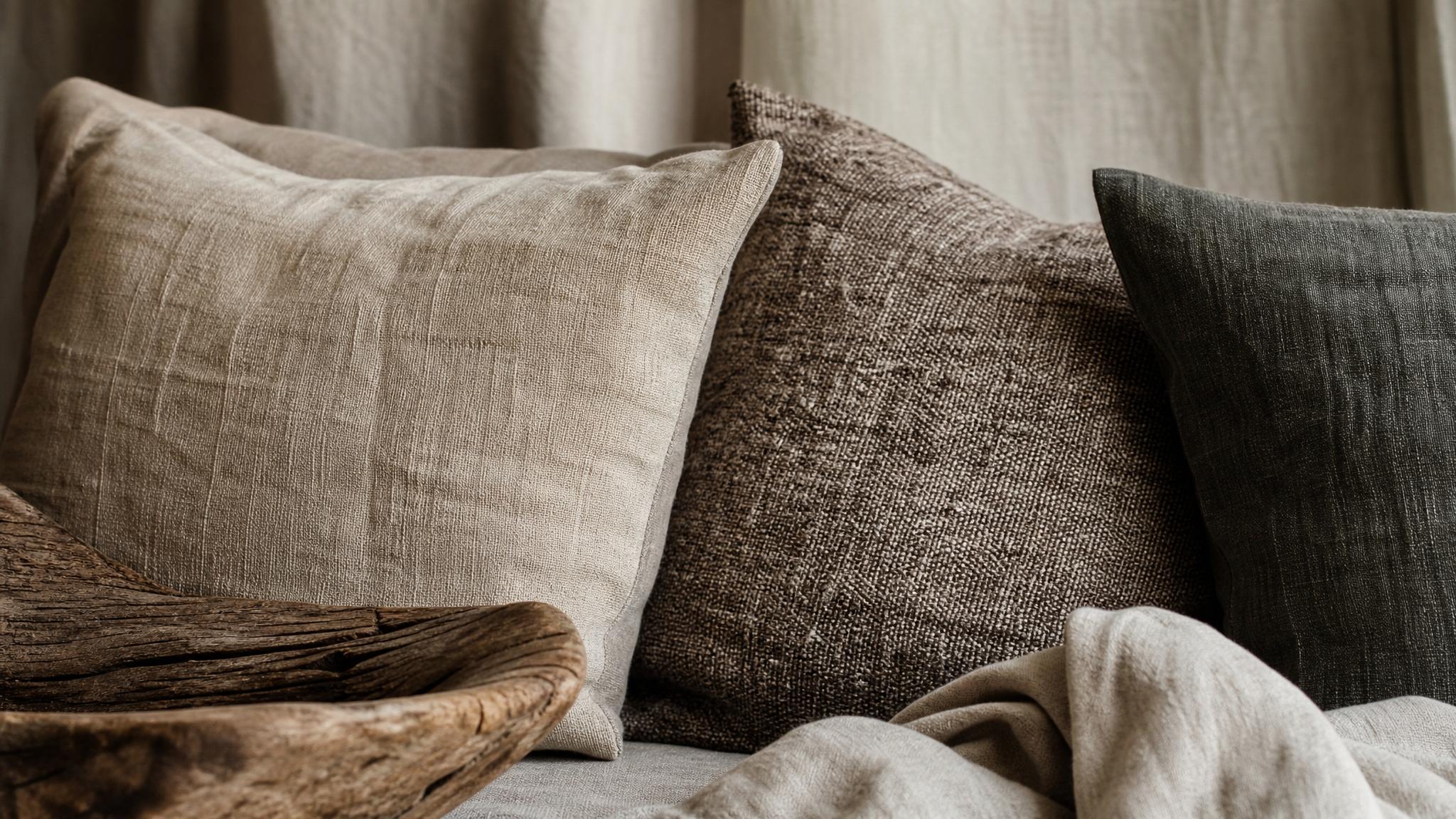
- Textured Fabrics: Incorporate textiles with varied textures, like linen and wool.
- Intentional Imperfection: Choose artisanal pieces that exhibit unique flaws.
Creating a Wabi-Sabi Open-Plan Living Room
Here’s a quick refresh plan to transform your townhouse’s open-plan living room with wabi-sabi influences:
Step 1: Declutter
Begin by removing unnecessary items. Keep only what brings joy and serves a purpose.
Step 2: Incorporate Natural Textures
Introduce wood furniture, woven baskets, and stone elements. Choose a wooden coffee table or a simple console.
Step 3: Choose a Muted Color Scheme
Paint or refresh your walls in warm, earthy tones like soft beige or muted sage to set a calming backdrop.
Step 4: Curate Your Decor
Select décor pieces that highlight flaws and stories, such as handmade pottery or vintage finds.
Step 5: Layer Textiles
Finally, layer soft textiles, like a natural fiber rug and cushions in various textures, to add warmth and comfort.
Maintaining Your Wabi-Sabi Space
Maintaining a wabi-sabi aesthetic doesn’t mean you need to keep everything dusty and old. Instead, regularly rotate art pieces and refresh textiles as seasons change. This will keep the space dynamic and inviting, celebrating the beauty of seasonal changes.
Key takeaway
Wabi-sabi isn't about perfection but celebrating the beauty in imperfection. Embrace natural materials and personal elements to create a space that feels authentic and warm.