Understanding the Importance of Real Estate Photography
Try Palette Immo AI Interior Styler
Transform empty rooms and listing photos with AI virtual staging and interior design. Get started in minutes.
Get startedIn the realm of real estate, first impressions can make or break a deal. High-quality photographs are essential for attracting potential buyers, capturing their attention, and showcasing properties in the best light. Effective visual marketing has become a key aspect of selling homes, making it important for real estate agents and homeowners alike to understand what goes into great photography.
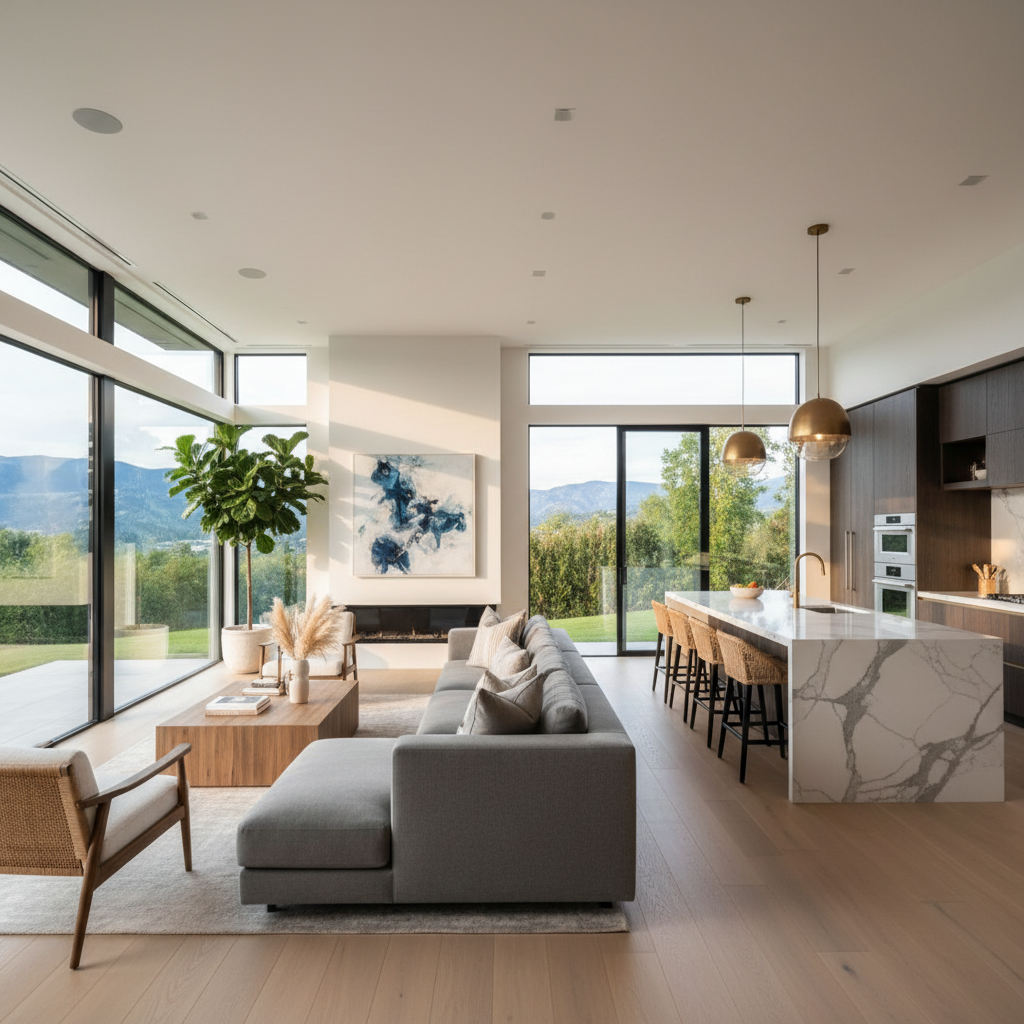
Pre-Photoshoot Preparation
Before you even think about clicking that shutter, there are several steps to ensure that everything is in place:
- Clean and Declutter: Make sure the space is tidy. Remove personal items, clutter, and anything that might distract viewers from the property's features.
- Staging: Use virtual staging or physical staging strategies to highlight the best aspects of the property, creating an inviting atmosphere.
- Lighting: Natural light is your best friend. Schedule your shoot for the time of day when the property gets the most light. Turn on all lights and open blinds to enhance this effect.
Essential Gear for Real Estate Photography
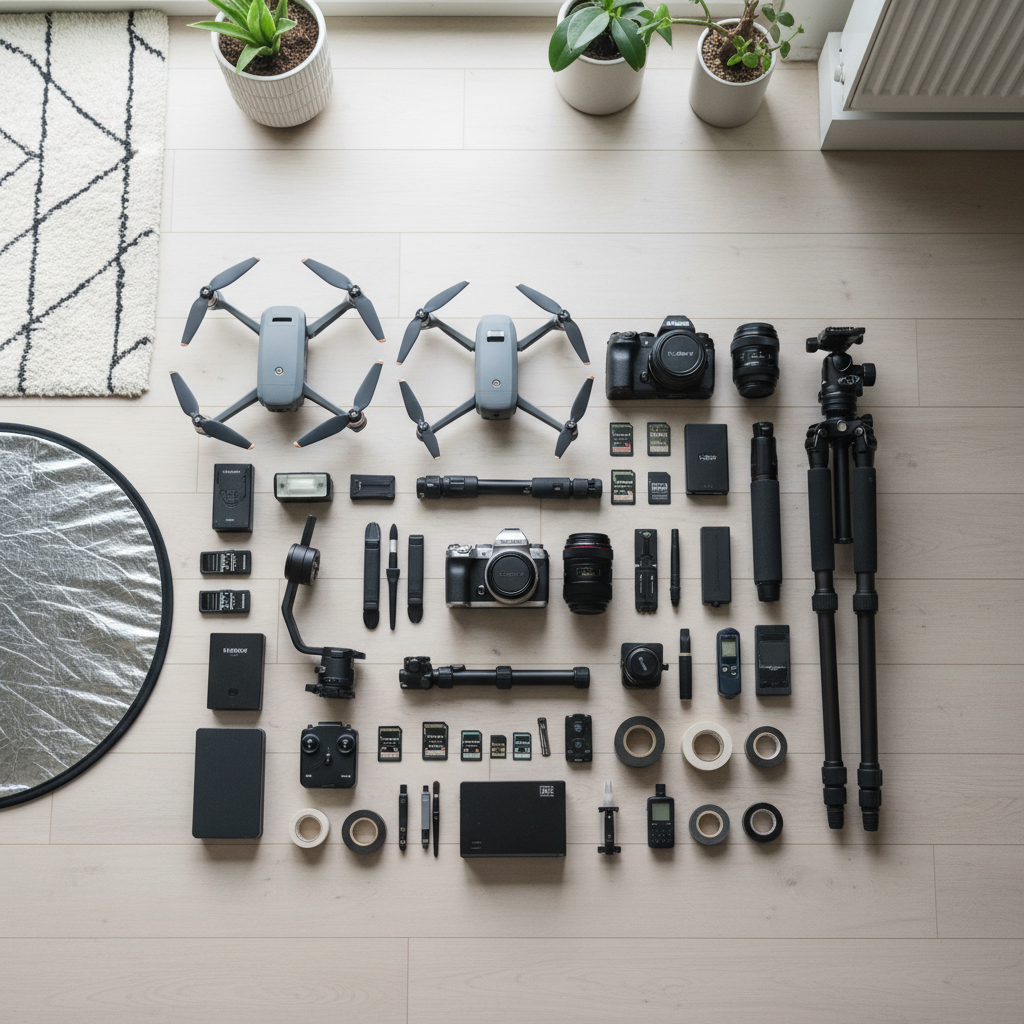
Having the right tools can make a significant difference in the quality of your images. Here’s a list of essential gear:
- Camera: A DSLR or mirrorless camera with a wide-angle lens is ideal for capturing interiors.
- Tripod: A sturdy tripod prevents camera shake and allows for longer exposure times in low-light conditions.
- Editing Software: Software like Adobe Lightroom or Photoshop is important for post-processing—adjusting lighting and correcting colors.
Taking the Photos: Best Practices
When it comes time to take the photos, here are some tips to achieve the best results:
- Composition: Use the rule of thirds to position key focal points. Don’t forget to capture the entire room.
- Angles: Shoot from the corner of a room to ensure a sense of depth. Aim for a combination of horizontal and vertical shots.
- Avoid Distortion: Keep vertical lines straight to avoid a distorted appearance, especially in tight spaces.
Post-Production Tips
Editing can enhance your photos significantly. Here’s what to focus on:
- Color Correction: Adjust exposure, contrast, and saturation to make colors pop while ensuring they remain true to life.
- Retouching: Remove any distracting elements in the background that could take away from the property’s appeal.
- Image Formats: Save your final images in a high-resolution format for listings and a compressed version for online sharing.
Key Takeaway
The visual presentation of a property can heavily influence buyer interest. A thorough understanding of preparation, gear, and post-production techniques will ensure your real estate photography stands out and attracts potential buyers.