Understanding Zen Living Room Designs
Try Palette Immo AI Interior Styler
Transform empty rooms and listing photos with AI virtual staging and interior design. Get started in minutes.
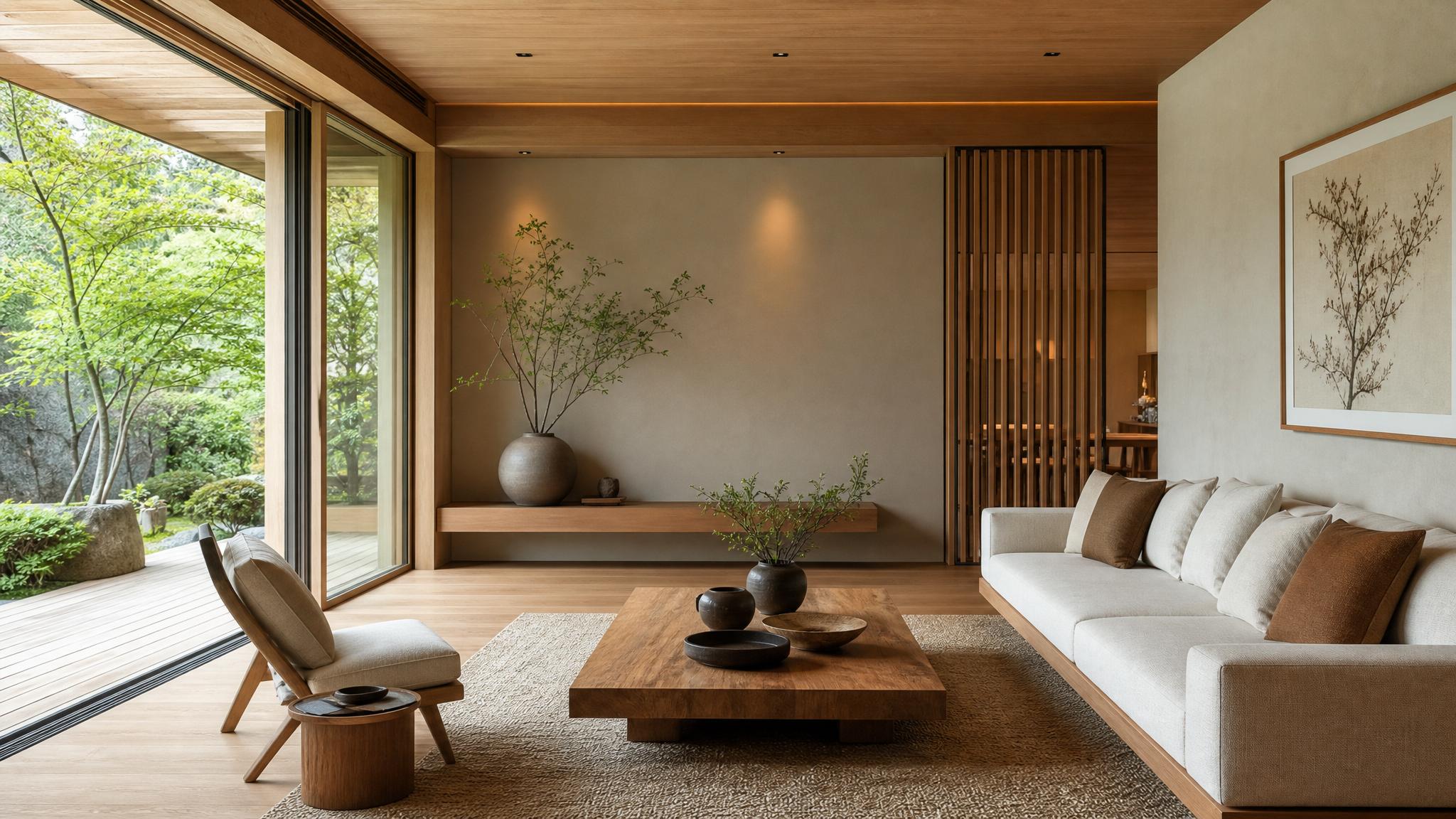
Get startedA zen living room embodies serenity and peace, using furniture layouts, colors, and decor that promote relaxation. The essence of a zen space lies in its simplicity and mindfulness, allowing for a calm atmosphere.
Key Elements of a Zen Living Room
There are several key components to consider when designing a zen-inspired space:
- Neutral colors like white, beige, and soft pastels promote tranquility.
- Natural materials such as wood and stone create an organic feel.
- Minimalist furniture arrangements prevent clutter and foster open spaces.
- Incorporating nature through plants enhances the calming atmosphere.
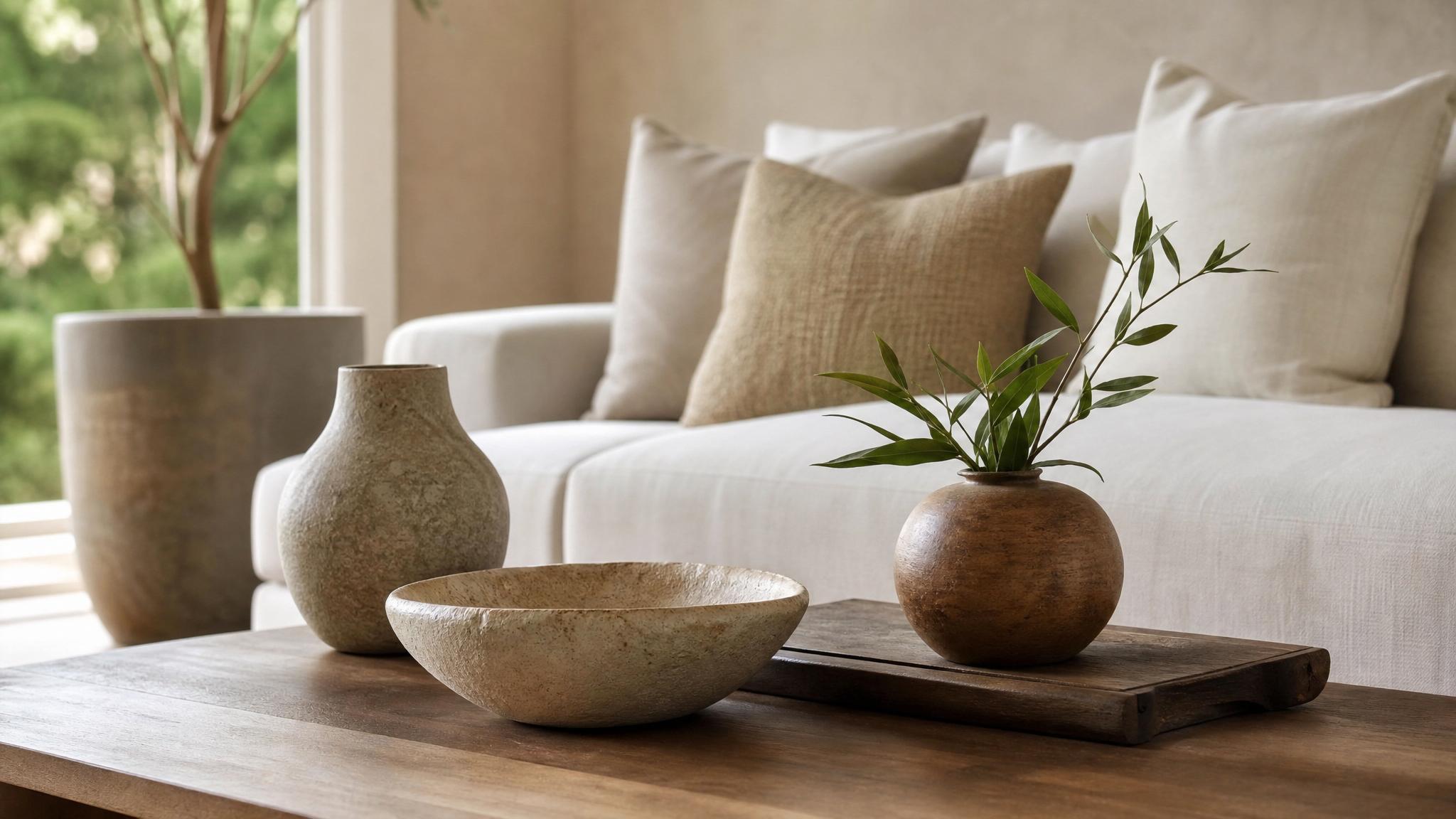
15 Buyer-Friendly Room Layouts for a Zen Living Room
Here are 15 creative room layouts that embody calmness and align with the principles of zen design:
1. Open-Concept Serenity
Utilize an open space that merges the living room with natural light from large windows, incorporating soft furniture arrangements.
2. Symmetrical Balance
Use equal distances between furniture pieces to create a sense of balance, with a central coffee table surrounded by seating.
3. Nature-Inspired Layout
Position furniture to overlook a garden or outdoor area, enhancing the connection between the indoors and outdoors.
4. Corner Composition
Place a cozy armchair in a corner with soft lighting to create a personal relaxation nook.
5. Minimalist Approach
Limit the number of pieces to essential furniture, favoring items with clean lines and muted colors.
6. Flowing Geometry
Create circular seating arrangements, promoting conversation and a welcoming environment.
7. Area Rug Centrality
Utilize plush area rugs to define seating areas, adding warmth and comfort to bare floors.
8. Cozy Layering
Add layers of throws and cushions in similar color themes, making the space feel inviting while adhering to zen principles.
9. Adjusted Heights
Incorporate furniture of varying heights for visual interest, with low tables and tall plants complementing one another.
10. Alcove Serenity
Transform an alcove into a reading nook with ample lighting and a comfortable chair.
11. Dual-Purpose Pieces
Utilize furniture that serves multiple purposes; for instance, an ottoman that doubles as storage.
12. Light and Airy
Design with sheer curtains and light fabrics to enhance natural light and allow for airflow.
13. Focal Points
Use artwork or a unique feature like a fireplace as a focal point to draw the eye and create harmony.
14. Mobile Furniture
Incorporate furniture on wheels for easy rearrangement, allowing for flexibility in layout.
15. Space for Movement
Ensure pathways between furniture allow for easy navigation and movement within the room.
Benefits of a Zen Living Room
Designing a zen living room not only attracts potential buyers but also provides psychological benefits:
- Promotes relaxation and stress reduction.
- Encourages mindfulness and spiritual well-being.
- Creates a welcoming environment for both residents and visitors.
Key takeaway
By integrating these buyer-friendly layouts, you can enhance the marketability of your home while also creating a peaceful living environment.
Final Thoughts
Incorporating zen principles into your living room not only fosters a peaceful space but can also make your home more attractive to potential buyers. Apply these room layouts to create a serene atmosphere that promotes relaxation and well-being.