Understanding Transitional Design
Try Palette Immo AI Interior Styler
Transform empty rooms and listing photos with AI virtual staging and interior design. Get started in minutes.
Get startedTransitional design beautifully merges traditional and contemporary styles. This approach allows for a balanced aesthetic, creating a comfortable yet sophisticated space. In studio apartments where every square inch counts, transitional design can make your small living room feel open and inviting.
Color Schemes That Elevate Small Spaces
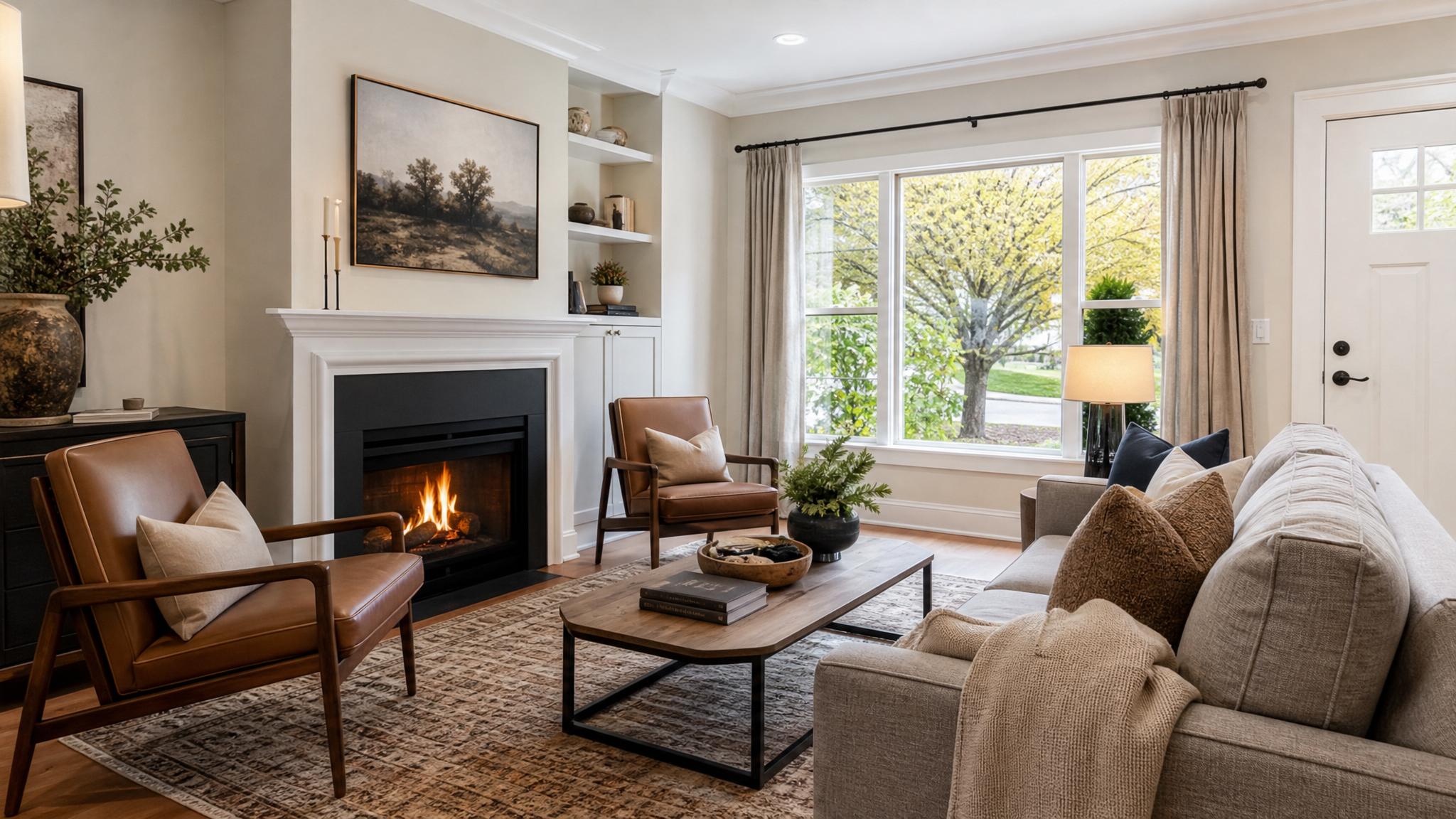
When designing a small living room, color plays a crucial role. Neutral palettes provide a sense of openness, while strategically placed pops of color can invigorate the space. Shades like soft greys, whites, and beiges form the base, whereas navy blue or emerald green accents offer depth.
Furniture Selection for Efficiency
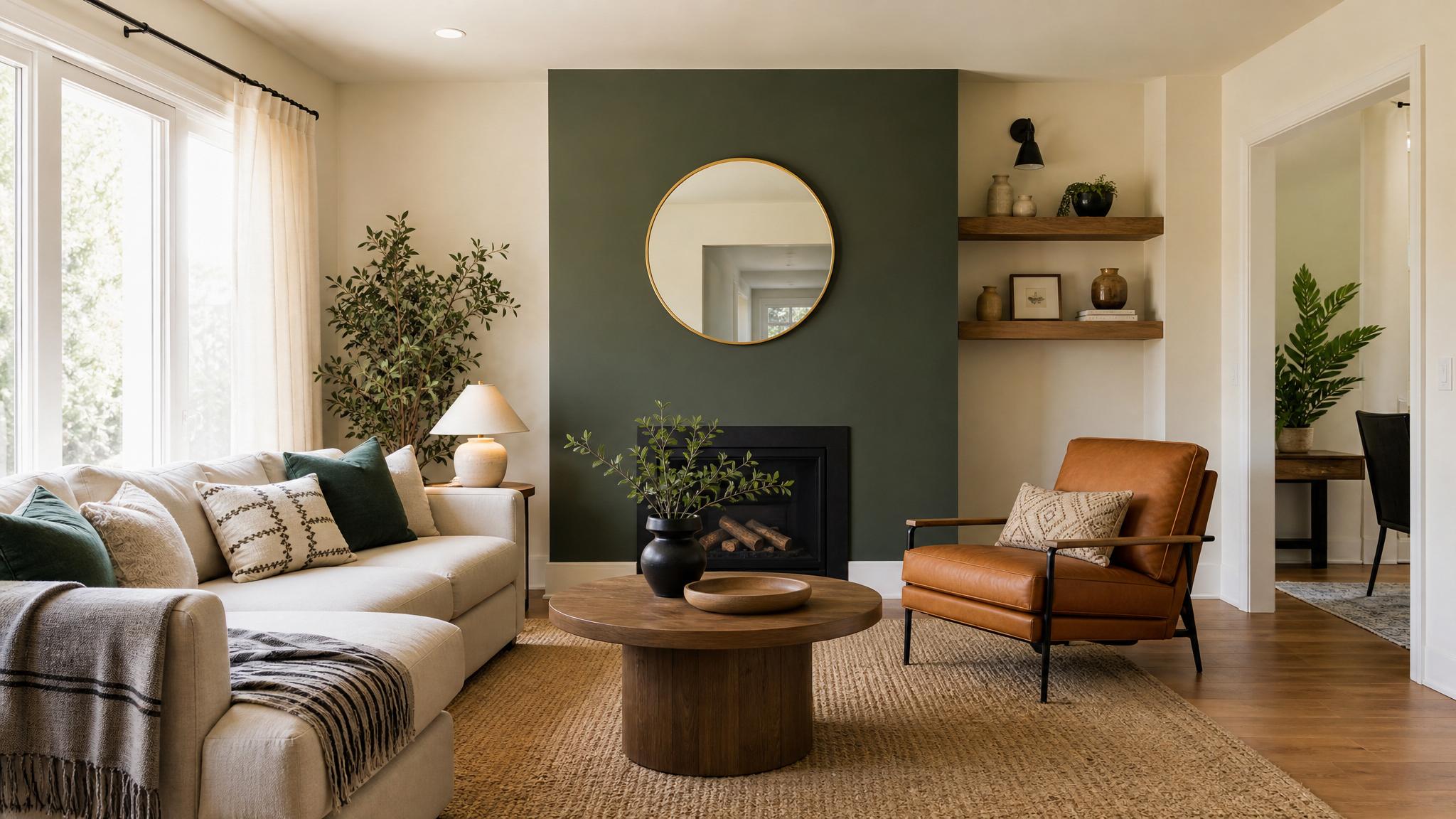
Choosing the right furniture is vital in small living rooms. Opt for multi-functional pieces such as a sofa bed or an ottoman with storage. Avoid bulky furniture that clutters the space and stick with streamlined designs that reflect the transitional theme.
Best Furniture Choices
- Lightweight furniture
- Compact sectional sofas
- Nested tables
- Storage ottomans
Creating a Cohesive Flow
The key to a successful transitional small living room lies in the flow of the space. Define separate areas within your studio by using rugs, different lighting fixtures, and varied textures. This not only enhances functionality but also keeps the aesthetic transitions smooth.
Key takeaway
Consider the balance of comfort and style in transitional design: select furniture that serves dual purposes and utilizes vertical space to keep your studio organized and inviting.
Accessorizing Wisely
Accessories serve as the finishing touch in any design. Incorporate art pieces that resonate with you, mirrors to amplify light, and plants to bring in a touch of nature. As a rule of thumb, keep accessories minimal to avoid overwhelming the area.