Understanding Wabi-Sabi Design
Try Palette Immo AI Interior Styler
Transform empty rooms and listing photos with AI virtual staging and interior design. Get started in minutes.
Get startedWabi-sabi is a Japanese aesthetic philosophy that finds beauty in imperfection and transience. In interior design, this means embracing natural materials, the passage of time, and the uniqueness of handcrafted items. A wabi-sabi living room invites tranquility and harmony through simplicity and understated elegance.
1. Rustic Wooden Coffee Tables
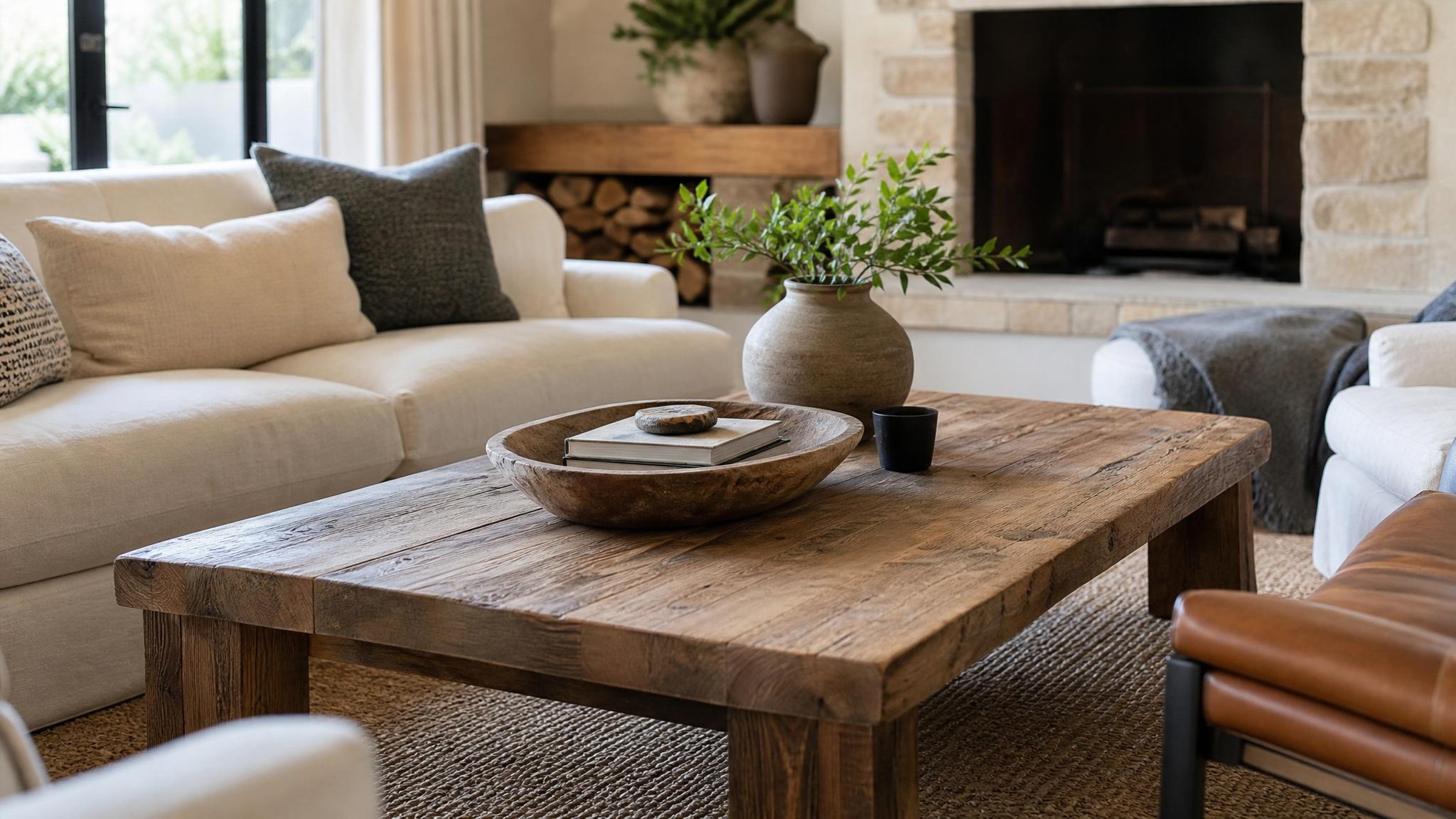
A rustic wooden coffee table serves as a perfect centerpiece for a wabi-sabi living room. Look for tables with lived-in finishes and natural grains that evoke a sense of warmth.
2. Comfortable, Asymmetrical Sofas
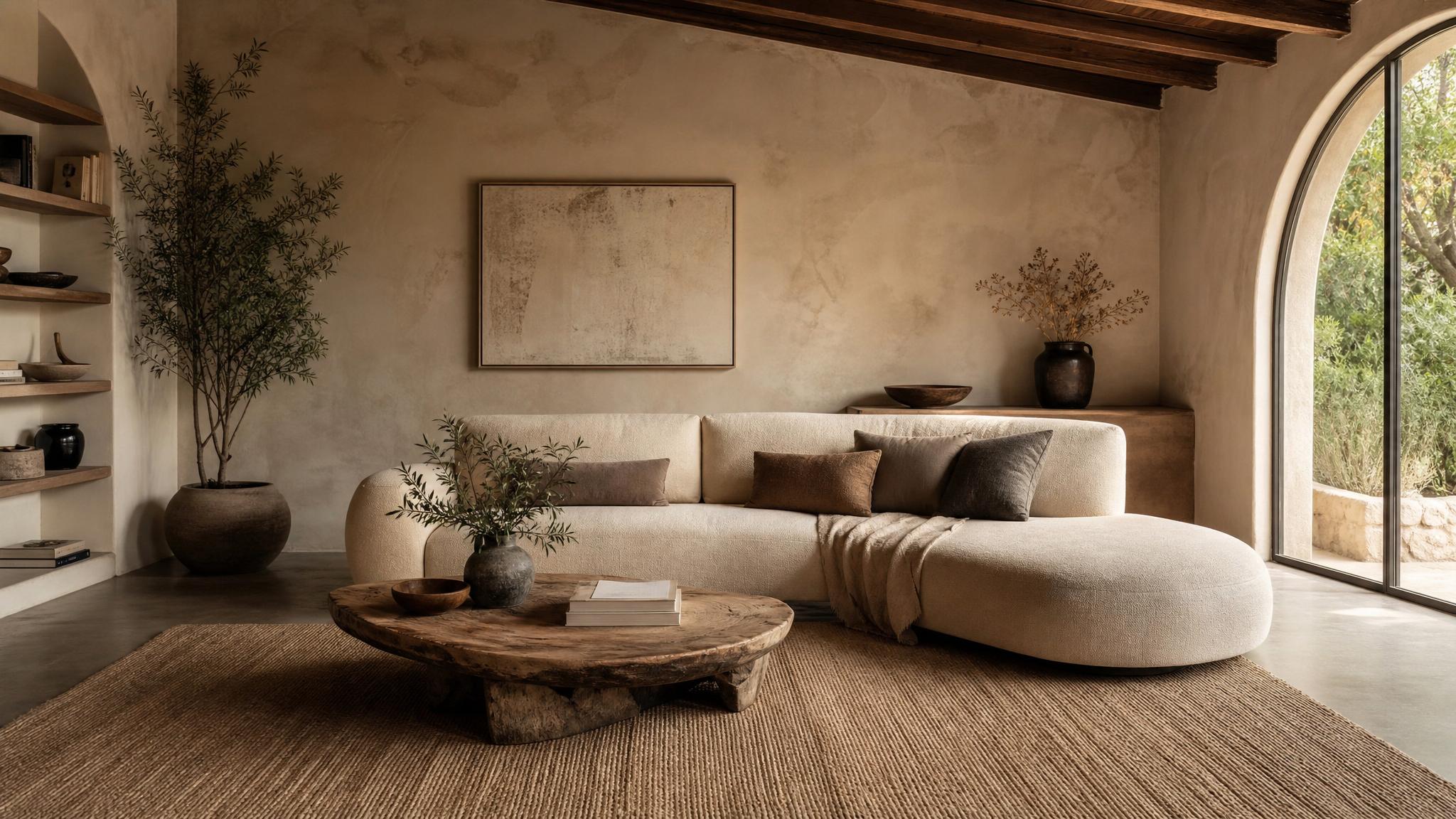
Asymmetrical sofas made from natural fabrics like linen or cotton can add character to your space. Look for sofas that feel inviting and cozy, contributing to the overall aesthetic of comfort and imperfection.
3. Earthy Textured Throw Pillows
Incorporate an array of throw pillows with various textures—think burlap, cotton, and wool—to enhance the tactile experience of your living room. Choose colors that reflect nature, such as muted greens and browns.
4. Handmade Pottery and Vases
Utilizing handmade pottery and vases adds an element of artistry to your living space. Opt for pieces that showcase imperfections, like uneven surfaces and organic shapes.
5. Reclaimed Wood Shelving
Reclaimed wood shelving not only provides storage but also serves as a statement piece. Look for shelves that highlight knots and natural variations in wood color.
6. Vintage Rugs
Layering vintage rugs is a great way to add warmth and texture. Choose rugs that tell a story with their patterns and colors, further enhancing your living room's imperfect charm.
7. Soft Ambient Lighting
Utilize soft ambient lighting through paper lanterns or warm-toned bulbs. The gentle glow creates a calming atmosphere that embodies wabi-sabi principles.
8. Natural Fiber Curtains
Using curtains made from natural fibers like cotton or ramie can filter light gently, adding to the room's serene vibe. Go for earthy tones or simple patterns that won’t overpower the living space.
9. Simple Geometric Accessories
Add simple geometric accessories in neutral colors to create contrast with organic shapes in the room. This juxtaposition highlights the beauty of imperfection in both styles.
10. Unadorned Wooden Benches
Incorporate unadorned wooden benches for additional seating. They should have a raw finish, showcasing the natural beauty of the wood grain and imperfections.
11. Vintage Artwork
Hang vintage artwork or prints that evoke nostalgia. Look for pieces with marks and wear that tell a story, fitting perfectly in a wabi-sabi context.
12. Organic-Shaped Decorative Objects
Introduce organic-shaped decorative objects—such as stones, driftwood, or glass—to bring nature indoors. These imperfect shapes beautifully complement a relaxed aesthetic.
13. Whimsical Book Displays
Display books in a casual manner, such as stacking them on coffee tables or using small stands. Select titles with covers that add to the aesthetic without overwhelming the space.
14. Greenery and Indoor Plants
Bring life into your living room with greenery. Use simple, unpretentious pots for your plants, allowing nature’s imperfections to enhance your design.
15. Personal Touches
Lastly, add personal items like family photos or travel souvenirs. These personal touches contribute to the character of the space, embodying the wabi-sabi philosophy of embracing what is unique.
Key takeaway
A wabi-sabi living room is a space where imperfections define character. Focus on natural materials, handcrafted items, and personal storytelling to create a warm, inviting environment.