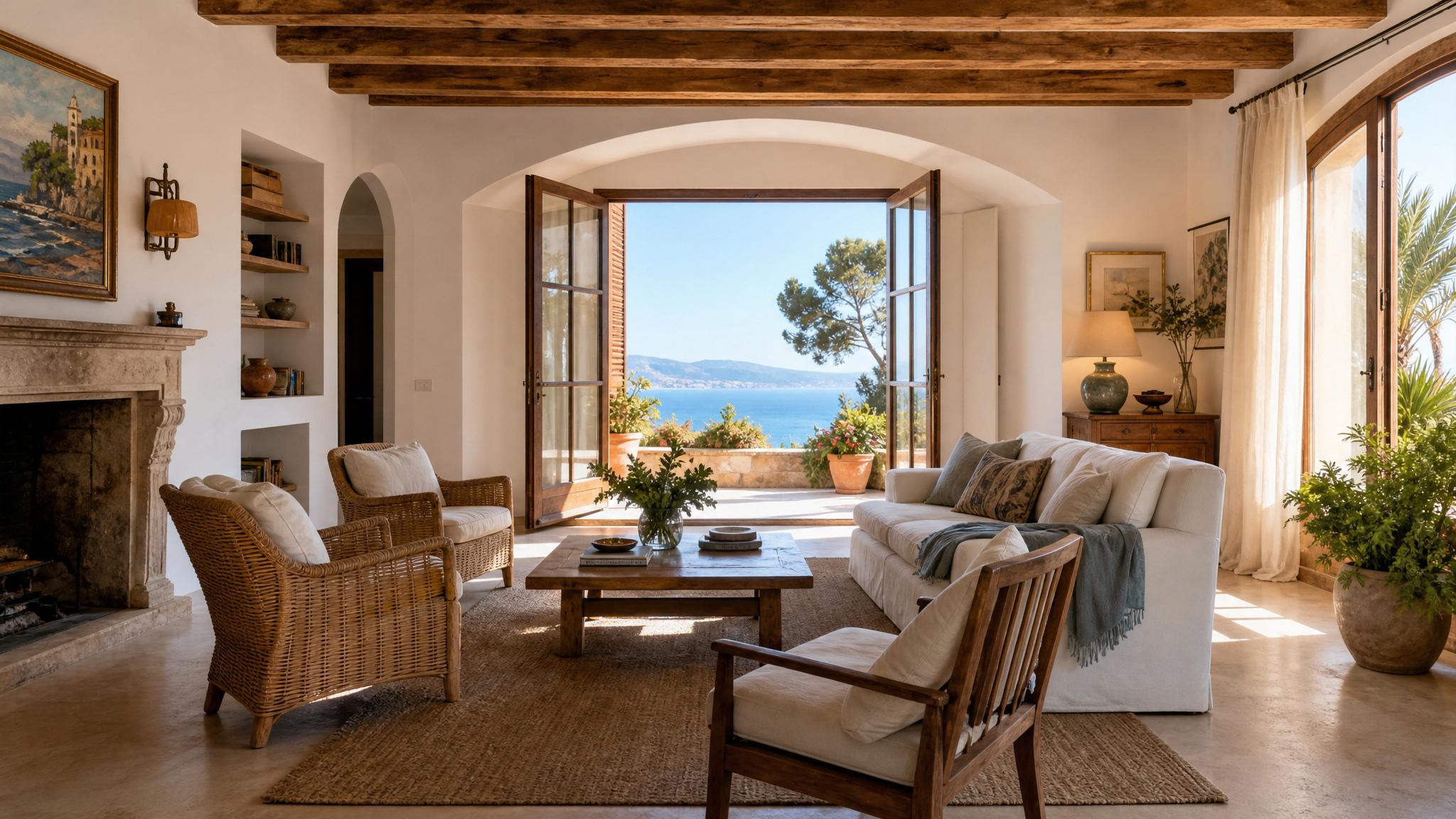
Why Choose Mediterranean Style for Winter Staging?
Try Palette Immo AI Interior Styler
Transform empty rooms and listing photos with AI virtual staging and interior design. Get started in minutes.
Get startedThe Mediterranean style, characterized by its warm colors, natural materials, and vibrant patterns, can create an inviting atmosphere even during the cold months. The key is balancing comfort and style.
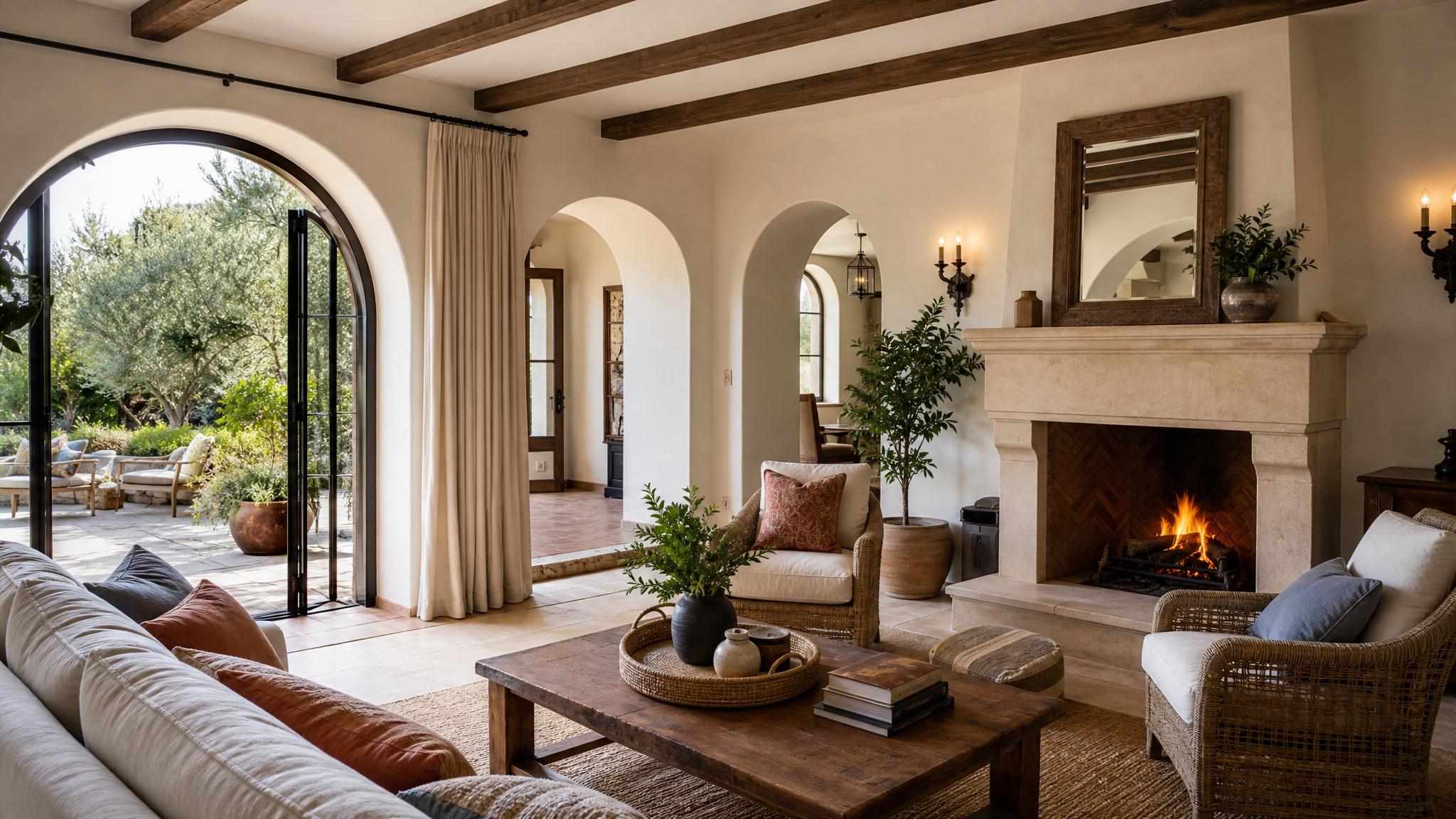
Color Palette: Embrace Warm Tones
During winter, opt for a color palette that reflects warmth. Deep oranges, terracotta, and soft yellows can create the inviting feel often associated with Mediterranean design. Use these colors in throws, cushions, and even wall art.
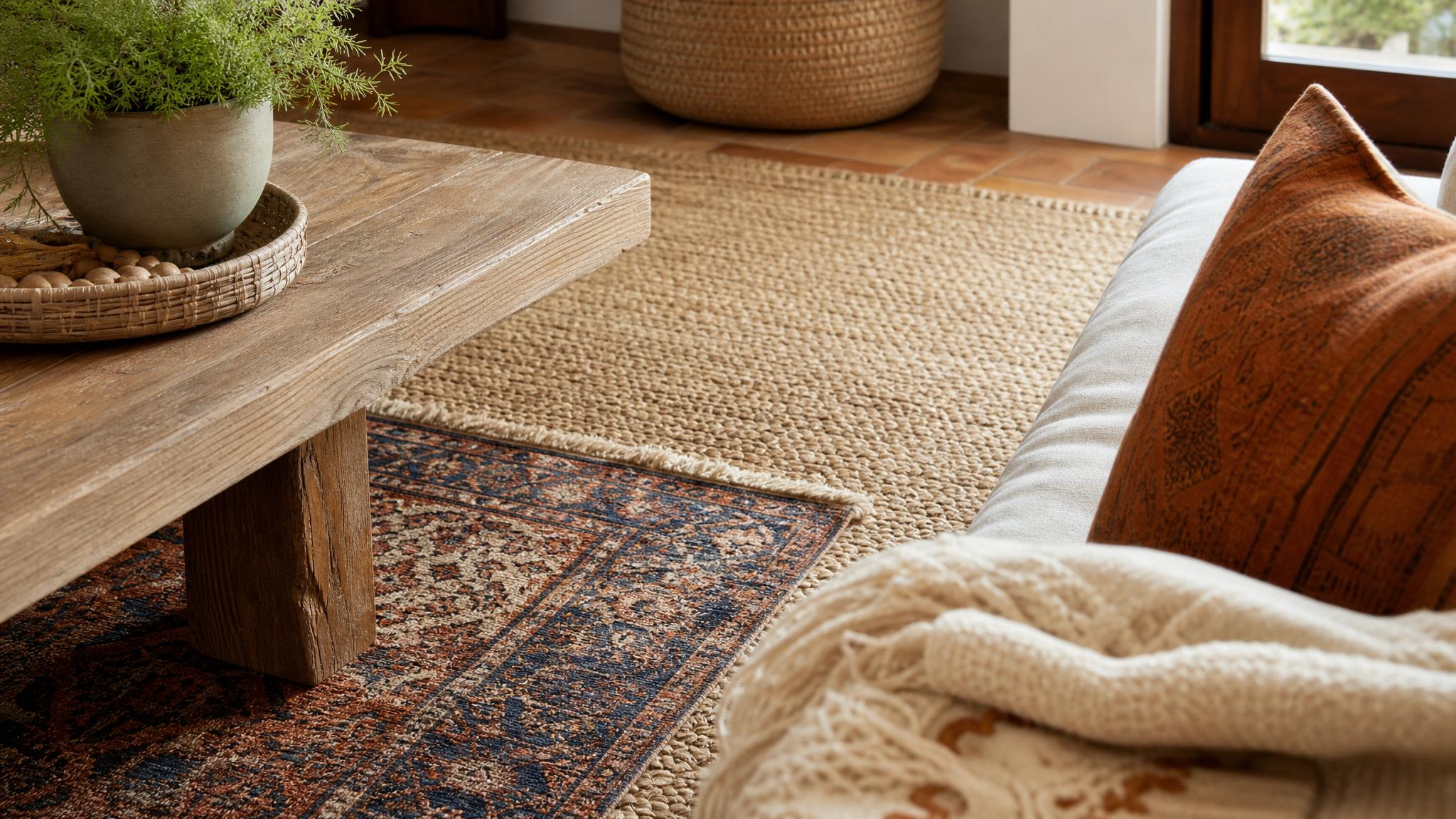
Layering Textures: Create Depth
Layering different textures is essential in Mediterranean design. Consider plush rugs, soft linens, and natural wood. Use a comfortable area rug to anchor the space, and mix in various fabrics to add depth and warmth.
Natural Elements: Bringing the Outdoors In
Incorporate natural elements like potted plants, wooden furniture, and stone accents. These elements not only enhance the Mediterranean aesthetic but also offer a sense of tranquility that can help combat winter blues.
Focus on Lighting
Winter days can be darker, so maximize natural light by keeping windows clear and using light, airy window treatments. Additionally, employ warm ambient lighting with lamps and decorative fixtures to establish a cozy environment in the evenings.
Key takeaway
When staging a Mediterranean living room for winter, prioritize warmth and comfort by utilizing rich colors, diverse textures, and natural elements.
Accessorizing: Final Touches Matter
Your final touches can drastically change the vibe of your living room. Consider vibrant artwork that reflects Mediterranean culture, and add decorative bowls made from natural materials like ceramic or stone. Pillows with intricate patterns or throws made of soft wool can enhance the cozy feel.
Staging Tips: Make It Functional
Make sure the layout encourages conversation and relaxation. Position furniture to foster interaction and leave pathways clear. Sometimes the best staging means doing less – avoid overcrowding the space with decor.