Understanding Wabi-Sabi
Try Palette Immo AI Interior Styler
Transform empty rooms and listing photos with AI virtual staging and interior design. Get started in minutes.
Get startedWabi-sabi is a Japanese aesthetic philosophy that celebrates the beauty of imperfection, transience, and the natural world. Instead of aiming for a flawless space filled with modern, mass-produced furniture, it encourages embracing the unique and the aged, fostering a sense of authenticity and comfort in your living room.
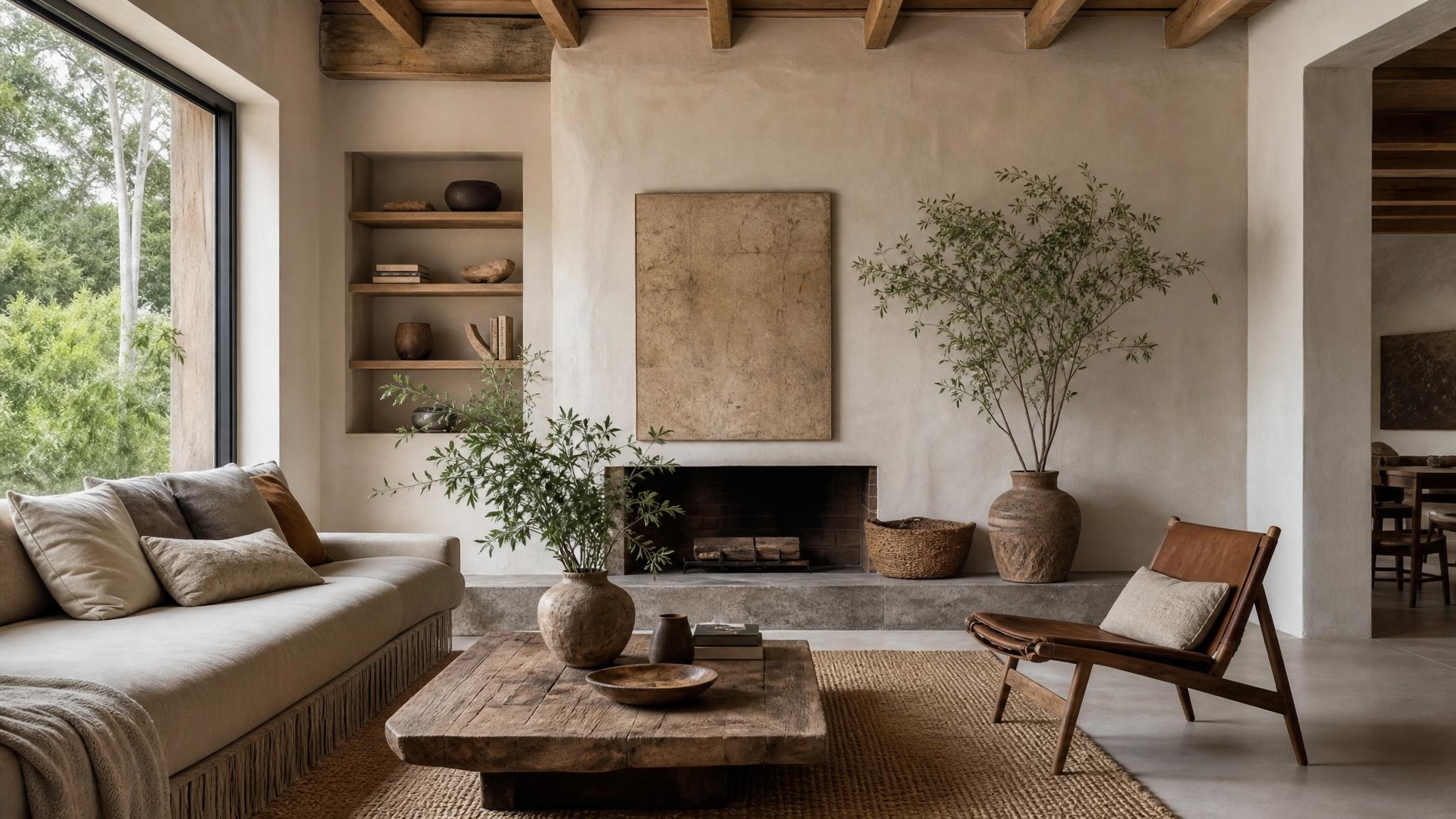
Key Elements of Wabi-Sabi Design
When incorporating wabi-sabi into your living room renovation, consider these key elements:
- Natural Materials: Use wood, stone, and organic textiles that show wear and age.
- Neutral Color Palette: Stick to earthy tones, soft whites, and subtle grays that complement the materials.
- Asymmetry: Emphasize balance in imperfection with asymmetrical furniture arrangements.
- Layering Textures: Combine different textures like rough wood, soft fabrics, and smooth ceramics for a warm, inviting feel.
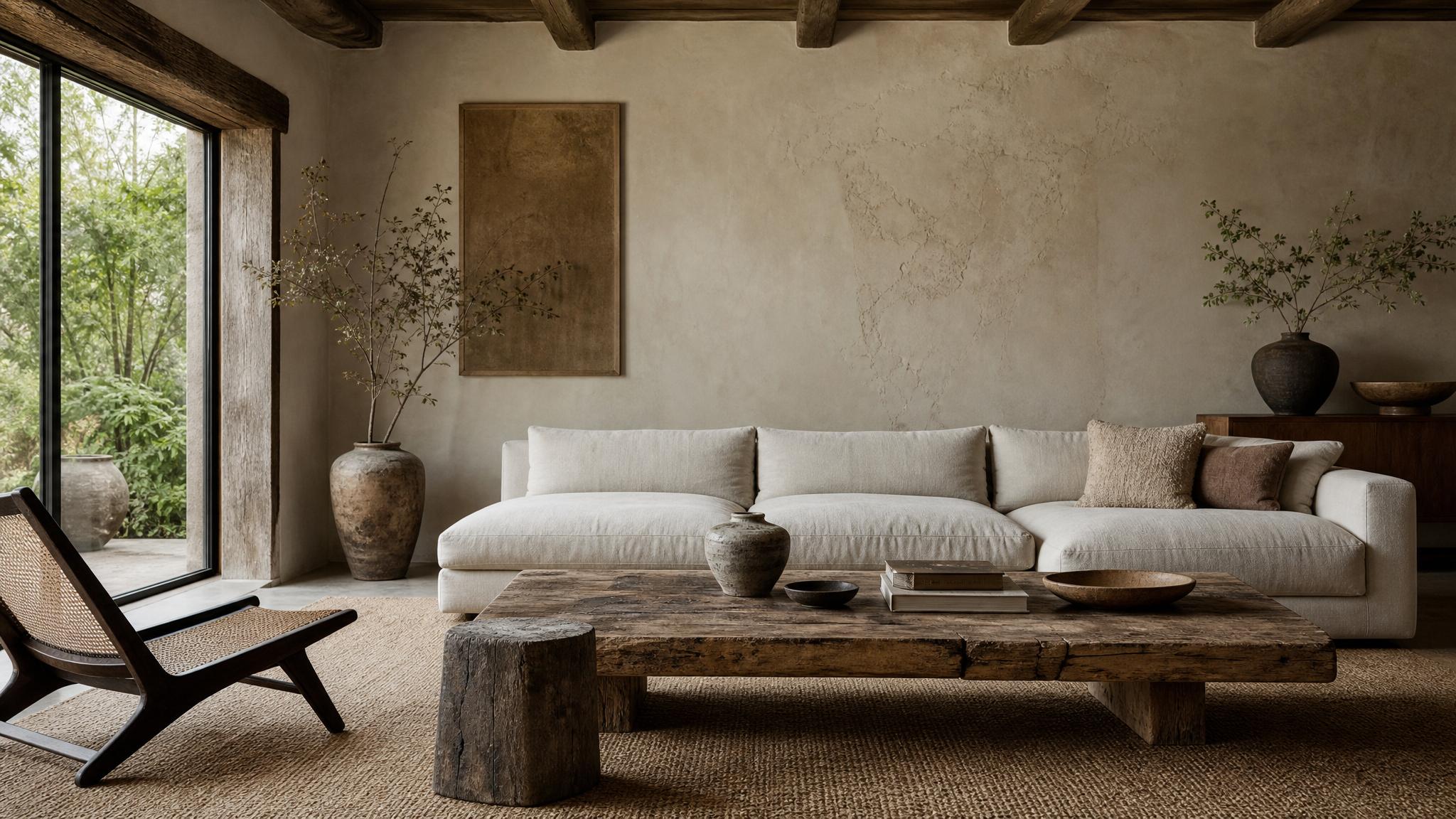
How to Achieve a Wabi-Sabi Living Room
Transforming your living room to embody wabi-sabi involves thoughtful choices in decor and design:
- Start with the Walls: Consider using clay plaster or even Japanese tatami matting for natural wall texture.
- Choose the Right Furniture: Look for second-hand or vintage furniture that has unique character.
- Incorporate Nature: Procure plants, driftwood, or stones to establish a connection with the outdoors.
- Mindful Decor: Utilize handmade pottery or art that represents the beauty of imperfection and simplicity.
Color Schemes for Wabi-Sabi
Color choices play a crucial role in achieving a wabi-sabi atmosphere. Consider these color schemes:
- Monochromatic Palette: Use varying shades of a single color for a serene look.
- Nature-Inspired Hues: Incorporate muted greens, browns, and soft blues to reflect the elements.
- Accents: Use occasional splashes of color from organic materials, like terracotta pots or colorful textiles, to bring life.
Key takeaway
Wabi-sabi transcends design; it's about creating a space that tells a story through its imperfections and honors the natural world. This philosophy can lead to a timeless, uniquely personal living room.
Furniture Choices for Wabi-Sabi
Selecting furniture that respects the wabi-sabi principle is vital:
- Reclaimed Wood: Tables and shelves made from reclaimed wood add character.
- Handcrafted Pieces: Invest in artisanal furniture that showcases craftsmanship.
- Second-Hand Finds: Antique pieces can resonate with history and charm, contributing to the overall aesthetic.