Understanding Wabi-Sabi
Try Palette Immo AI Interior Styler
Transform empty rooms and listing photos with AI virtual staging and interior design. Get started in minutes.
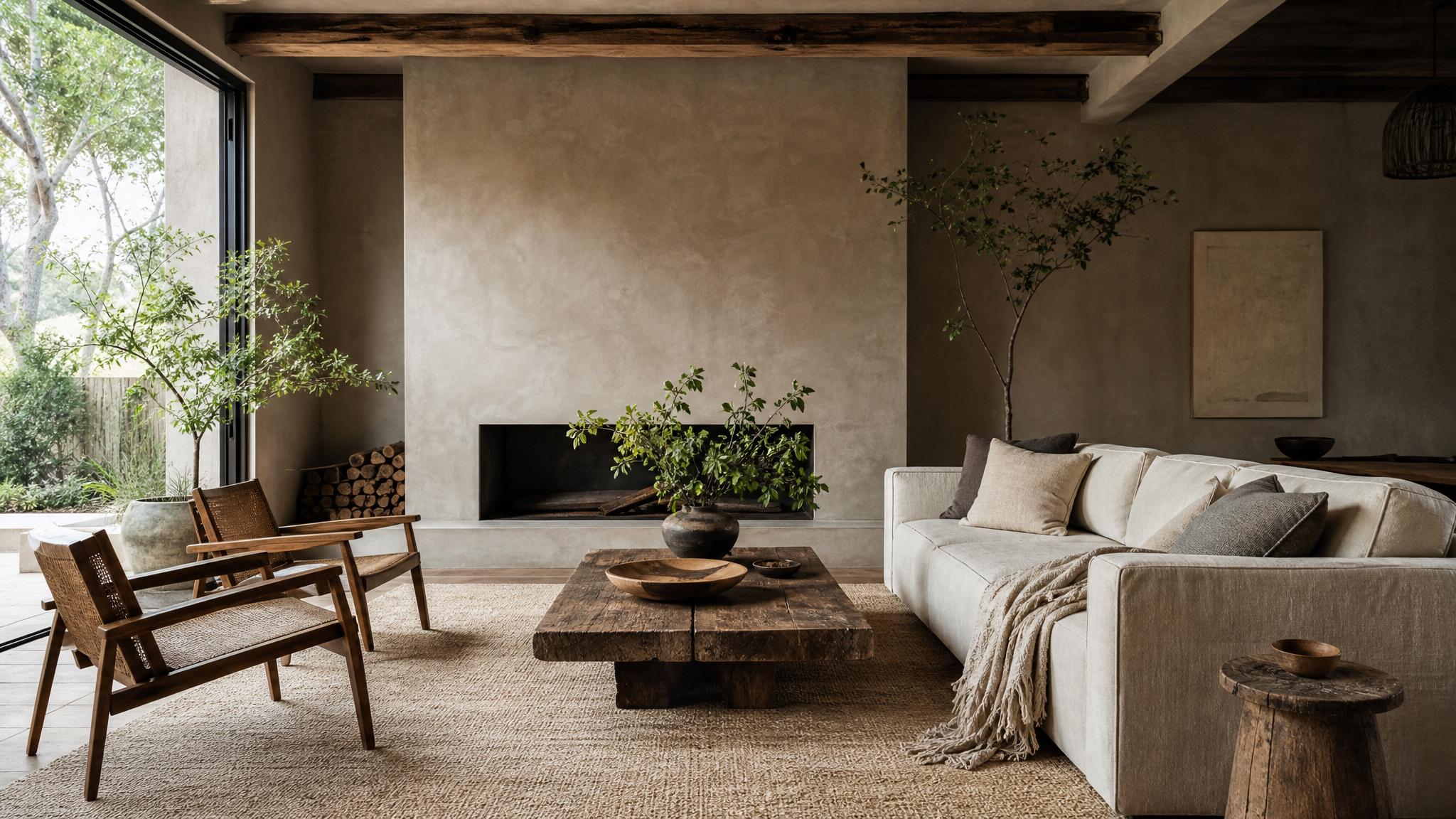
Get startedWabi-sabi is a Japanese aesthetic philosophy that finds beauty in imperfection and transience. It values the natural and organic forms that emerge over time and encourages harmony, simplicity, and balance in design. When applied to an open-plan living room, wabi-sabi can create a cozy, inviting atmosphere that celebrates authenticity.
Key Characteristics of Wabi-Sabi Design
To embody the wabi-sabi philosophy in your interior space, consider these key characteristics:
- Imperfect Beauty: Celebrate the unique imperfections found in natural materials.
- Earthy Color Palettes: Utilize muted, natural hues that evoke a sense of calm.
- Natural Textures: Incorporate raw, tactile elements like wood, stone, and textiles.
- Functional Decor: Choose pieces that are as much about functionality as aesthetics.
- Simplicity: Embrace minimalism by eliminating clutter and keeping decor purposeful.
20 Wabi-Sabi Accent Color Combinations
Here are 20 unique color combinations that perfectly embody the wabi-sabi aesthetic for your open-plan living room. Each palette is formulated to create a serene and inviting environment.
1. Soft Beige and Dusty Blue
This palette combines the warmth of soft beige with the tranquility of dusty blue, creating a calming atmosphere.
2. Slate Grey and Terracotta
Mix the grounded nature of slate grey with the earthy tone of terracotta for a balance that feels both modern and rustic.
3. Olive Green and Soft White
Olive green brings the essence of nature indoors, while soft white adds a touch of lightness.
4. Muted Gold and Charcoal
A pop of muted gold against charcoal can create a sophisticated yet relaxed look.
5. Warm Taupe and Soft Lavender
This gentle combination adds warmth and an inviting sense of calm.
6. Ocean Blue and Sandy Beige
Bring in the colors of the beach with ocean blue paired with sandy beige.
7. Milky White and Natural Wood
These complementary shades enhance the beauty of raw and unfinished wood textures.
8. Dusty Rose and Farmhouse Grey
A vintage touch with dusty rose against farmhouse grey can make a beautiful statement.
9. Forest Green and Soft Beige
Forest green exudes vitality while soft beige soothes the overall impression.
10. Rusty Orange and Cream
Add warmth and brightness with a blend of rusty orange and soft cream colors.
11. Mustard Yellow and Deep Blue
Mustard yellow invigorates, while deep blue anchors the palette.
12. Soft Black and Sage Green
This subtly striking combination gives a modern twist to a traditional wabi-sabi theme.
13. Light Bone and Coral
Light bone offers a sophisticated background for the vibrant touch of coral.
14. Ash Grey and Burnt Umber
Mature earth tones create a grounding environment perfect for relaxation.
15. Ivory and Deep Cinnamon
Ivory showcases softness while deep cinnamon brings in warmth.
16. Seafoam Green and Soft Peach
An airy combination that generates a very welcoming energy.
17. Plum and Warm Sand
Plum brings depth while warm sand complements with gentleness.
18. Cool Mint and Natural Brown
Mint adds freshness against the natural brown of wood tones.
19. Warm Grey and Soft Pink
Soft pink brightens the warmth of grey in a subtle, elegant way.
20. Cream and Dusty Purple
Lastly, cream pairs beautifully with a muted purple for a romantic touch.
Pro Tip: Incorporating Textures
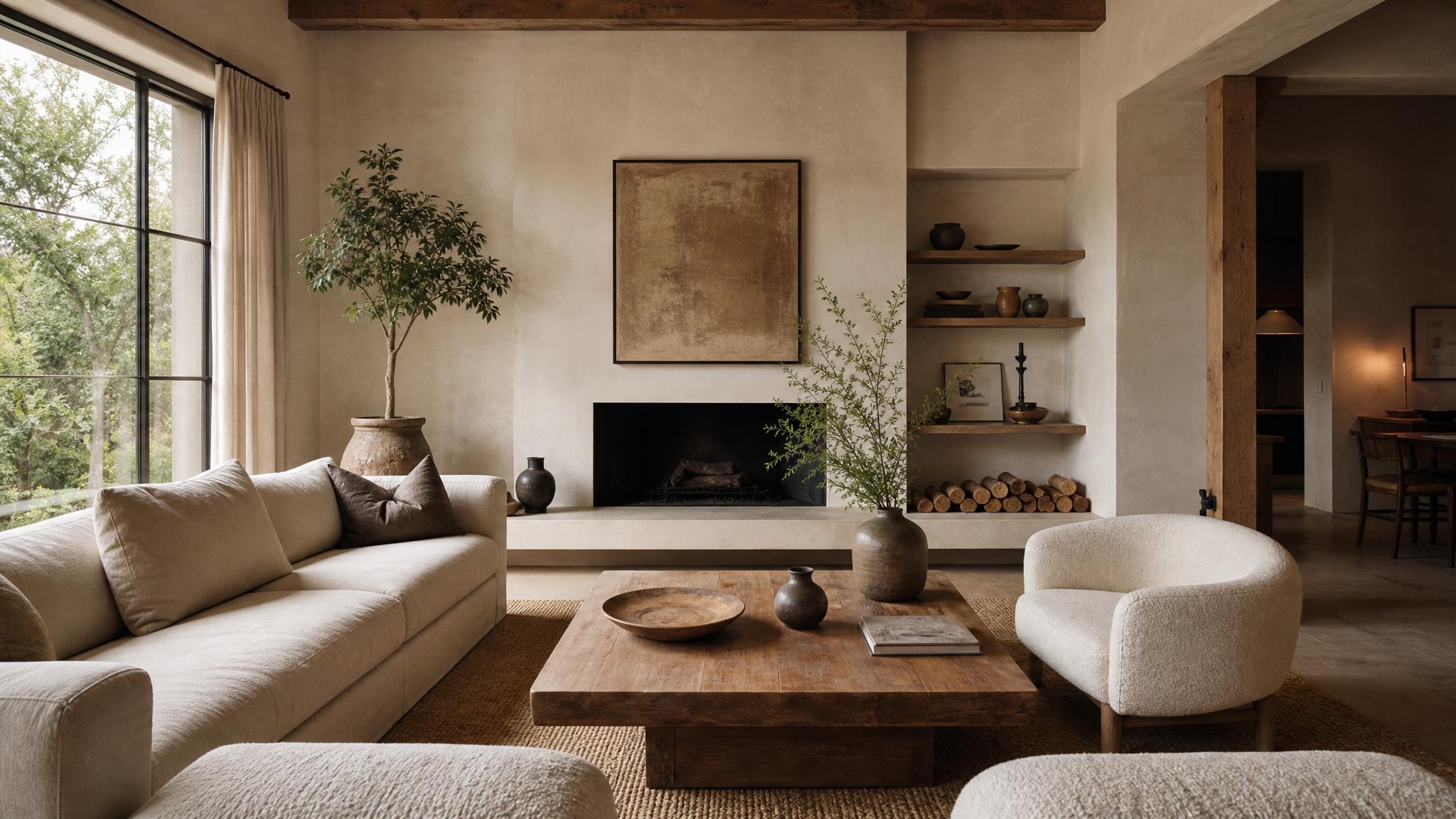
When choosing your wabi-sabi color palette, textures play a crucial role. Mix different materials like rough-hewn woods, soft textiles, and natural stones. Layering these textures adds depth to your space and enhances the overall aesthetic. Don't hesitate to include handmade or vintage items that tell a story and reflect the passage of time.
Final Thoughts
Creating a wabi-sabi accent palette for your open-plan living room is an enriching experience that invites both tranquility and character into your home. Each combination can inspire a unique look while embracing the beauty of imperfection.
Key takeaway
Wabi-sabi is not just a design style; it's a philosophy that celebrates the beauty of imperfection and the natural passage of time. Let this guide your choices in color and texture.