The Role of Psychology in Interior Design
Try Palette Immo AI Interior Styler
Transform empty rooms and listing photos with AI virtual staging and interior design. Get started in minutes.
Get startedInterior design is not just about aesthetics; it plays a crucial role in how potential buyers perceive a space. Understanding the psychology behind design choices can significantly influence how buyers feel about a property. When selling a house, the aim should be to create an environment that resonates emotionally with buyers.
Emotional Connections
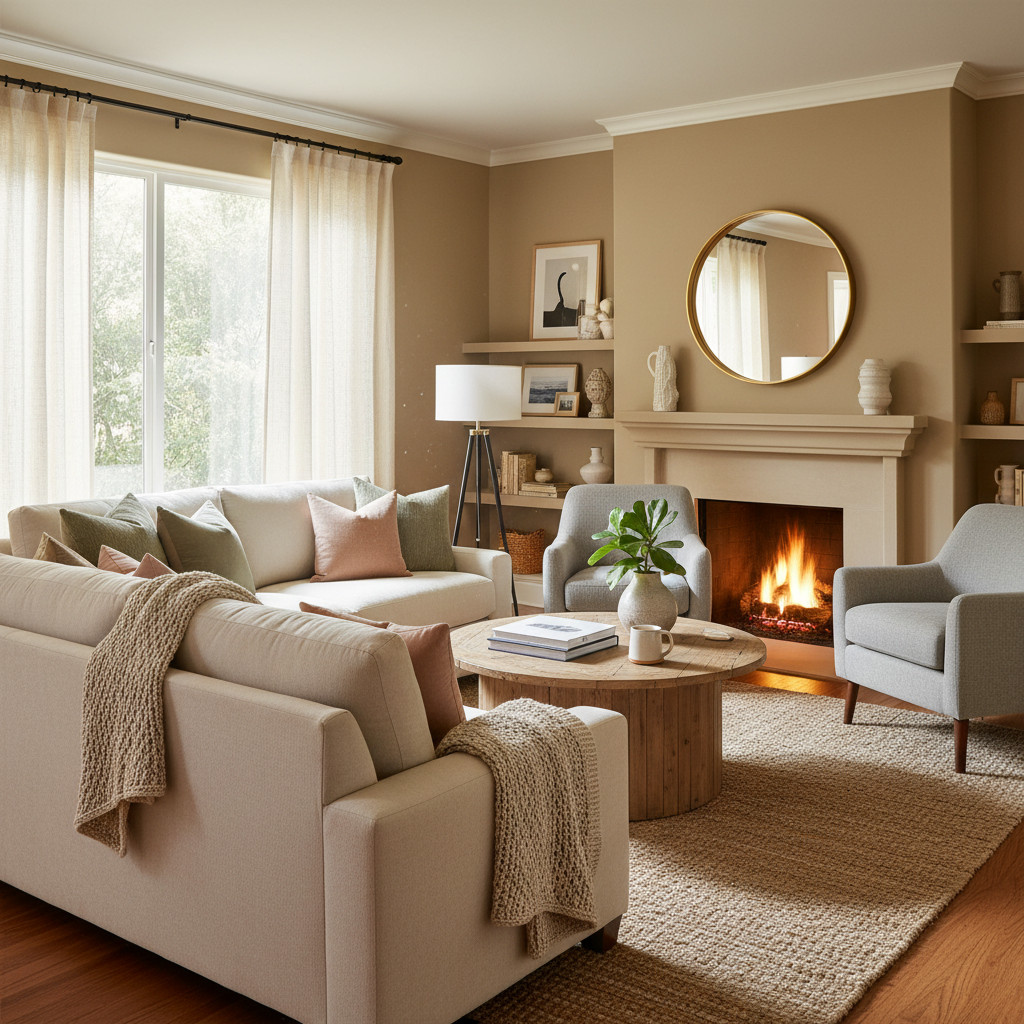
Emotions drive decision-making, especially in real estate. A well-staged home can evoke feelings of comfort, security, and happiness, persuading buyers to envision their lives within that space. Warm colors, inviting furniture, and appropriate decor can make rooms feel larger and more comfortable, enticing potential buyers to linger longer in the home.
Color Psychology: Choosing the Right Palette
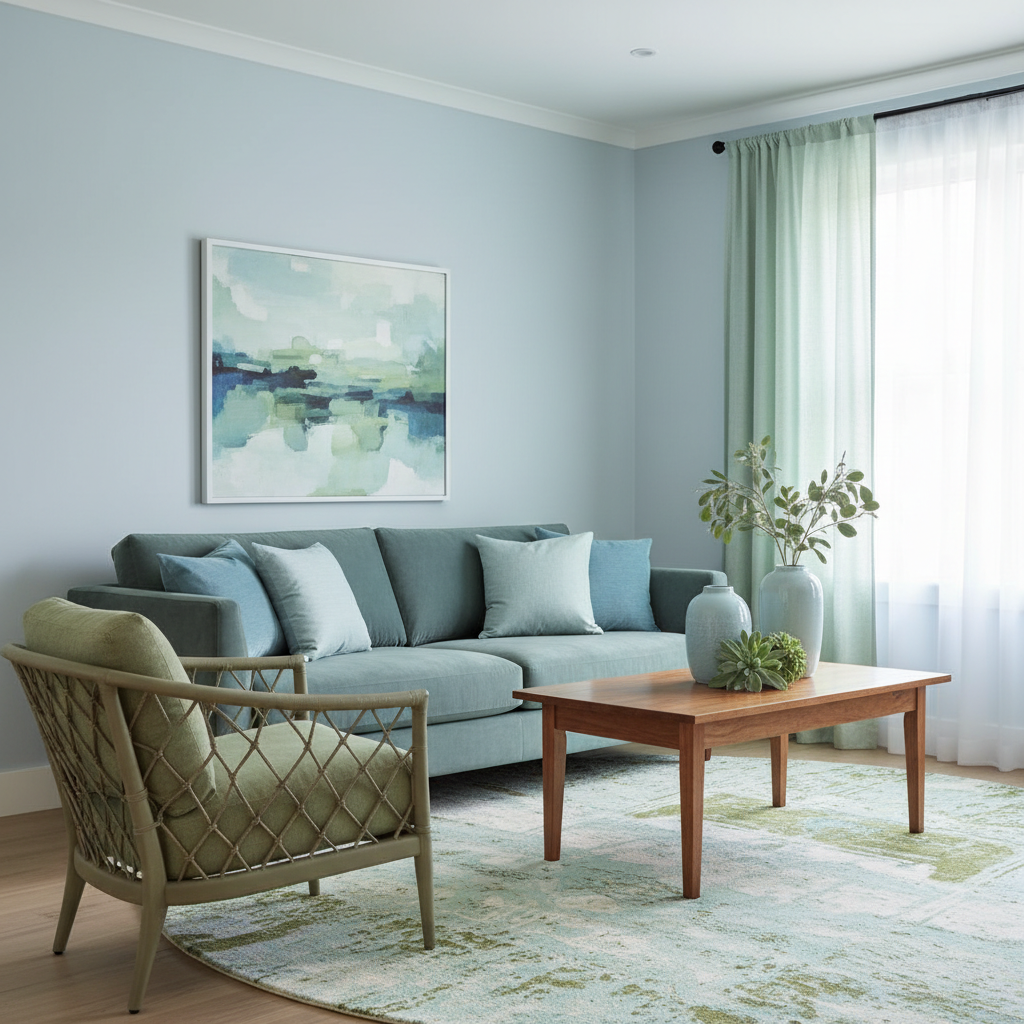
Color choices can heavily influence mood and perception. For instance, soft blues and greens are soothing and can create a sense of calmness, whereas yellows are cheerful and encouraging. Understanding color psychology can help sellers select paint and decor that create the desired atmosphere. Before choosing a color palette, consider the emotions you want to evoke in buyers.
Neutral vs. Bold Colors
While neutrals provide a blank canvas that allows buyers to envision their style, bold colors can create focal points and draw attention. Finding the right balance is critical: too many bold colors can be overwhelming, while too many neutrals may feel lifeless. Aim for a thoughtful mix that accentuates the space.
Furniture Layout: Flow and Functionality
The way furniture is arranged affects how buyers perceive the functionality and flow of a space. A well-thought-out layout allows for easy movement and highlights the usability of each room. Aim to create cozy, conversational areas in living spaces, and ensure that you aren’t crowding rooms with too much furniture.
Highlighting Key Features
When staging a home, it’s essential to highlight the property’s best features. Use furniture and decor to draw attention to architectural details, views, or unique selling propositions of the home. This helps buyers connect with the space on a deeper level, making it more memorable.
Creating a Sense of Size
Buyers are often concerned about space. Proper staging can help to create an illusion of larger spaces. For instance, utilizing mirrors can reflect light and create depth. Ensuring that windows are unobstructed brings in natural light, making areas feel more open and inviting.
Key takeaway
Understand your target market's emotional triggers and cater your interior design to evoke those feelings. The right design can make a significant difference in how quickly a house sells and for how much.
Final Considerations in Selling Your Home
Ultimately, the aim of interior design in real estate is to create an inviting space that potential buyers can easily envision themselves living in. Consider using tools like virtual staging to showcase your home’s best attributes without the added cost of physical staging.
Conclusion
The psychology of interior design plays a pivotal role in selling a home. By understanding how colors, layouts, and emotional connections affect buyer perceptions, you can create a space that not only looks appealing but feels like a home. Utilize these design principles to increase your property’s attractiveness and marketability.