Understanding Scandinavian Interior Design
Try Palette Immo AI Interior Styler
Transform empty rooms and listing photos with AI virtual staging and interior design. Get started in minutes.
Get startedScandinavian interior design is characterized by its simplicity, minimalism, and functionality, coupled with a warm and inviting atmosphere. This style emphasizes natural light, and the use of simple shapes and natural materials. Often, Scandinavian design features a neutral palette with pops of color, cozy textiles, and a focus on creating a space that feels lived-in and welcoming.
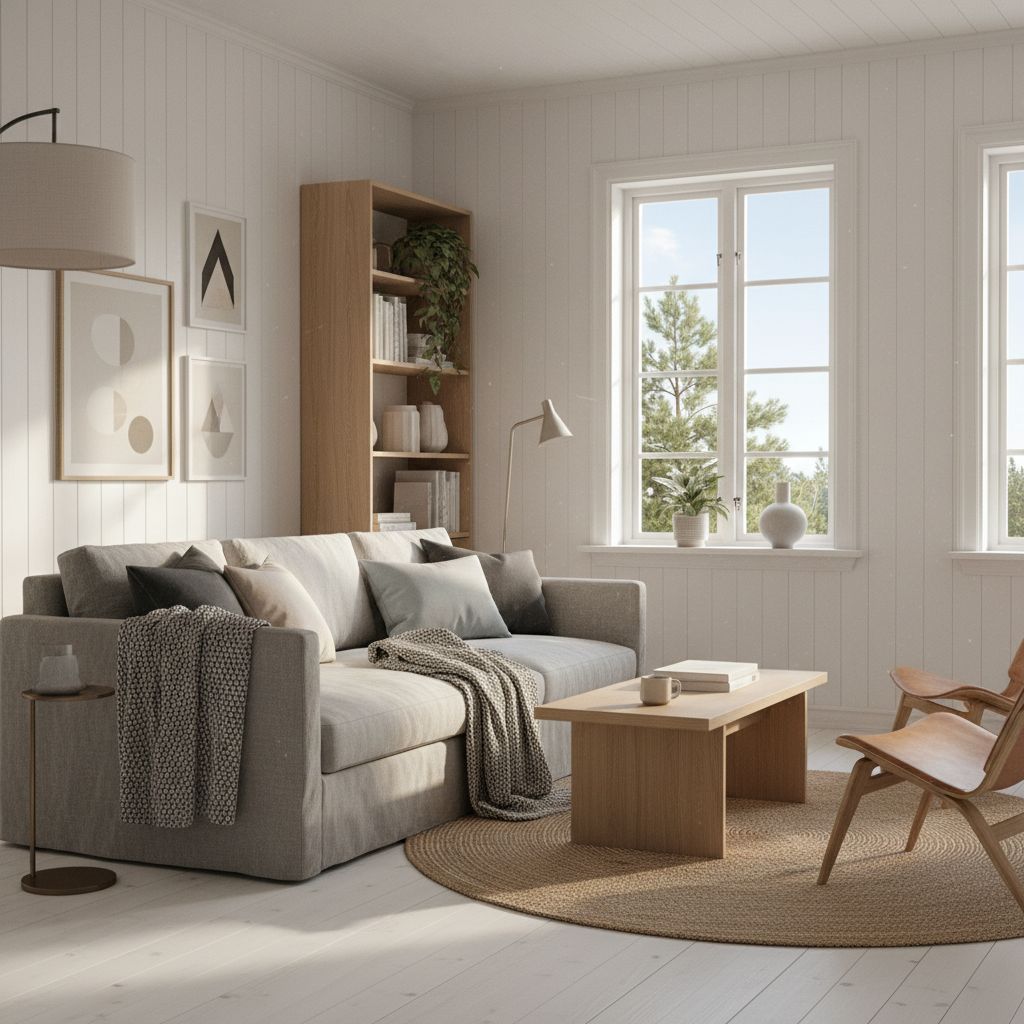
Delving into Minimalist Interior Design
Minimalist interior design strips everything back to its essentials, focusing solely on functionality and clean lines. Unlike Scandinavian design, which incorporates warmth and texture, minimalism is grounded in a 'less is more' philosophy. The color palette tends to be monochromatic, with an absence of elaborate decoration or clutter, allowing the few essential pieces to stand out.
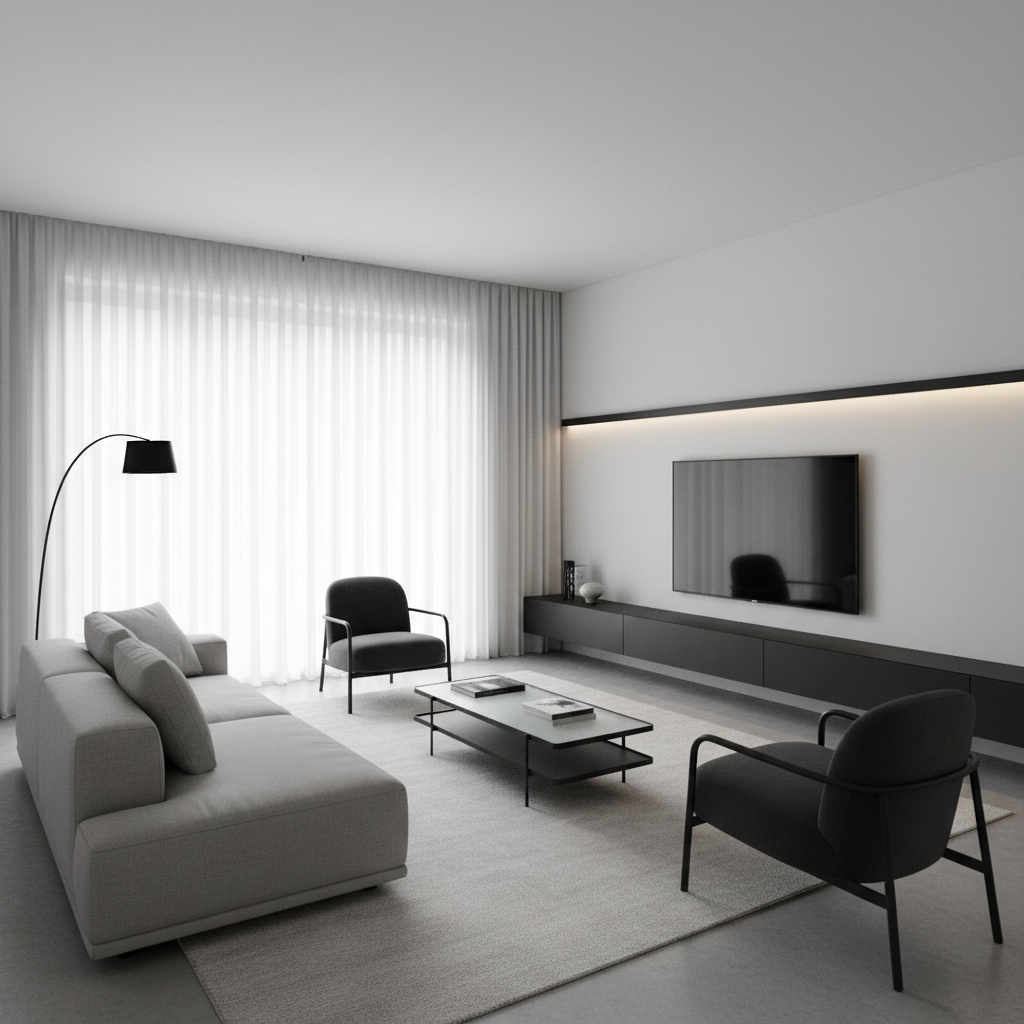
Key Differences Between Scandinavian and Minimalist
While Scandinavian and Minimalist designs share some similarities, their approaches to aesthetics and comfort vary greatly. Here are a few key differences:
- Color Palette: Scandinavian interiors often incorporate muted colors with vibrant accents, whereas minimalist designs typically use a more monochromatic scheme.
- Textures: Scandinavian design heavily embraces textures through textiles and layers, while minimalist spaces prefer smooth surfaces and simple, clean lines.
- Warmth: Scandinavian spaces aim for a cozy feel, focusing on creating a homely atmosphere, while minimalist designs prioritize starkness and simplicity.
- Purpose: The purpose of Scandinavian design is comfort and livability, while minimalist design centers around function and stark beauty.
How to Achieve Each Style
If you’re considering either design style for your home, here are some tips on how to achieve each:
Creating a Scandinavian Space
- Incorporate wooden elements, like furniture and flooring, to enhance warmth.
- Use layered textiles such as throws and cushions for added comfort.
- Include houseplants to bring life into the space.
- Emphasize natural light by using sheer curtains or light-filtering shades.
Establishing a Minimalist Space
- Opt for furniture with clean lines and shapes, avoiding ornate designs.
- Keep decor to a minimum; choose a few statement pieces rather than cluttering surfaces.
- Stick to a neutral color palette, using varying shades to add depth without overwhelming the space.
- Focus on storage solutions that maintain the uncluttered aesthetic.
Key takeaway
Understanding the fundamental differences between Scandinavian and Minimalist interior designs can help guide your choices in decoration, ultimately reflecting your personal style and preferences while enhancing the functionality of your space.
Conclusion: Choosing the Right Style for You
Ultimately, the choice between Scandinavian and Minimalist interior design should align with your lifestyle and aesthetic preferences. If you value warmth and comfort, Scandinavian design may suit you better. Conversely, if you prefer simplicity and functionality, Minimalism could be your go-to. We encourage you to experiment with elements from both styles to create a unique space that reflects your personality and provides a welcoming atmosphere.