Introduction
Try Palette Immo AI Interior Styler
Transform empty rooms and listing photos with AI virtual staging and interior design. Get started in minutes.
Get startedThe real estate industry is constantly evolving, influenced by social, technological, and economic changes. As we approach 2026, understanding the upcoming marketing trends is essential for agents and agencies looking to stay competitive. Let’s dive into the key trends that will define real estate marketing in the near future.
1. Enhanced Virtual and Augmented Reality
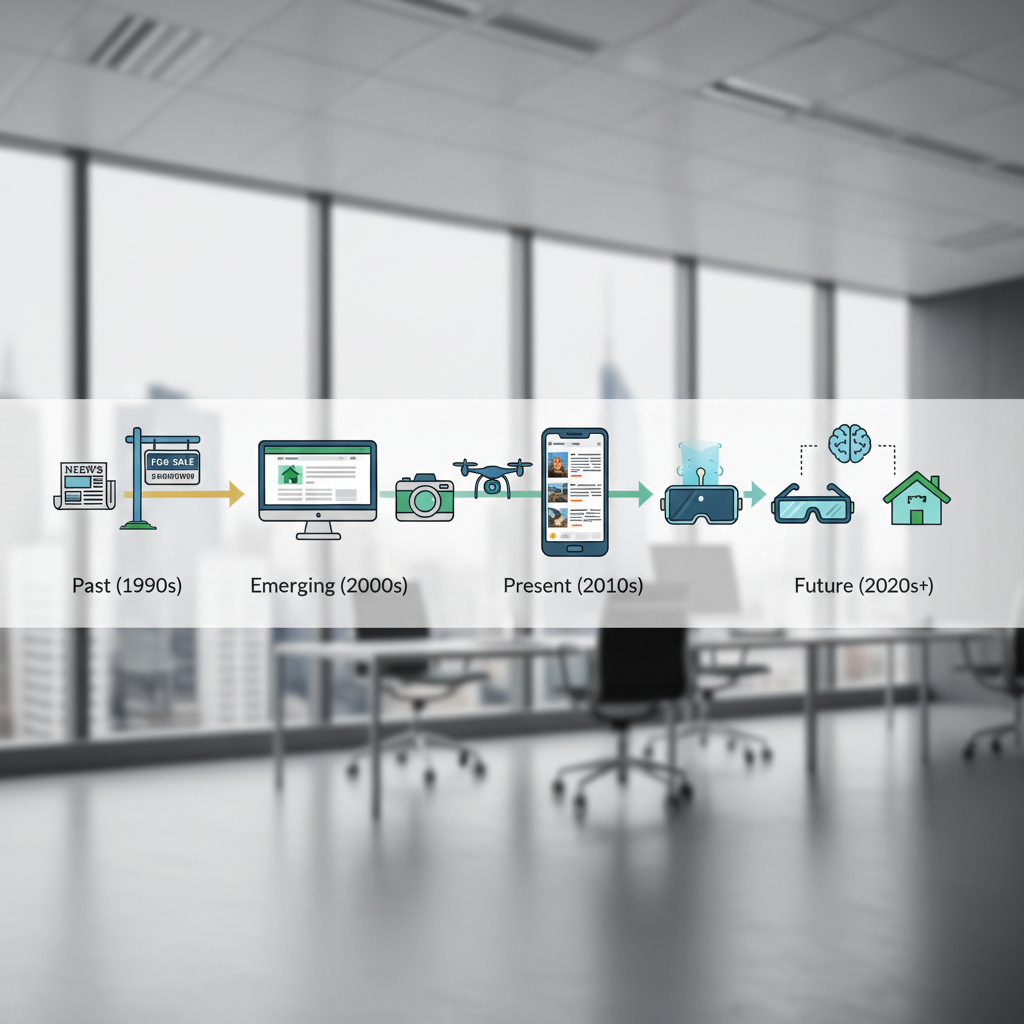
Virtual and augmented reality (VR and AR) are set to revolutionize property viewings. By 2026, we expect a significant increase in the integration of these technologies, enabling potential buyers to tour homes remotely. This trend not only saves time but also enhances the buying experience by providing immersive and realistic walkthroughs.
2. AI-Driven Personalization
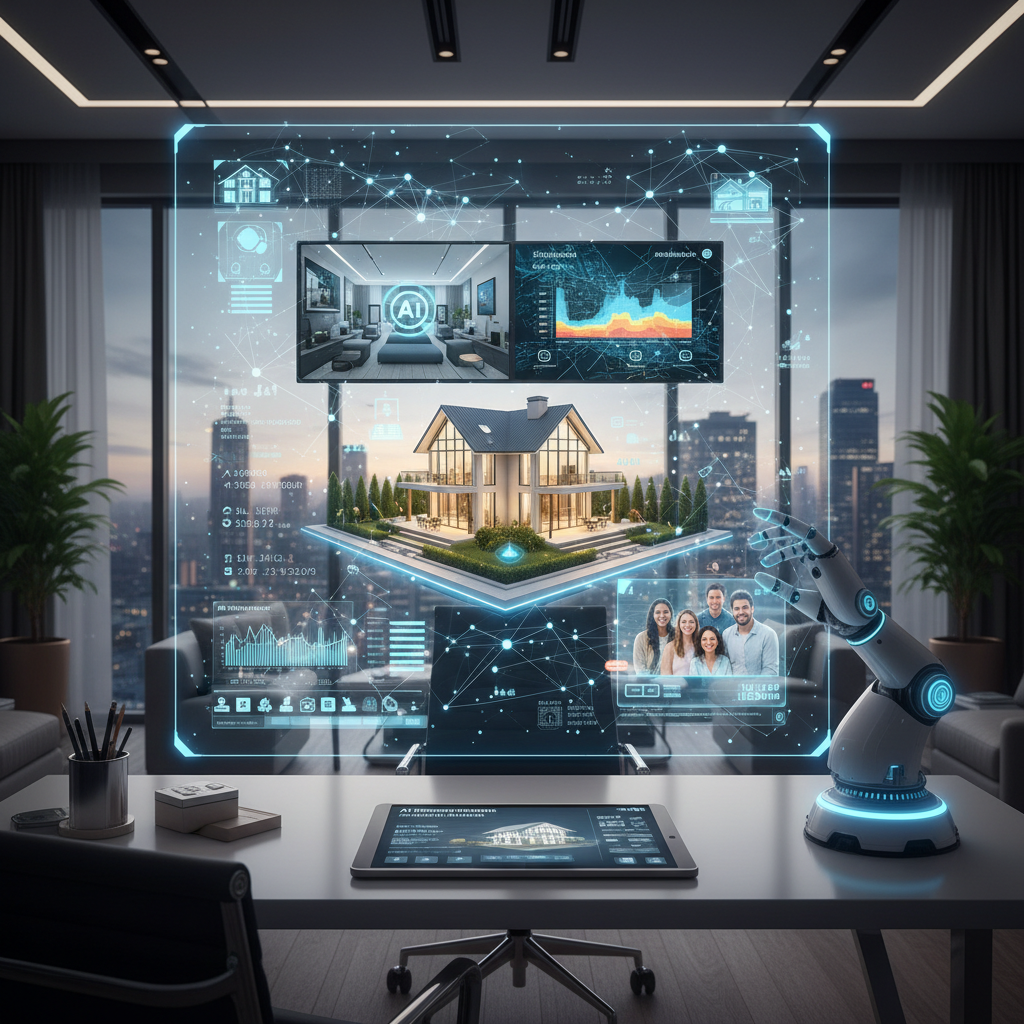
Artificial Intelligence (AI) will become increasingly important in real estate marketing. Through data analytics, agencies will be able to provide personalized property recommendations based on individual buyer preferences. This level of targeting not only improves user experience but can significantly increase conversion rates.
3. Increased Use of Social Media Advertising
Social media platforms will continue to dominate as a marketing channel. By 2026, expect more sophisticated advertising strategies utilizing video content and targeted ads. Platforms like Instagram and TikTok will be leveraged more than ever to reach a younger audience and showcase properties in engaging ways.
4. Sustainability and Eco-Friendly Messaging
As sustainability becomes more critical, real estate marketing will follow suit. Agencies will emphasize eco-friendly properties and sustainable building practices in their messaging. By highlighting green certifications and energy-efficient features, companies can appeal to environmentally conscious buyers.
5. Harnessing Blockchain for Transparency
Blockchain technology is emerging as a way to increase transparency in real estate transactions. By 2026, we expect greater acceptance of blockchain for recording property transactions and leases. This innovation could potentially streamline processes and enhance trust between buyers and sellers.
Key takeaway
Staying updated on the latest marketing trends is crucial for real estate professionals. Adopting new technologies and strategies will not only improve property sales but also enhance customer satisfaction and trust.
Conclusion
The future of real estate marketing is bright and full of exciting possibilities. Embracing these trends will not only help agencies stay competitive but also deliver a better experience for buyers. Keep an eye on these developments as we move toward 2026!