Introduction to Dining Room Photography
Try Palette Immo AI Interior Styler
Transform empty rooms and listing photos with AI virtual staging and interior design. Get started in minutes.
Get startedWhen selling a home, the first impression often comes from listing photos. Dining room shots, in particular, can make or break a prospective buyer's interest. Properly capturing this space can evoke emotions and convey the lifestyle that comes with living in the home. In this article, we will explore nine ways to improve your dining room photos, ensuring they stand out in the crowded real estate market.
1. Harness Natural Light
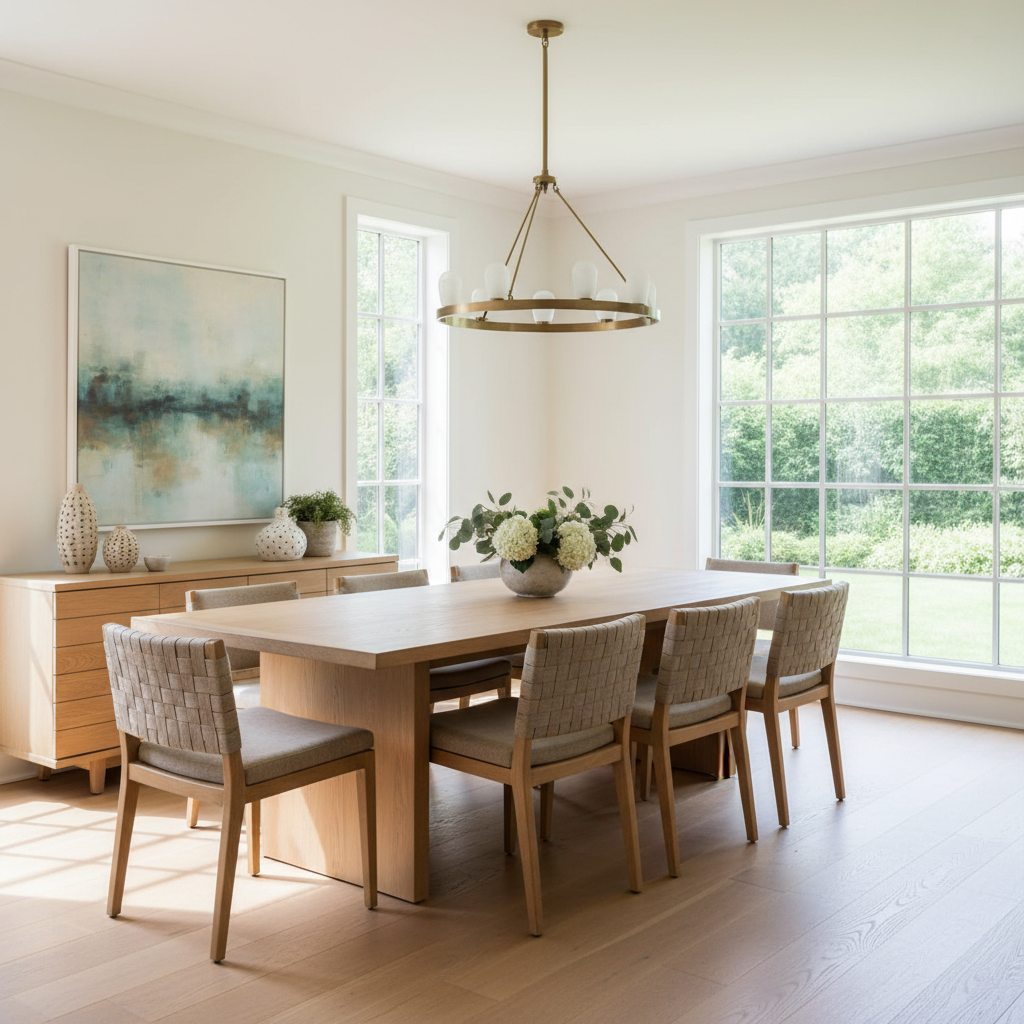
Lighting plays a crucial role in photography. Make the most out of natural light by scheduling your photoshoot during the day when the sun is shining. Avoid harsh noon light; instead, aim for soft morning or late afternoon light. Open curtains and consider adding light reflective surfaces to enhance brightness and warmth in your dining room.
2. Declutter the Space
Before taking photos, remove any unnecessary items from the dining table and surrounding areas. A clean, uncluttered space helps potential buyers visualize how they would use the dining area. Consider using minimalistic decor items to maintain visual interest without overwhelming the viewer.
3. Choose the Right Angles
Different angles can dramatically change the perception of a space. Stand in a corner to capture multiple aspects of the dining room simultaneously. Angles that showcase the flow into adjacent rooms can also provide context about the home's layout. Experiment with various perspectives until you find the most flattering shot.
4. Stage the Dining Room
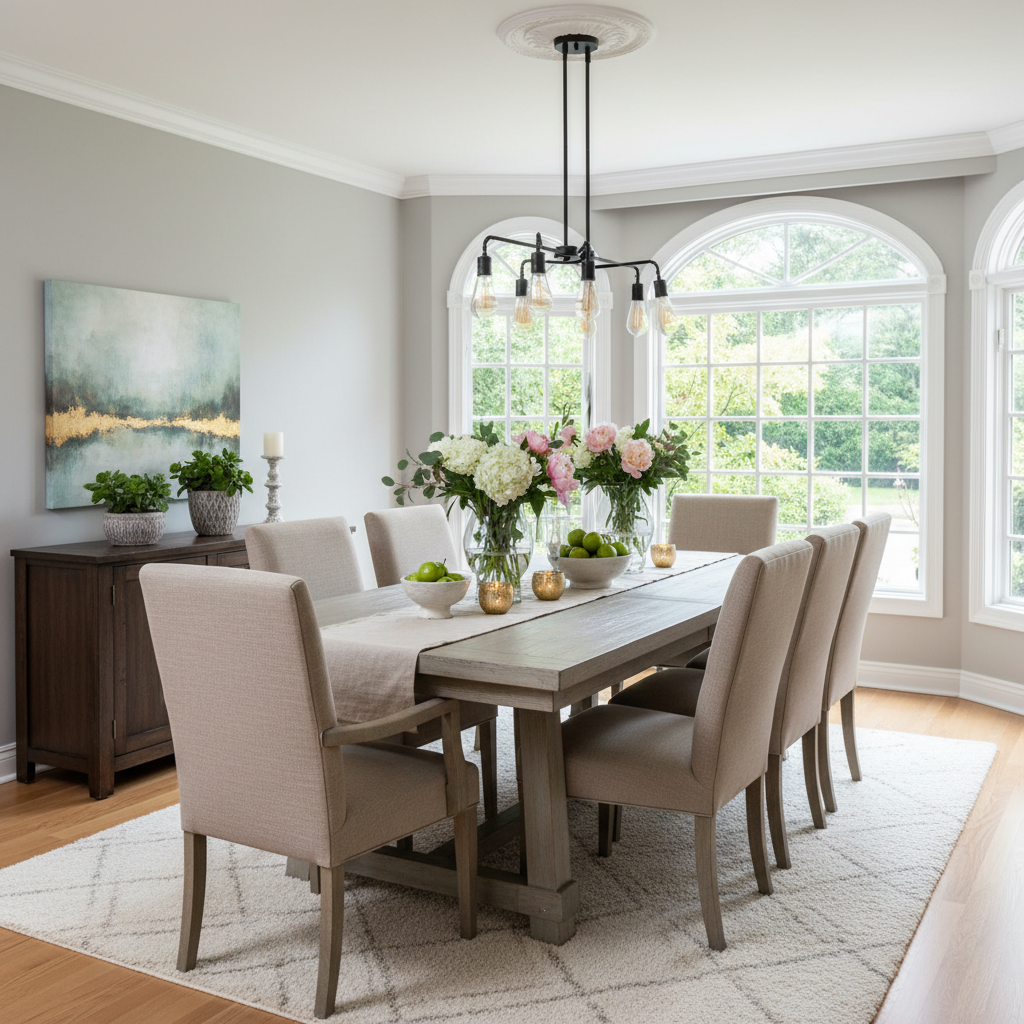
Staging is essential for presenting a dining room that feels inviting. Set the table with simple dinnerware and decorative centerpieces. Adding fresh flowers or fruit bowls can bring life to the photograph. Remember, the goal is to create an atmosphere where potential buyers can imagine themselves hosting family dinners or entertaining friends.
5. Utilize Virtual Staging Tools
Incorporating AI virtual staging tools, like Palette.immo, can enhance your dining room photos. These tools allow you to add furniture, decor, and even wall colors digitally, giving your images a polished appearance. It can be particularly effective for homes that are vacant or under renovation.
6. Focus on Detail Shots
Don’t forget about the details! Capture close-up photos of attractive features like unique light fixtures, textures on the walls, or beautiful table settings. These images can help tell the story of the dining room and give potential buyers a sense of its quality.
7. Edit for Perfection
Photo editing is a critical step in the photography process. Use editing software to enhance lighting and color balance. Crop out any distractions and ensure that the images are straight and properly aligned. A professional finish can make a significant difference in how your photos are perceived.
8. Use Wide-Angle Lenses
A wide-angle lens can make small dining rooms appear more spacious, highlighting the area’s potential. Ensure there’s enough distance from the wall to capture the full effect without distortion. However, be cautious not to overdo it; a too-wide lens can exaggerate dimensions and misrepresent the space.
9. Highlight Unique Features
If your dining room has unique architectural elements, such as a bay window, built-in cabinets, or exquisite moldings, be sure to showcase them in your photos. These features can add distinctiveness and character, making your listing more appealing.
Key takeaway
Great dining room photos require a combination of excellent lighting, careful staging, and effective editing. By focusing on these details, you can create a visual story that attracts potential buyers and sets your listing apart.