Understanding the Importance of Listing Photos
Try Palette Immo AI Interior Styler
Transform empty rooms and listing photos with AI virtual staging and interior design. Get started in minutes.
Get startedReal estate listings heavily rely on high-quality photos to attract buyers. In a competitive market, your images can make or break a sale, especially in smaller spaces where every detail counts. Small living rooms can often appear cramped or crowded in photos, but with the right techniques, you can create inviting images that showcase the room's potential.
1. Declutter the Space
Before snapping any photos, ensure the living room is free from clutter. Remove unnecessary furniture and items to help the space appear larger and more inviting.
2. Utilize Natural Light
Natural light is your best friend when photographing living rooms. Open blinds or curtains and take photos during the day when the light is abundant.
3. Choose the Right Angle
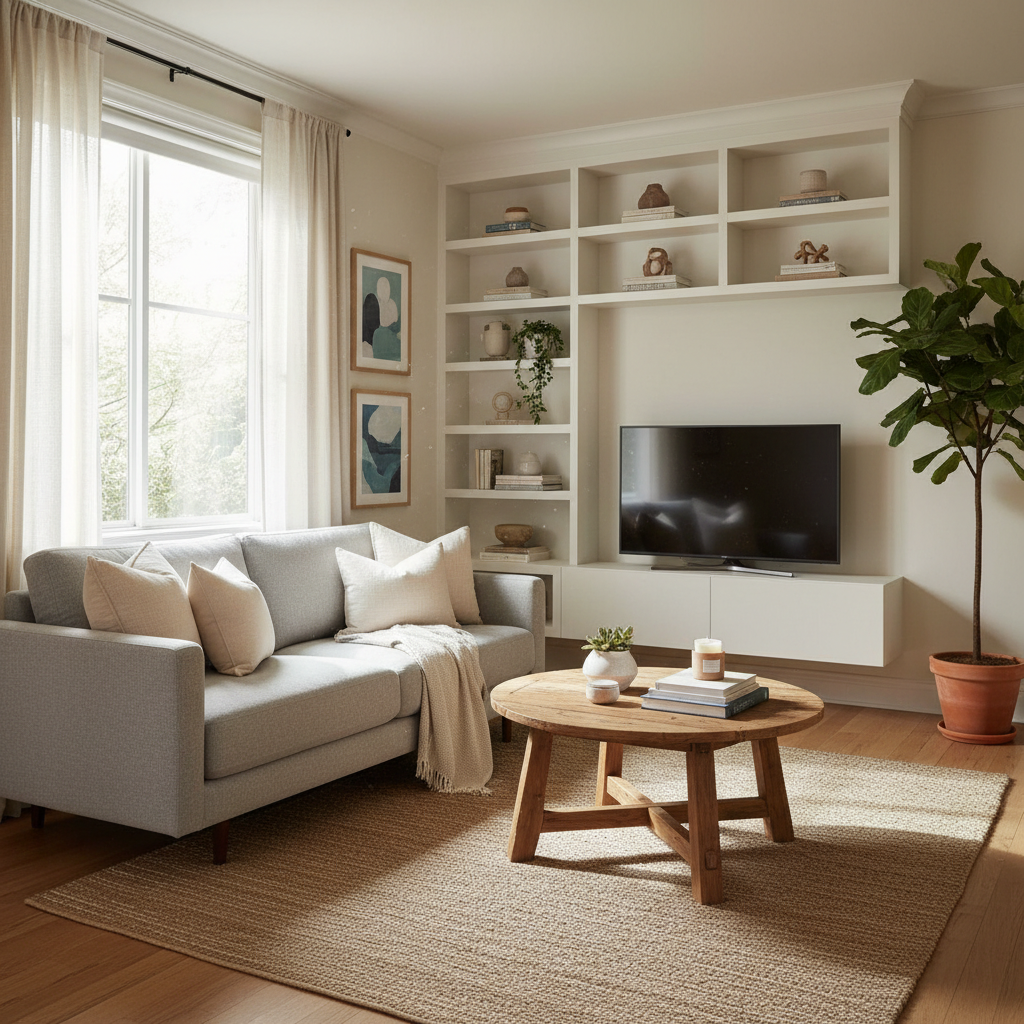
Experiment with various angles to capture the most flattering view of the room. Consider shooting from a corner or slightly elevated position to make the space appear larger.
4. Use a Wide-Angle Lens
A wide-angle lens can help you capture more of the living room in a single shot, making it feel more spacious and inviting.
5. Implement Smart Staging
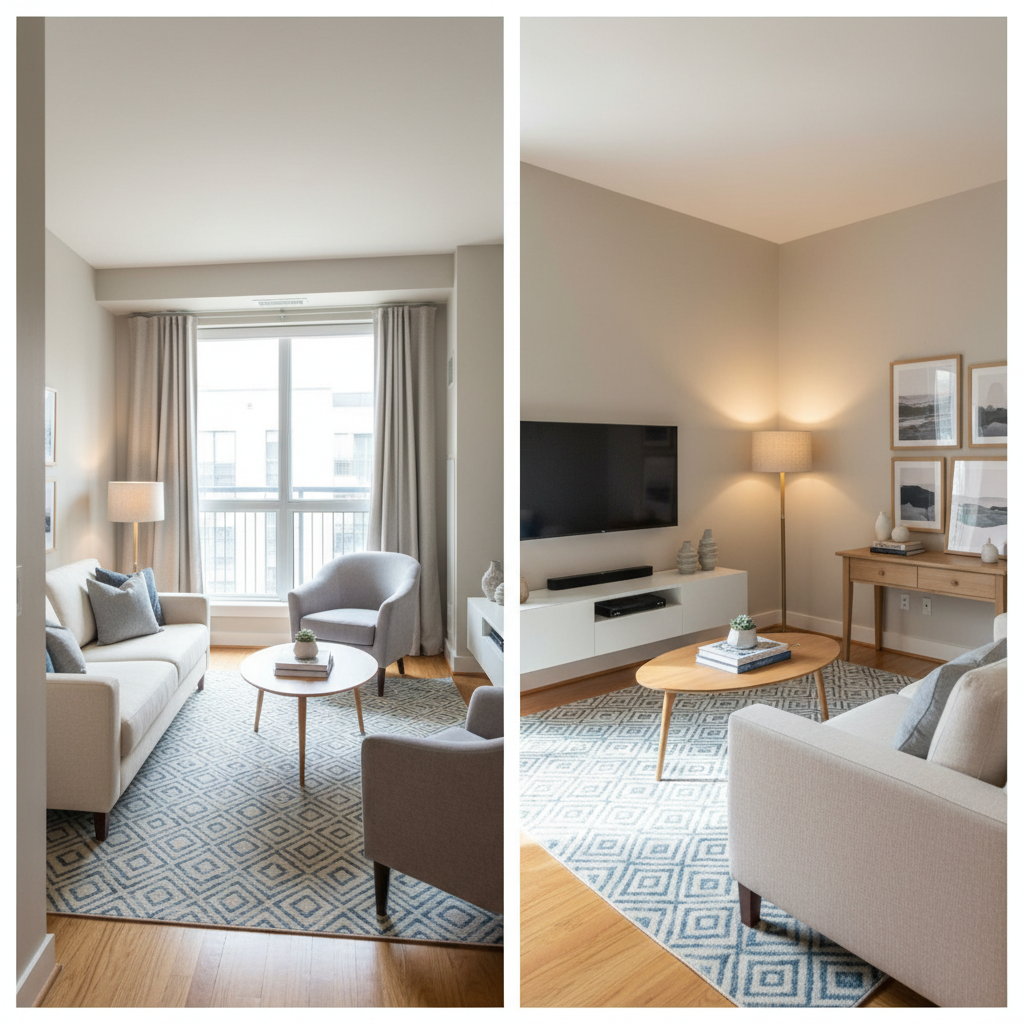
Use furniture and decor to highlight the room's best features. A strategically placed mirror can add depth, while the right color palette can enhance the room's ambiance.
6. Adjust the Lighting
In addition to natural light, consider using soft artificial lighting for evening shots. Avoid harsh overhead lights that can create unflattering shadows.
7. Highlight Key Features
If the living room has unique architectural details like crown molding or a fireplace, make sure to showcase these elements in your photos.
8. Color Balance
Ensure your images have the right color balance. Photos that are too warm or too cool can be unappealing. Edit your images to achieve a more natural look.
9. Incorporate Props
Consider using props to create an inviting atmosphere. A cozy throw blanket or a few decorative cushions can make the room feel more homely and appealing.
10. Take Advantage of Outside Views
If your living room has a view, incorporate it into your photos. Showcasing natural beauty can enhance the appeal of the space.
11. Experiment with Different Times of Day
Photographing at different times of day can yield varying results. Early mornings and late afternoons are ideal for warm, inviting tones.
12. Edit for Perfection
Post-processing is key to ensuring your images look professional. Use editing software to enhance lighting, contrast, and color saturation as necessary.
13. Avoid Fish Eye Distortion
While wide-angle lenses are great, be cautious of excessive distortion that can make walls appear curved. Maintain a balance between capturing more of the room and keeping it looking natural.
14. Limit Personalization
While it’s important to make your living room feel homey, too much personalization can deter potential buyers. Keep decor neutral and versatile.
15. Know Your Audience
Understand who your target market is and tailor your images accordingly. Families might prefer different highlights than young professionals or retirees.
Key takeaway
In photography for real estate, especially in small spaces, the goal is to evoke a sense of potential. High-quality images that present a living room as spacious, warm, and inviting can trigger emotional connections and entice potential buyers.
Conclusion
Implementing these tips can dramatically improve your small living room listing photos. Remember that great visuals can significantly increase interest and may lead to quicker sales.