Understanding Minimalist Design
Try Palette Immo AI Interior Styler
Transform empty rooms and listing photos with AI virtual staging and interior design. Get started in minutes.
Get startedMinimalist interior design emphasizes simplicity, functionality, and minimal ornamentation. The goal is to create spaces that breathe, focusing on essential elements. By stripping away the unnecessary, minimalist design allows for tranquility and practicality in home environments.
The Fundamentals of Minimalist Interior Design
There are core principles that define minimalist interior design:
- Functionality: Every piece of furniture must serve a purpose.
- Simplicity: Keep design elements uncomplicated and straightforward.
- Neutral Color Palette: Use whites, grays, and soft tones to create harmony.
- Declutter: Maintain open spaces and avoid overcrowding rooms.
Choosing the Right Color Scheme
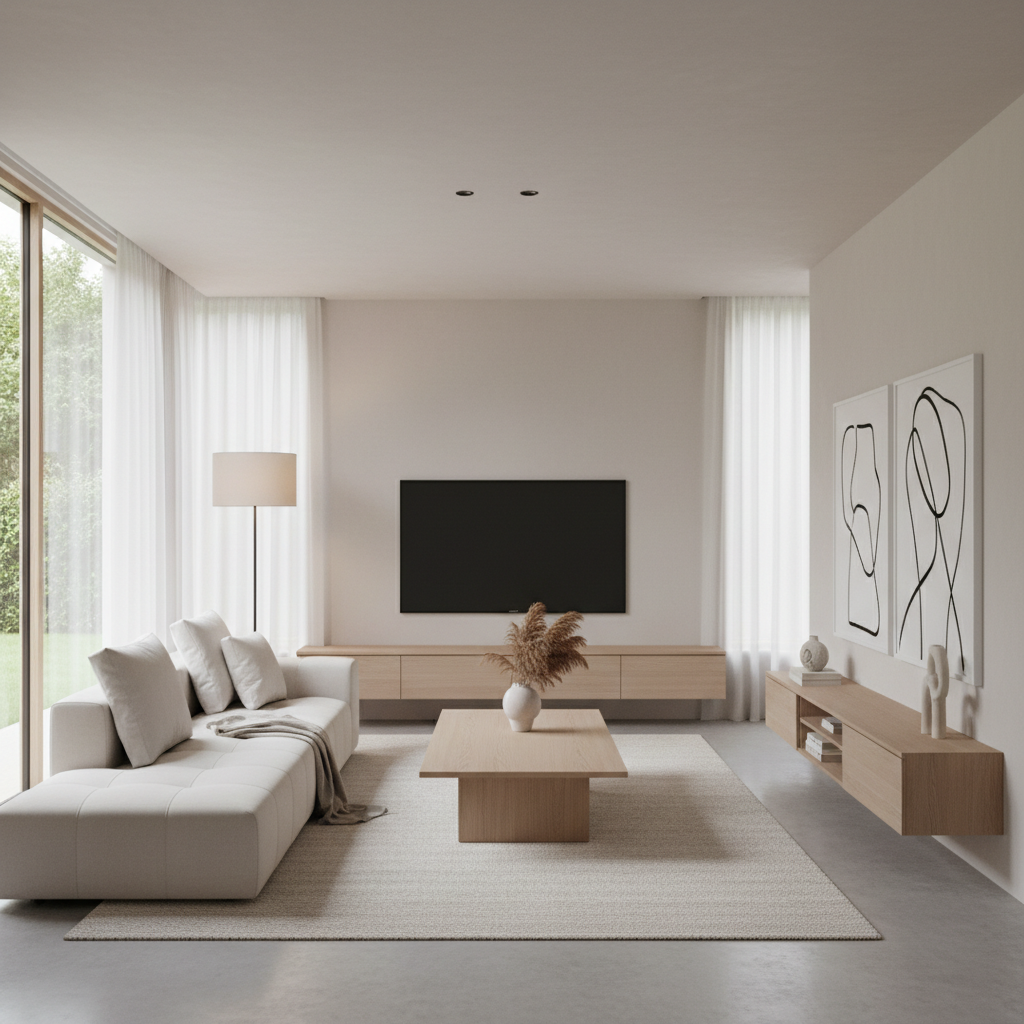
Color plays a vital role in minimalist interior design. A muted color palette enhances the feeling of spaciousness. Shades like white, beige, and soft pastels can create a serene atmosphere. Experiment with monochrome styles or subtle contrasts to add depth without compromising the minimalist aesthetic.
Furniture Selection for Minimalist Spaces
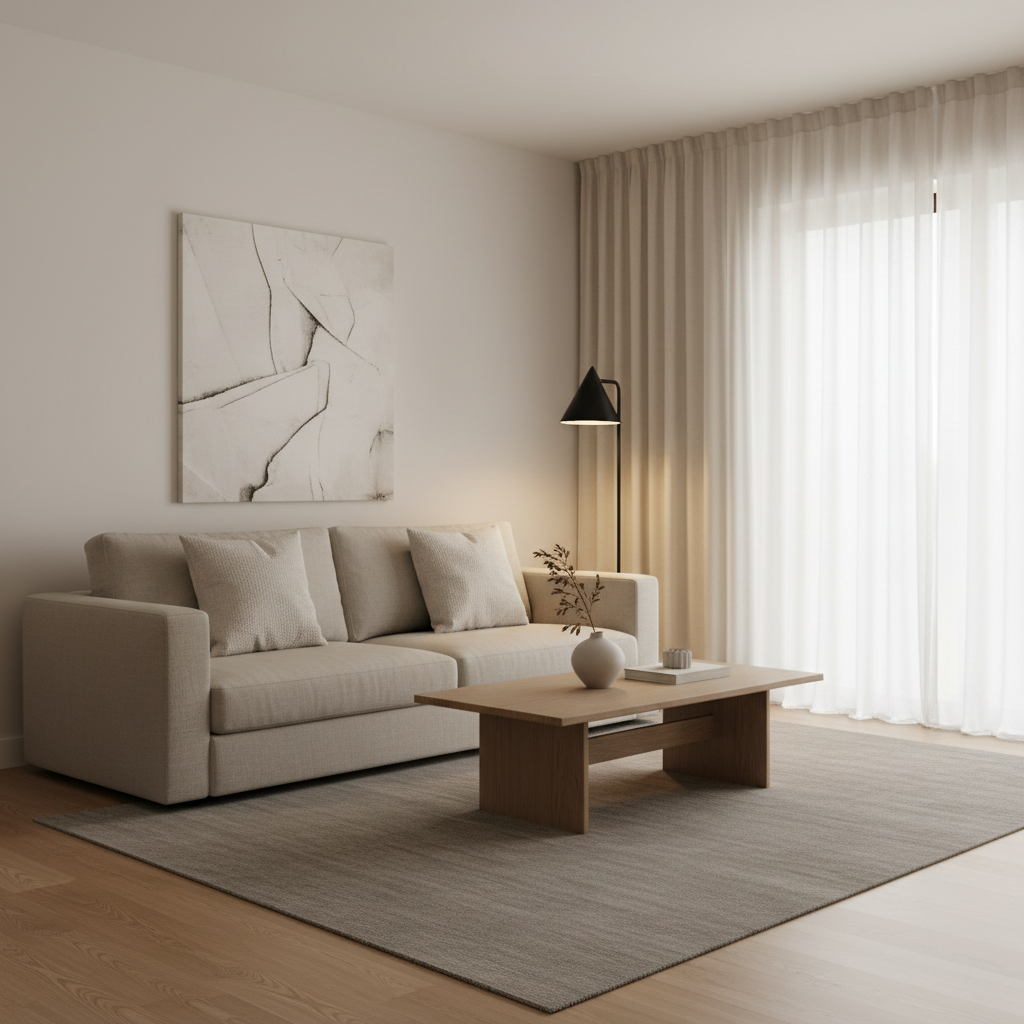
When selecting furniture for a minimalist design, opt for multifunctional pieces that offer utility with style. Look for clean lines, low profiles, and natural materials. Avoid overly ornate designs; stick to essential shapes and sizes to maintain open space.
Lighting and Accessories
Lighting is crucial in minimalist interiors. Choose simple, yet striking light fixtures that enhance the room’s character without dominating it. Additionally, incorporate a few carefully selected accessories, like a contemporary art piece or a houseplant, to introduce personality without cluttering.
Key takeaway
Minimalist design is about embracing simplicity and functionality. By selecting essential elements and maintaining clean lines, you can create a tranquil space that promotes well-being.
Incorporating Technology in Minimalist Design
Modern homes benefit from technology that complements minimalist ideals. Smart home devices can seamlessly integrate into your design without adding clutter. Opt for built-in solutions, like smart speakers or lighting systems, that can be easily hidden or controlled through your smartphone.
Conclusion: Achieving Minimalism in Your Home
Minimalist interior design is about more than aesthetics; it’s a lifestyle choice that promotes peace and clarity. By focusing on essential elements and creating organized, serene spaces, you can enhance your daily life. Start by assessing your current decor and eliminating excess to embrace minimalism at home.