Understanding Home Staging
Try Palette Immo AI Interior Styler
Transform empty rooms and listing photos with AI virtual staging and interior design. Get started in minutes.
Get startedHome staging involves preparing a property for sale in a way that showcases its best features and creates a welcoming atmosphere for potential buyers. It often includes rearranging furniture, decluttering spaces, and adding decorative elements that can turn a standard property into a desirable home.
The Impact of Home Staging on Property Value
Research shows that staging a home can lead to a higher sale price. According to the National Association of Realtors, staged homes sell for about 17% more on average compared to unstaged homes. This difference can often translate into thousands of dollars in increased value.
Why Do Buyers Respond to Staging?
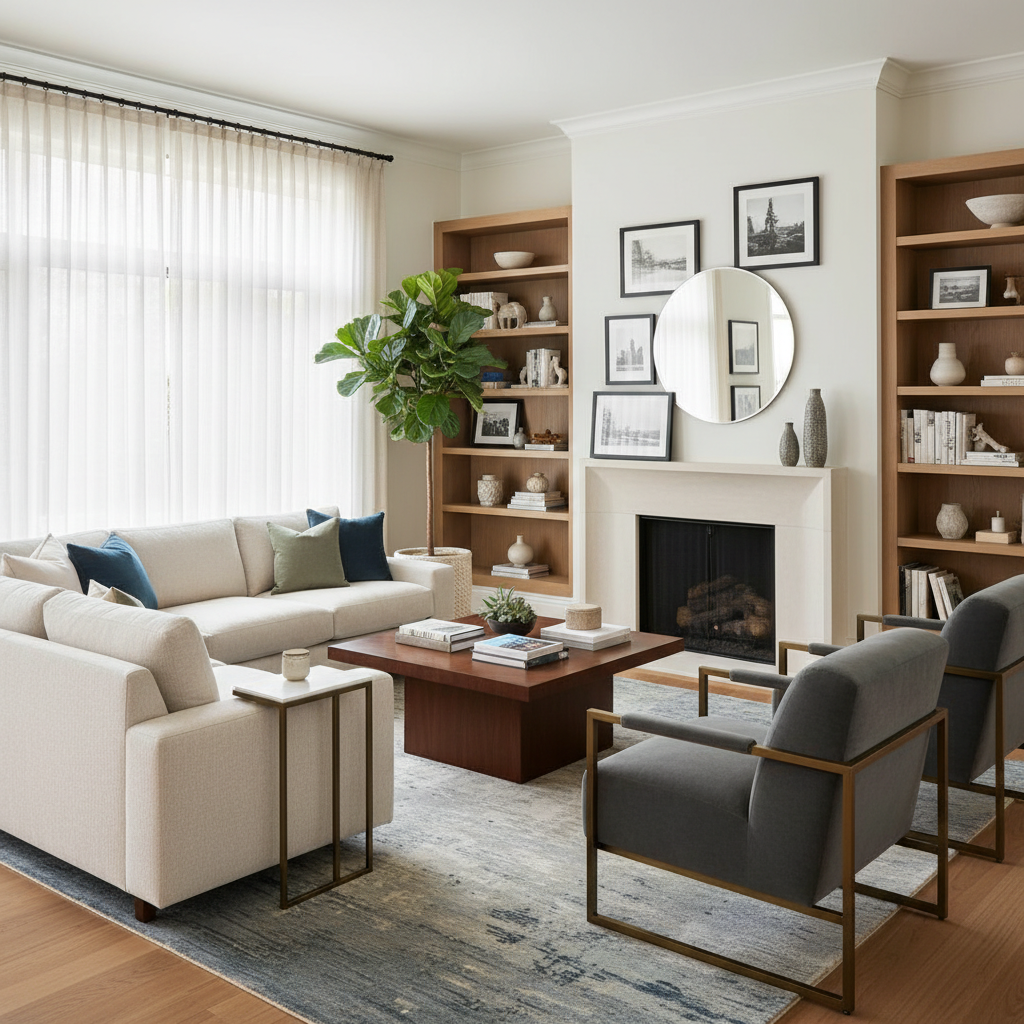
Buyers often struggle to envision how they would live in a home unless it is dressed appropriately. Staging helps create a visual narrative that allows buyers to see potential without the clutter. An inviting atmosphere can make a crucial difference in the buyer's decision-making process.
Statistics on Home Staging
According to a study by the Real Estate Staging Association, homes that were staged sold 73% faster than those that were not. This suggests that not only do staged homes often command higher prices, but they also tend to close quicker, saving you time on the market.
Common Misconceptions About Staging
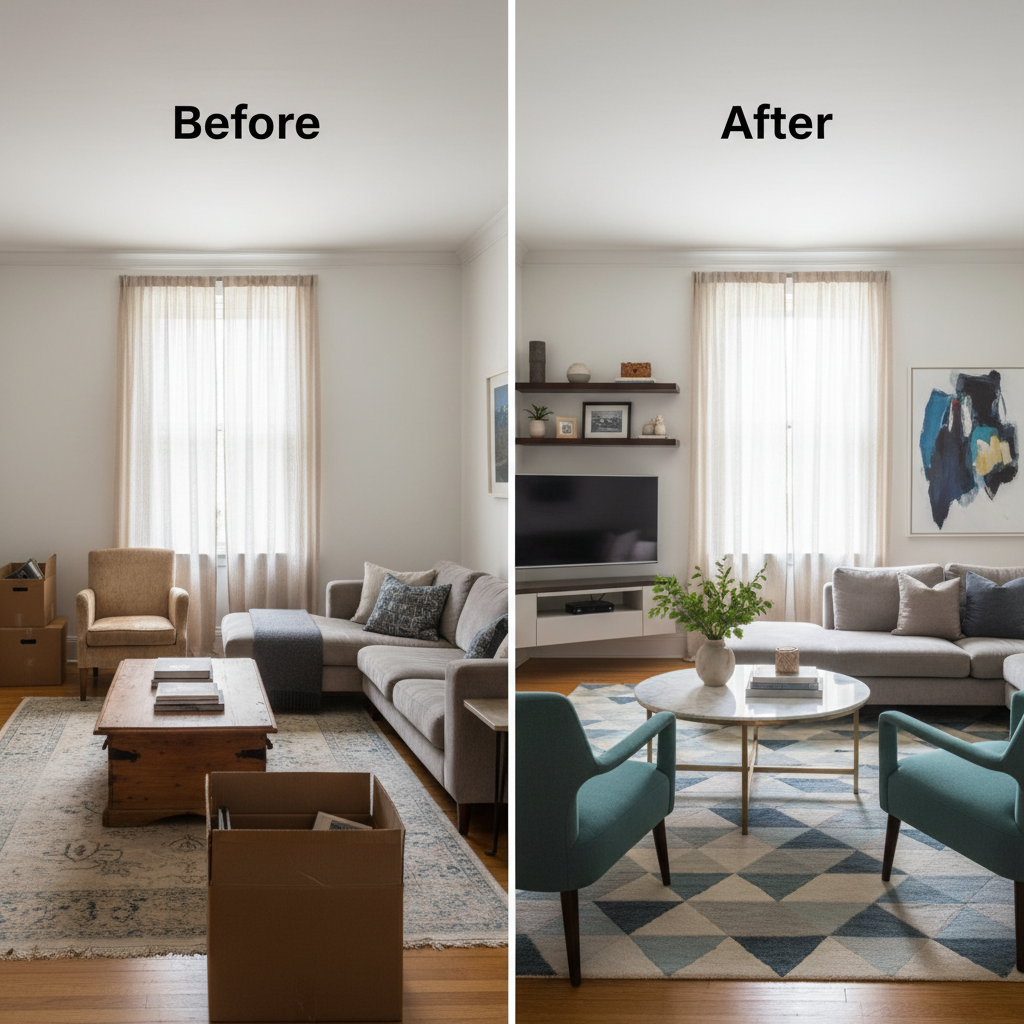
One common misconception is that home staging is synonymous with major renovations or expensive design overhauls. In reality, effective staging can be done on a budget. Strategic use of existing furnishings, art, and decor can create a strong impact without significant spending.
How to Stage Your Home Effectively
To stage your home effectively, follow these key guidelines:
- Declutter: Remove unnecessary items that can distract from the home’s features.
- Enhance Lighting: Ensure spaces are well-lit; natural light can make spaces feel larger and more inviting.
- Neutral Palette: Use neutral colors to appeal to a broader audience.
- Focus on Key Areas: Prioritize staging the living room, kitchen, and master bedroom, as these areas often influence buyers the most.
DIY vs. Professional Staging
Deciding between DIY staging and hiring a professional can depend on your budget, time, and expertise. DIY staging can be cost-effective, but if you’re not confident in your design skills, a professional stager can provide valuable insight and help you set the right atmosphere to appeal to buyers.
Final Thoughts
Investing in home staging can indeed increase property value and expedite sales. While it may require some upfront costs, the potential return on investment can be significant. Remember to consider your target market and stage accordingly to maximize the appeal.
Key takeaway
Home staging is not just about aesthetics; it can create a powerful emotional connection for buyers, making them more likely to see the property as their future home.