Introduction: The Need for Speed in Student Housing Sales
Try Palette Immo AI Interior Styler
Transform empty rooms and listing photos with AI virtual staging and interior design. Get started in minutes.
Get startedThe competitive landscape of student housing in Canada requires innovative strategies for faster sales. With an increasing number of students seeking off-campus living, staging companies must adapt to meet this demand. This article explores how virtual staging can enhance property presentations and speed up sales.
Understanding Virtual Staging
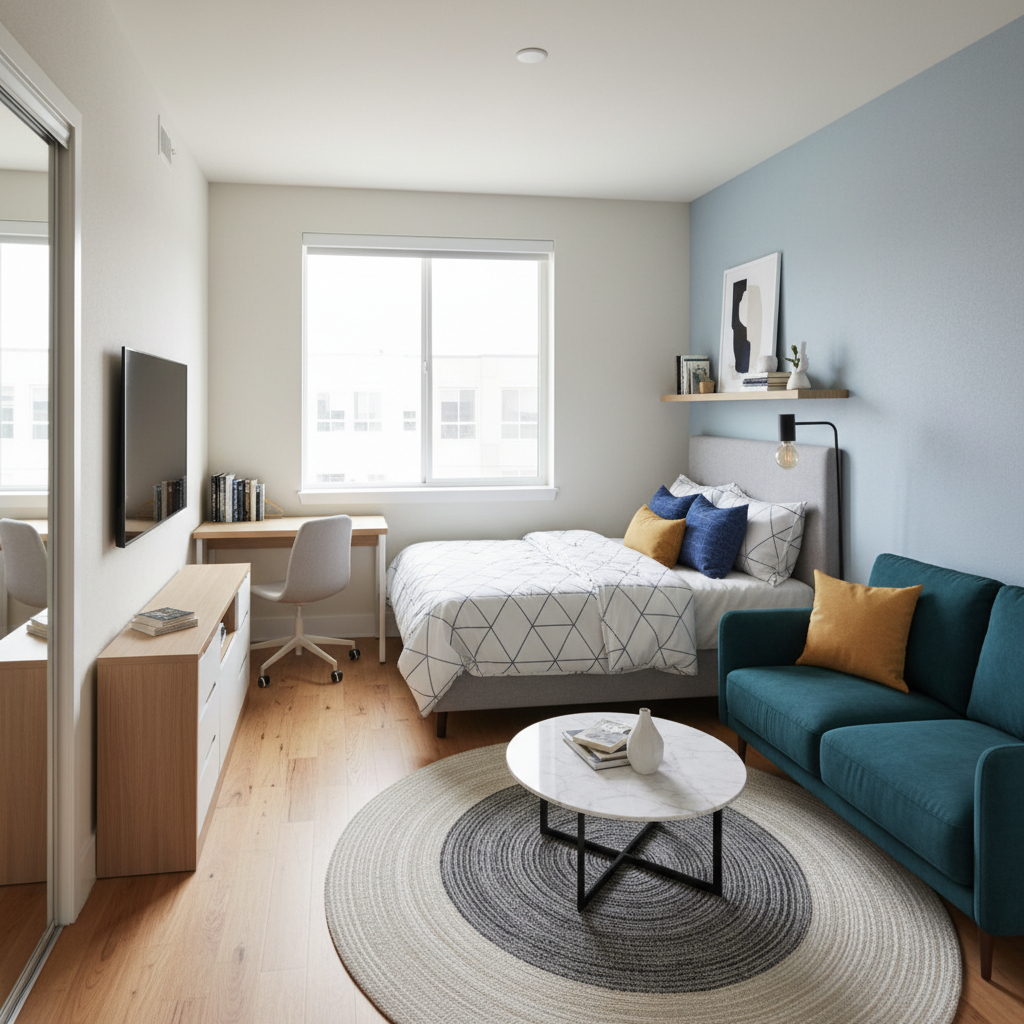
Virtual staging involves using digital technology to furnish and decorate properties using 3D modeling and graphic design software. Unlike traditional staging, which uses physical furniture and decorations, virtual staging allows for flexibility and creativity without the logistical challenges. This approach is particularly important for student housing, where target demographics may have specific tastes and preferences.
Why Virtual Staging Works for Student Housing
Virtual staging appeals to tech-savvy students and their parents, offering a modern aesthetic that resonates with young renters. Here are a few reasons why it's effective:
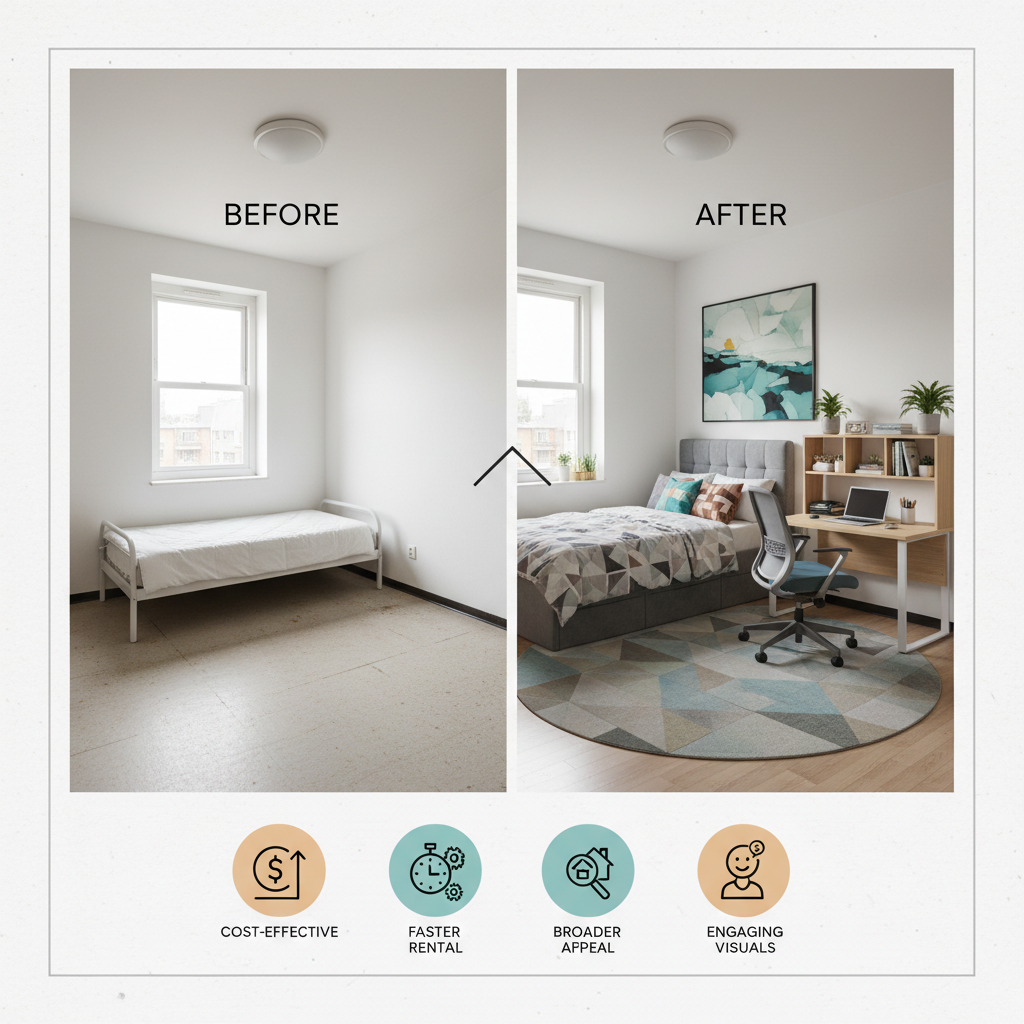
- Cost-Effective: Virtual staging is usually more budget-friendly than traditional staging, helping landlords keep operating costs lower.
- Visual Appeal: High-quality visuals can make listings stand out in online marketplaces saturated with options.
- Speed of Turnaround: Virtual staging can be completed quickly, allowing properties to be market-ready in days instead of weeks.
- Targeted Marketing: Staging companies can customize designs to cater to common student preferences, such as communal living spaces or study areas.
Success Stories of Virtual Staging in Action
Many staging companies have successfully implemented virtual staging to enhance the appeal of student housing. For instance, a Toronto-based company reported that properties staged virtually received double the inquiries compared to those without any staging. This rapid increase in interest led to a decrease in the average time on the market, illustrating how effective this strategy can be. Another case study highlighted a multi-room apartment that was virtually staged to show flexible living spaces, attracting a larger group of potential renters who appreciated the option of shared accommodations. These stories underscore the tangible benefits of adopting virtual staging for student housing properties.
Best Practices for Implementing Virtual Staging
To effectively utilize virtual staging in the student housing market, follow these best practices:
- Hire Professional Designers: Utilize experienced designers who understand the nuances of virtual staging and the preferences of student renters.
- Showcase Multiple Styles: Provide various staging options that represent different aesthetics—modern, rustic, minimalist—to appeal to a diverse range of students.
- Incorporate Local Culture: Consider local trends or university themes that reflect the culture of the area, making the property more relatable to prospective tenants.
- Use High-Quality Images: Invest in producing high-resolution images that demonstrate the full potential of the staged space, as these are often the first impressions for viewers.
Common Mistakes to Avoid with Virtual Staging
While virtual staging offers numerous benefits, there are challenges that must be navigated:
- Over-Staging: Avoid cluttering rooms with unnecessary furniture or decorations, which can detract from the space.
- Ignoring Target Audience Needs: Understand the specific needs of students—designs should be practical, functional, and appealing to this demographic.
- Misrepresentation: Ensure that the staged images accurately represent the property to avoid disappointment during viewings.
Conclusion: Embracing the Future of Staging
As the demand for student housing continues to rise in Canada, it’s crucial for staging companies to adopt innovative solutions like virtual staging. By leveraging technology to enhance visual appeal and provide flexible marketing solutions, staging companies can significantly improve their ability to sell student housing faster. With the right strategies in place, virtual staging can transform the rental market, creating win-win scenarios for landlords and tenants alike.
Key takeaway
Virtual staging not only saves time and money but also allows for tailored designs that resonate with the student demographic, ensuring faster rental transactions.