Introduction to Wabi-Sabi in Kids' Bedrooms
Try Palette Immo AI Interior Styler
Transform empty rooms and listing photos with AI virtual staging and interior design. Get started in minutes.
Get startedThe wabi-sabi aesthetic embraces imperfection, transience, and simplicity, making it an ideal choice for children’s spaces. In Berlin, this design philosophy transforms kids’ bedrooms into serene environments that prioritize functionality and emotional well-being.
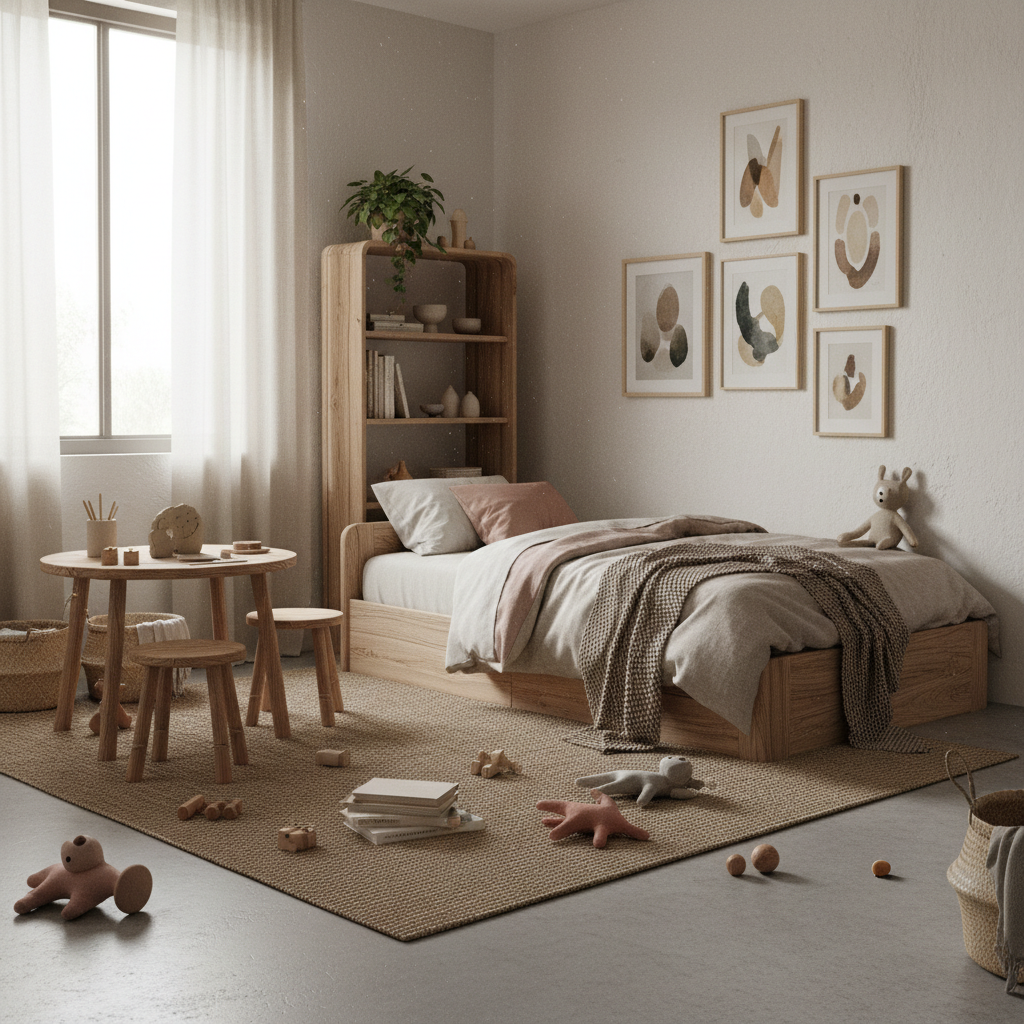
1. The Cozy Corner Layout
A cozy corner with a floor cushion or bean bags provides a relaxed reading nook where children can connect with their emotions.
2. Multi-Functional Loft Bed
Utilizing vertical space with a loft bed encourages imaginative play beneath the bed while creating an open area for activities.
3. Nature-Inspired Elements
Incorporate natural materials like wooden furniture, crocheted items, and potted plants to foster a connection with the outdoors.
4. Playful Color Palettes
Utilize soft, muted colors inspired by nature to encourage tranquility and minimize distractions. Earthy tones in bedding and wall decor enhance wabi-sabi aesthetics.
5. Handmade Decor
Encourage the use of handmade crafts, such as pottery or DIY projects, which allow children to express their individuality while embracing the beauty of imperfection.
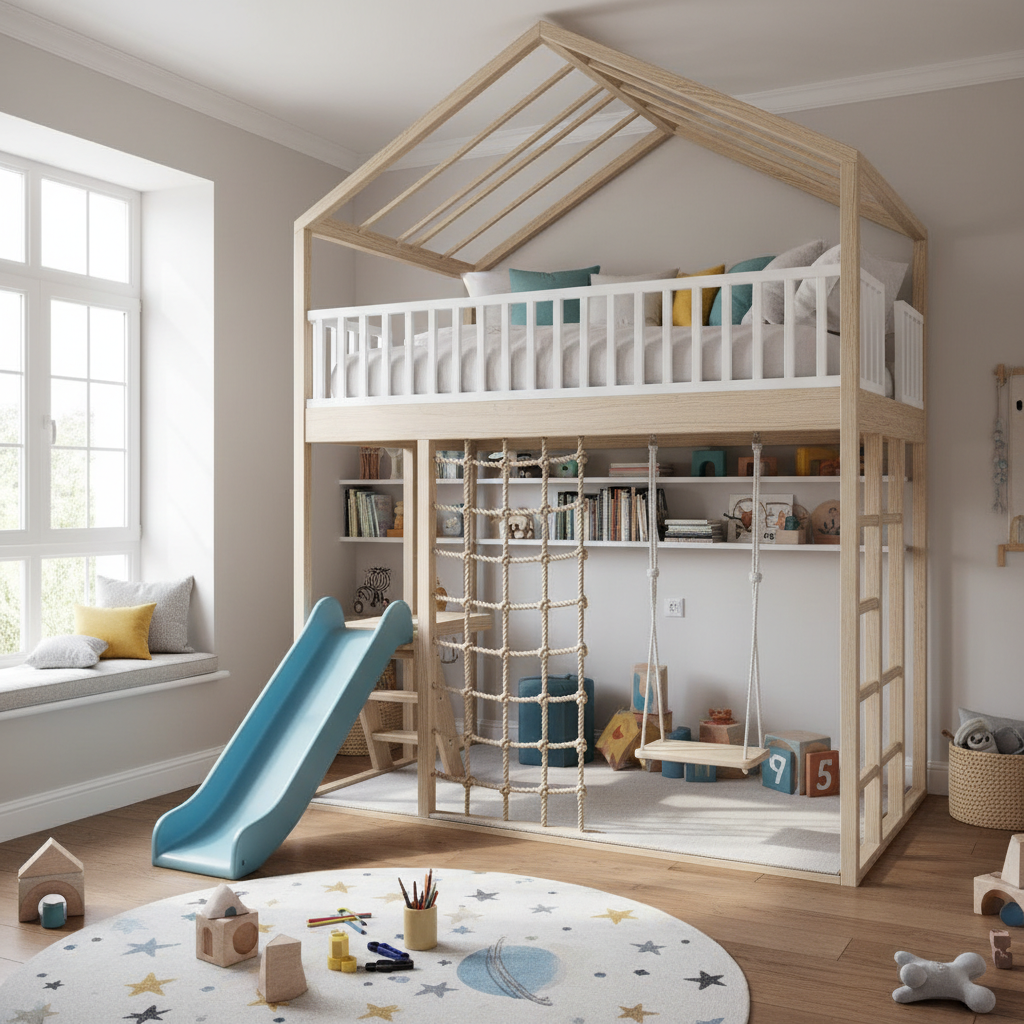
6. Open Floor Plan
Designing an open layout allows ample space for movement and encourages play. It also creates a clutter-free environment essential for a calming atmosphere.
7. Organic Textiles
Choose bedding and rugs made from organic fabrics that are kid-friendly and PVC-free, reflecting a sustainable lifestyle that resonates with the wabi-sabi concept.
8. Creative Storage Solutions
Incorporate storage that complements the decor, such as open shelves and natural wicker baskets, allowing kids to access their toys while keeping the room organized.
9. Soft Lighting
Use warm, soft lighting elements like fairy lights or lamps with soft shades to create a cozy environment that promotes relaxation and fun time before bed.
10. Personalize with Art
Encourage children to display their artwork on a dedicated wall space. This not only personalizes their room but also celebrates the beauty of creativity.
11. Rotating Display
Utilize a rotating display of toys or decor items to keep the environment fresh. This rotation allows children to engage with new textures and visuals regularly.
12. Textured Walls
Consider textural painting techniques or using natural wallpaper to provide visual interest while staying true to the wabi-sabi principle of embracing flaws.
Key takeaway
Wabi-sabi interiors nurture children's creativity and emotional growth, proving that simplicity and imperfection can coexist beautifully in their spaces.
Conclusion
Adopting wabi-sabi principles to design kids' bedrooms combines aesthetics with functionality while nurturing a child's imagination and individuality. These layouts encourage a harmonious balance that reflects their personalities.