Understanding Transitional Design
Try Palette Immo AI Interior Styler
Transform empty rooms and listing photos with AI virtual staging and interior design. Get started in minutes.
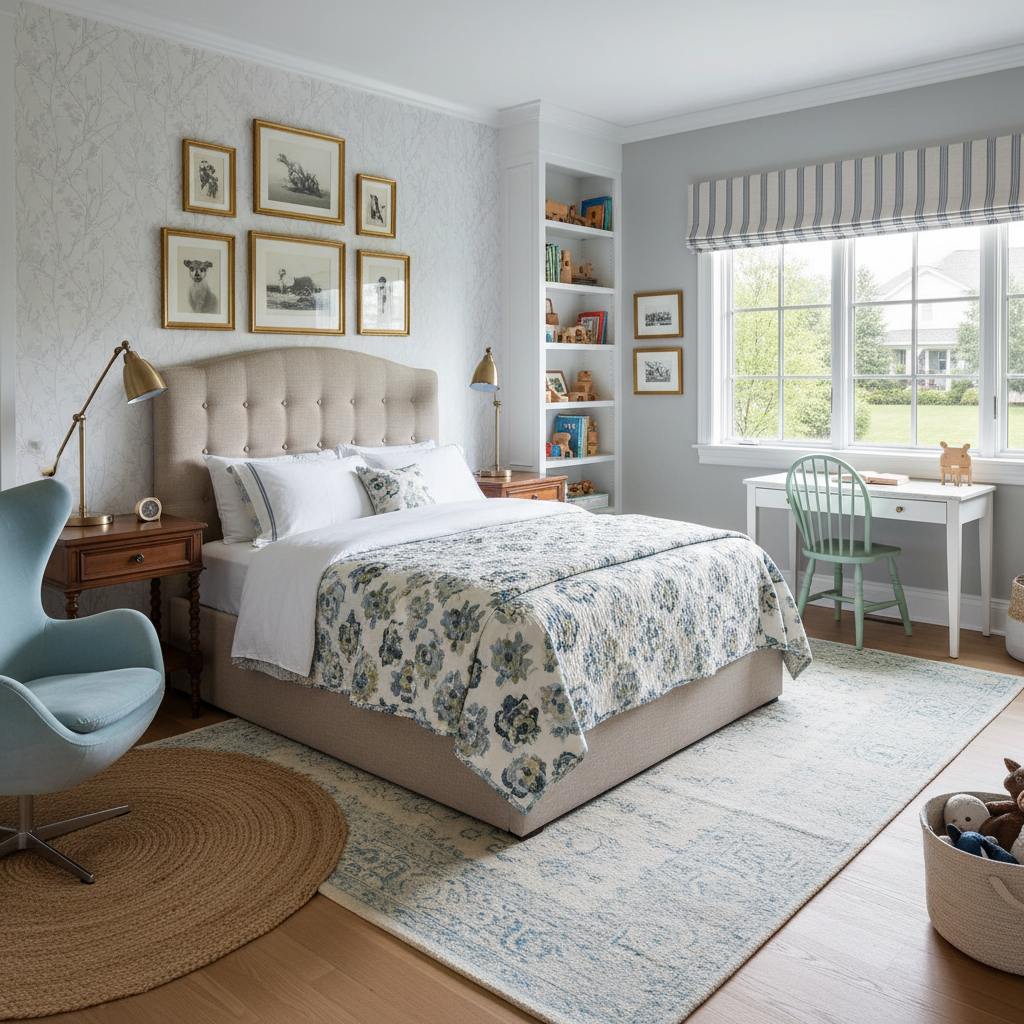
Get startedTransitional design blends the traditional with the contemporary, making it a perfect choice for kids' bedrooms. It creates a seamless flow between classic and modern elements, ensuring that the space is not only comfortable but also visually appealing. This style allows for a playful yet sophisticated environment where children can grow, play, and express themselves.
Using AI for Quick Room Setup
With the advent of artificial intelligence, the process of designing a kid's bedroom has become faster and more efficient. AI interior design tools, like Palette.immo, enable you to generate design prompts and visualize spaces in just minutes. This technology pulls from a vast database of styles, colors, and layouts, providing you with tailored suggestions to suit both the aesthetics and functional needs of the room.
Step-by-Step: Designing a Transitional Kids Bedroom
Here's how you can create a transitional kids' bedroom in 60 seconds using AI:
- Choose a Color Palette: Start with a neutral base color like beige or soft gray and add splashes of vibrant hues through accessories.
- Select Furniture: Opt for furniture that combines classic shapes with modern finishes. Think of a smooth-edged wooden bed paired with a sleek metal desk.
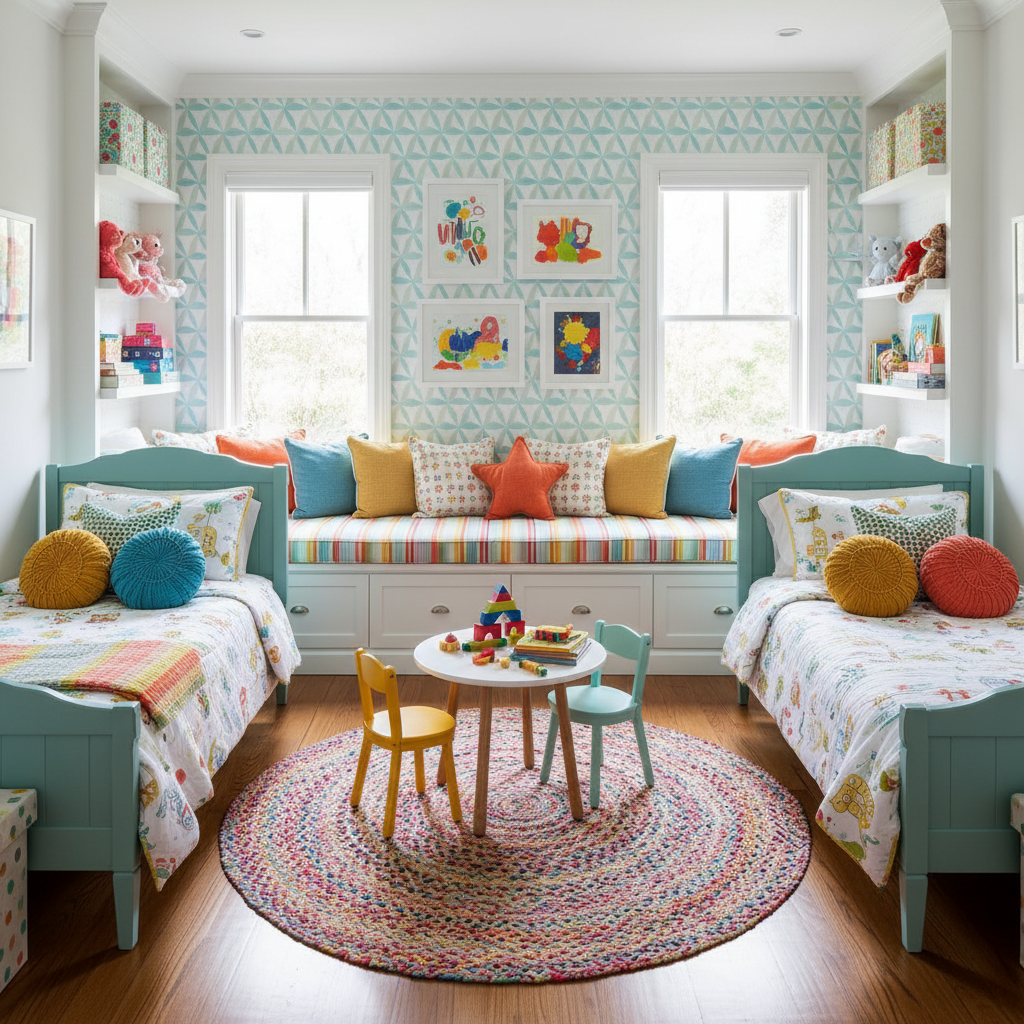
- Accessorize Wisely: Add elements like patterned throw pillows, layered rugs, or vintage toys to create a playful atmosphere.
- Lighting: Incorporate a mix of ambient and task lighting. A stylish chandelier combined with bedside lamps creates a cozy atmosphere.
Key Features of Transitional Decor
Transitional decor emphasizes clean lines, subdued colors, and an overall sense of balance. Here are a few critical features to keep in mind:
- Versatile Furniture: Pieces that work well for both children and pre-teens, adapting as they grow.
- Neutral Base with Pops of Color: Choose a neutral foundation and add colorful elements that can be easily changed as your child's tastes evolve.
- Textures and Patterns: Incorporate various textures and patterns—like soft blankets, plush rugs, and patterned curtains—to add depth and interest.
Common Mistakes to Avoid
When designing a kid's bedroom, it’s easy to overlook functionality in favor of aesthetics. Here are a few common mistakes you should avoid:
- Overlooking Storage: Kids have a lot of toys and clothes. Ensure you incorporate ample storage solutions like built-in shelves and under-bed drawers.
- Ignoring the Child's Input: The room is for them. Involve your child in the design process to create a space that reflects their personality.
- Complicated Designs: Keep things simple; a tidy space promotes creativity and easy cleanup.
Key takeaway
Using AI for interior design simplifies the entire process, allowing you to focus on creating a space that evolves alongside your child's needs and interests.
Conclusion
Your kid's bedroom should be a reflection of their personality and a space where they can learn and grow. With AI tools at your disposal, you can achieve a beautifully designed transitional bedroom in just a minute. Embrace the technology, avoid common pitfalls, and watch as your child's creativity flourishes within their new space!