Understanding Wabi-Sabi
Try Palette Immo AI Interior Styler
Transform empty rooms and listing photos with AI virtual staging and interior design. Get started in minutes.
Get startedWabi-sabi is a Japanese aesthetic philosophy that celebrates imperfection, transience, and the beauty found in natural diversity. Rather than focusing on uniformity and pristine standards, it cherishes the authenticity of a space. In the context of small living rooms, wabi-sabi creates a cozy, unique environment where every item tells a story. Soft colors, natural materials, and elements of rustic charm come together harmoniously, appealing to the discerning eye of any photographer.
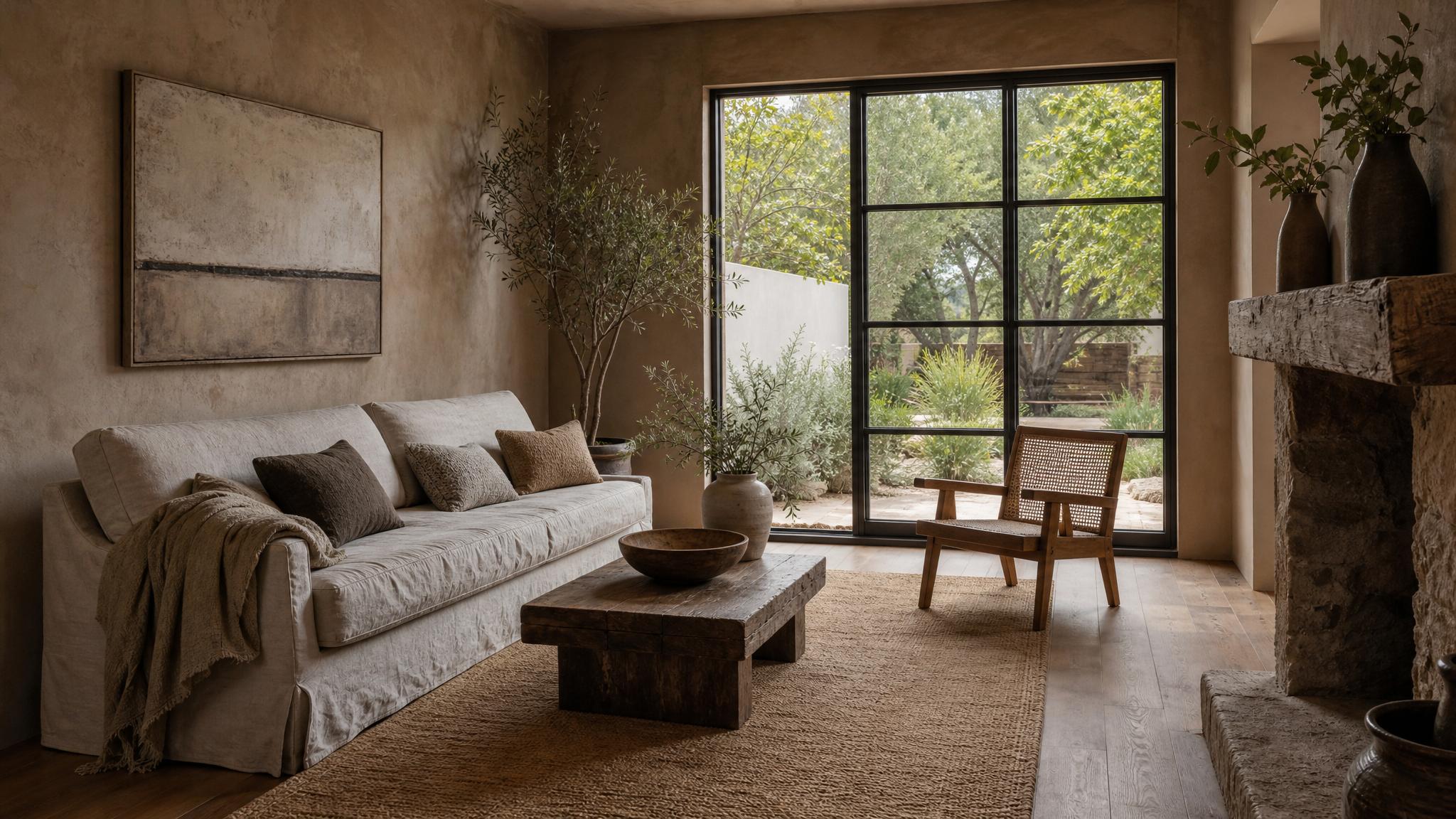
1. Embrace Natural Materials
To capture the wabi-sabi essence, focus on incorporating natural materials such as wood, stone, and linen. Consider a rough-hewn coffee table made from reclaimed wood or soft, unbleached linen drapes. These elements not only bring warmth to your small living room but also photograph beautifully, allowing for interesting textures and shadows.
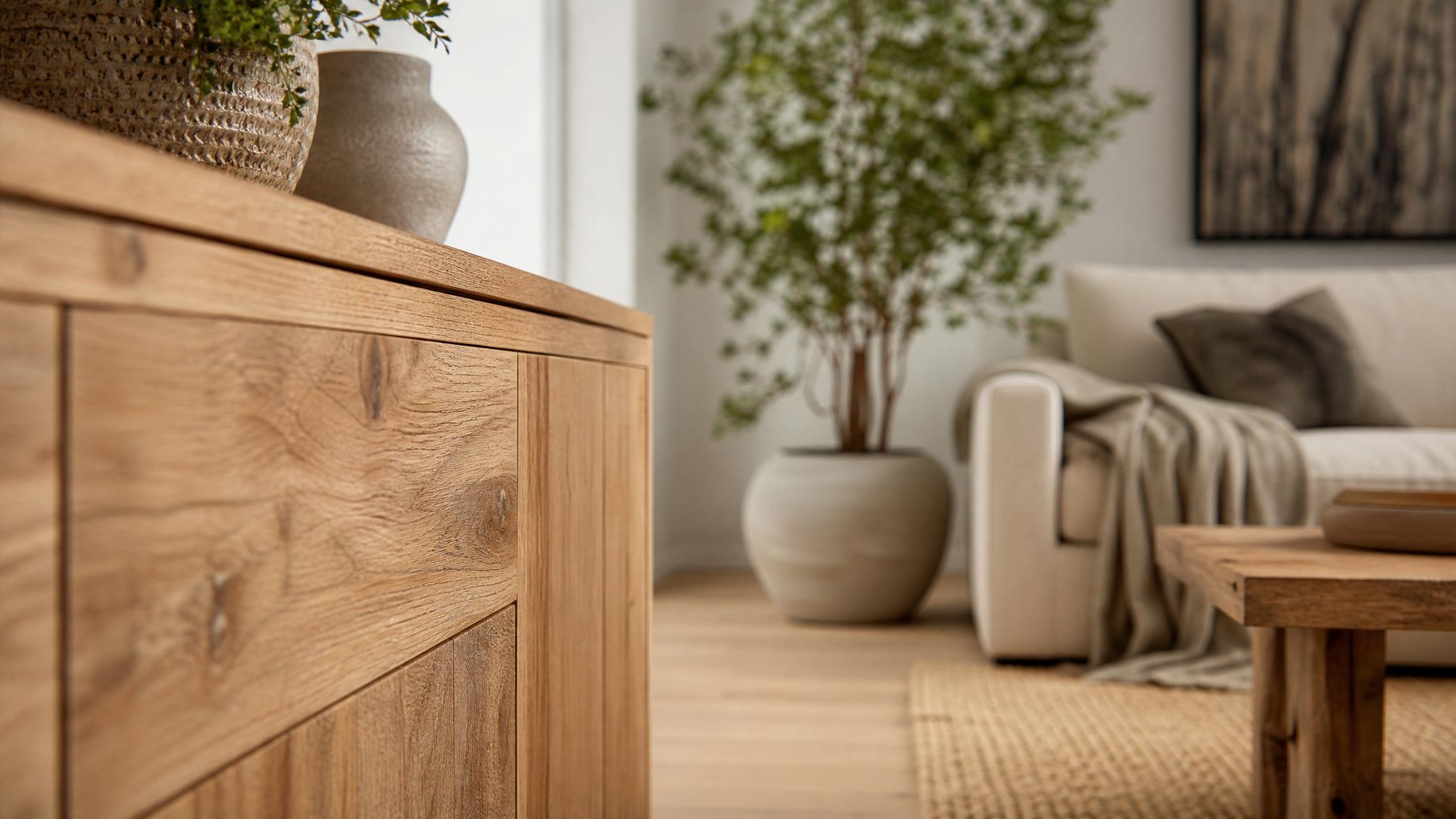
2. Play with Color Palette
The wabi-sabi aesthetic thrives in muted, earthy tones. Think soft grays, deep browns, and gentle greens. This color scheme brings a sense of calm and serenity to the space while also ensuring that your living room photographs with a cohesive and inviting atmosphere. Accents of color can be introduced through plants or cozy throws.
3. The Charm of Imperfect Ceramics
Choose handmade pottery that exhibits irregular shapes or uneven glazing. These pieces can act as focal points in your small living room and showcase the beauty of imperfection. When photographed, they can highlight the artistry involved in their creation, drawing attention to their unique character.
4. Incorporate Asymmetry
Asymmetry plays a crucial role in wabi-sabi design. Opt for furniture arrangements that avoid exact symmetry—for instance, a small sofa facing an armchair rather than a matching loveseat set. This can create a more dynamic, inviting feel and make your space appear more lively in photographs.
5. Introduce Organic Shapes
Incorporate furniture and decor items with organic, flowing shapes. A round coffee table or a curvy chair introduces a sense of movement in a small space. These pieces not only enhance the wabi-sabi aesthetic but also make beautiful silhouettes when captured through the lens.
6. Layer Textures
Losing yourself in the layers of textures can create a cozy atmosphere in your small living room. Mix soft velvet cushions with rugged wool throws and a jute rug on the floor. Textures photograph beautifully and invite viewers into the inviting space you've curated.
7. Decorate with Meaningful Objects
Showcase objects that hold personal significance, like a travel souvenir or a cherished family heirloom. These items spark conversation and add character to your space. When arranged thoughtfully and photographed, they narrate your personal story and infuse the room with warmth.
Key takeaway
When designing your small living room with a wabi-sabi approach, remember to balance authenticity with aesthetic unity. Each piece should resonate personally, inviting an appreciation for nature, imperfection, and the stories these items tell.
Quick Wins for a Wabi-Sabi Living Room
- Start with a neutral base and gradually incorporate earthy hues.
- Invest in one or two statement pieces that embody imperfection.
- Layer different textures to create depth and comfort.
- Use plants to bring a touch of nature into your space.
- Focus on personal artifacts that showcase your journey.