Understanding Natural Light
Try Palette Immo AI Interior Styler
Transform empty rooms and listing photos with AI virtual staging and interior design. Get started in minutes.
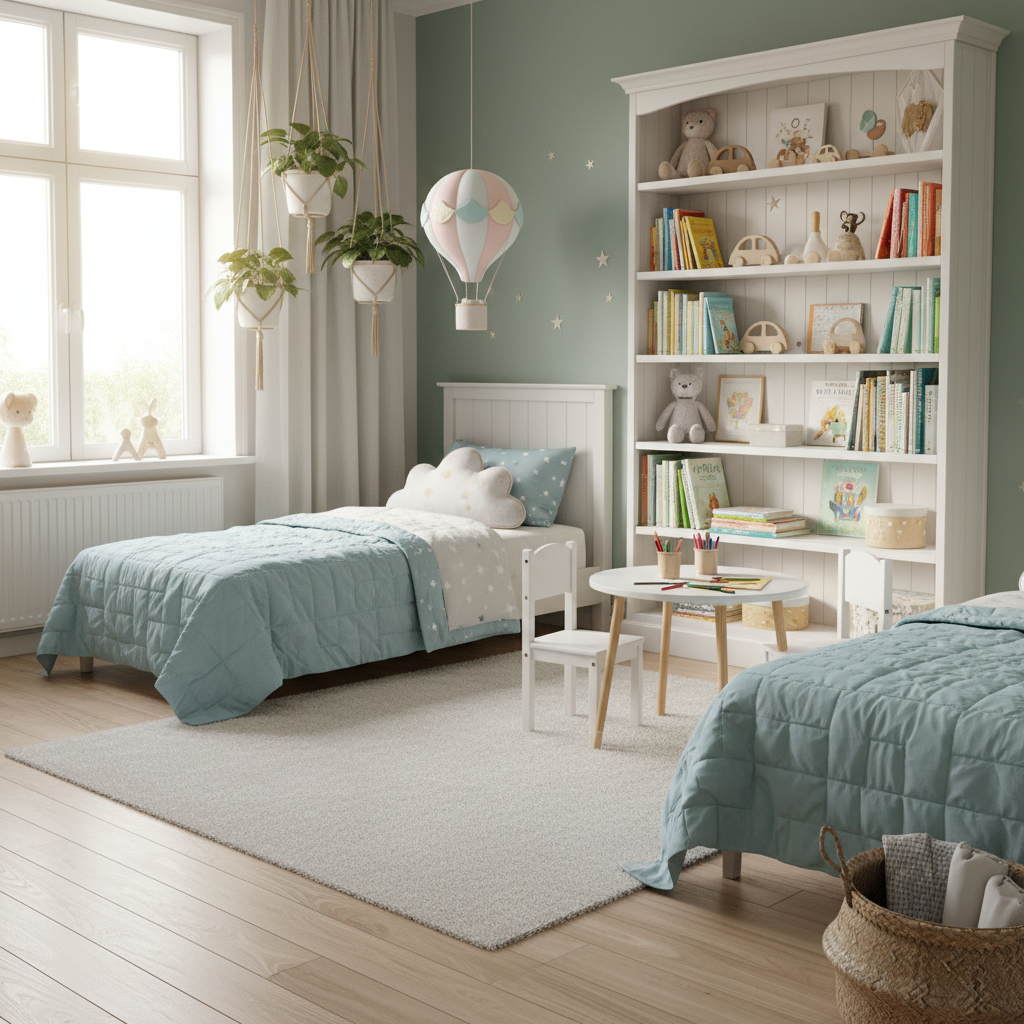
Get startedNatural light can be your best friend when photographing kids' bedrooms. Use windows as a light source to create a soft and inviting atmosphere. Pay attention to the time of day; the golden hour, just before sunset, can provide a warm glow. A sunny day may offer too much direct light, so consider cloudy days for a more diffused illumination.
Utilizing Light Positioning
The position of lighting can make a dramatic difference. Ideally, set your camera up across from the window. This positions the light in front of your subject, highlighting the features of the room without creating harsh shadows. If you have multiple windows, notice how the light varies and choose the best angle for a balanced shot.
Reflective Surfaces
Mirrors or light-colored surfaces can help bounce light around the room, enhancing brightness. Use reflective decor items to accentuate natural light. For example, a white dresser or a shiny lamp can create interesting lighting patterns in the room.
Adjusting Your Camera Settings
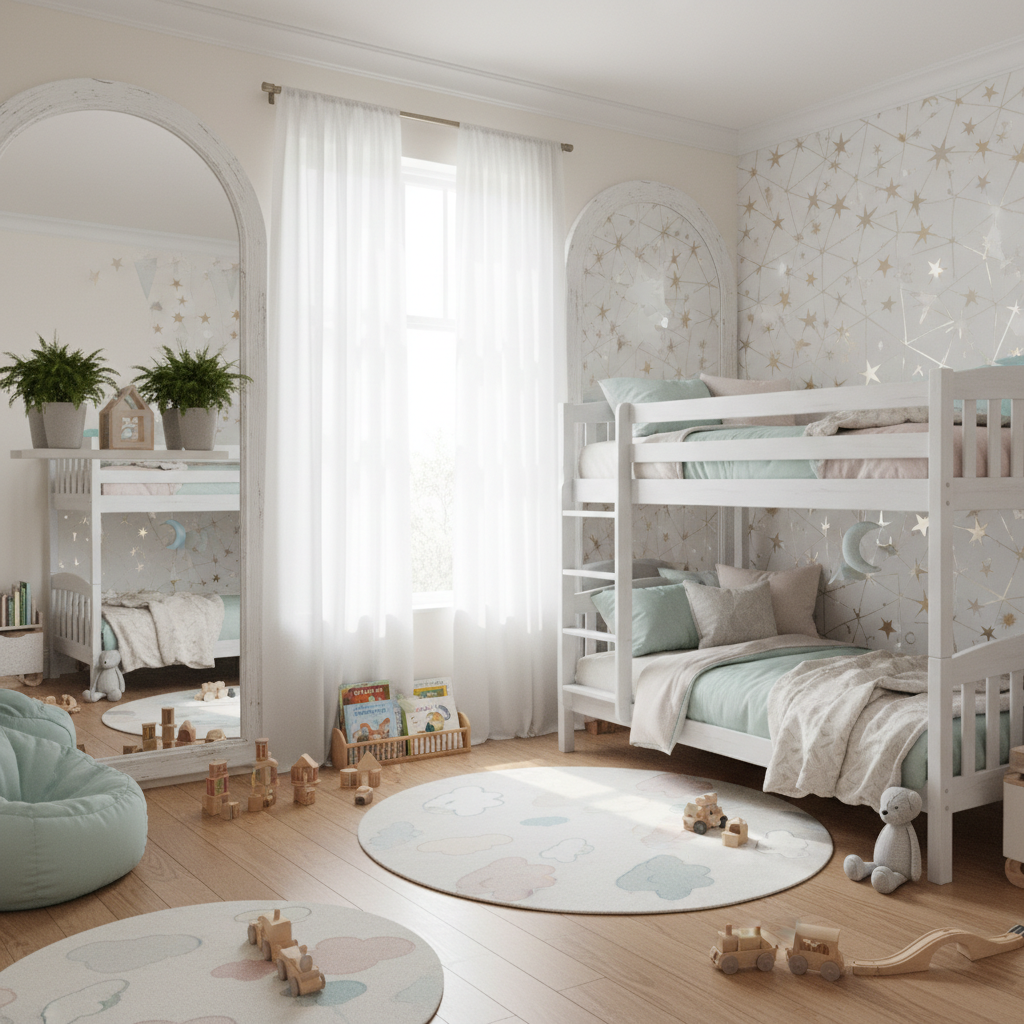
Understand the fundamentals of your camera settings to improve your photos without relying on flash. If using a DSLR, lower the ISO to reduce noise. Open the aperture wider to allow more light in. If using a smartphone, explore the camera settings to adjust the exposure and focus points. Utilizing manual settings can greatly enhance photo quality.
Avoiding Clutter and Unwanted Shadows
Before taking pictures, declutter the space to ensure focus remains on the room’s beautiful aspects. Shadows can creep in unexpectedly; to prevent this, ensure no objects obstruct light paths. A tidy room will not only photograph better but also appear more inviting.
Key takeaway
Lighting is crucial in photography. Embrace natural sources and adjust your camera settings for bright, well-composed images without flash.
Creating Soft Light with Diffusion
If the sunlight is too harsh, you can create softness by using diffusion materials. Sheer white curtains can help filter the light, making it gentle and appropriate for kids' bedrooms photos. Experiment with placement until you find a balance that works for your environment.
Capturing the Essence of the Room
Include personal touches in your photos, like toys, artwork, or books. These elements can tell a story and make the photograph feel more lived-in and relatable. Make sure to capture a wide-angle shot and some close-ups to showcase the unique design elements of the room.
Post-Editing Tips
Even the best photos can benefit from a little editing. Use photo editing software to adjust brightness, contrast, and saturation levels. You can also crop the photo to eliminate distractions and draw attention to the key features of the space.