Introduction
Try Palette Immo AI Interior Styler
Transform empty rooms and listing photos with AI virtual staging and interior design. Get started in minutes.
Get startedStaging a small living room can be challenging. The space must feel inviting and functional while showcasing its best features. Unfortunately, many homeowners and real estate agents make common mistakes that can diminish the room's appeal. In this article, we'll explore 25 errors often made when staging a small living room and provide practical fixes to enhance the space.
1. Overcrowding the Space
One of the most frequent mistakes is overcrowding the small living room with too much furniture. It can make the room feel cramped and uninviting.
Fix:
Choose a few key pieces of furniture and stick to essential items. Consider multifunctional furniture like ottomans or coffee tables with storage capabilities.
2. Using Dark Colors
Many believe that dark colors can make a small living room feel more cozy, but they can often have the opposite effect, making the space feel even smaller.
Fix:
Opt for light and neutral colors on walls and furniture. Cream, light grey, or soft pastels can help reflect light and create an airy feel.
3. Blocking Natural Light
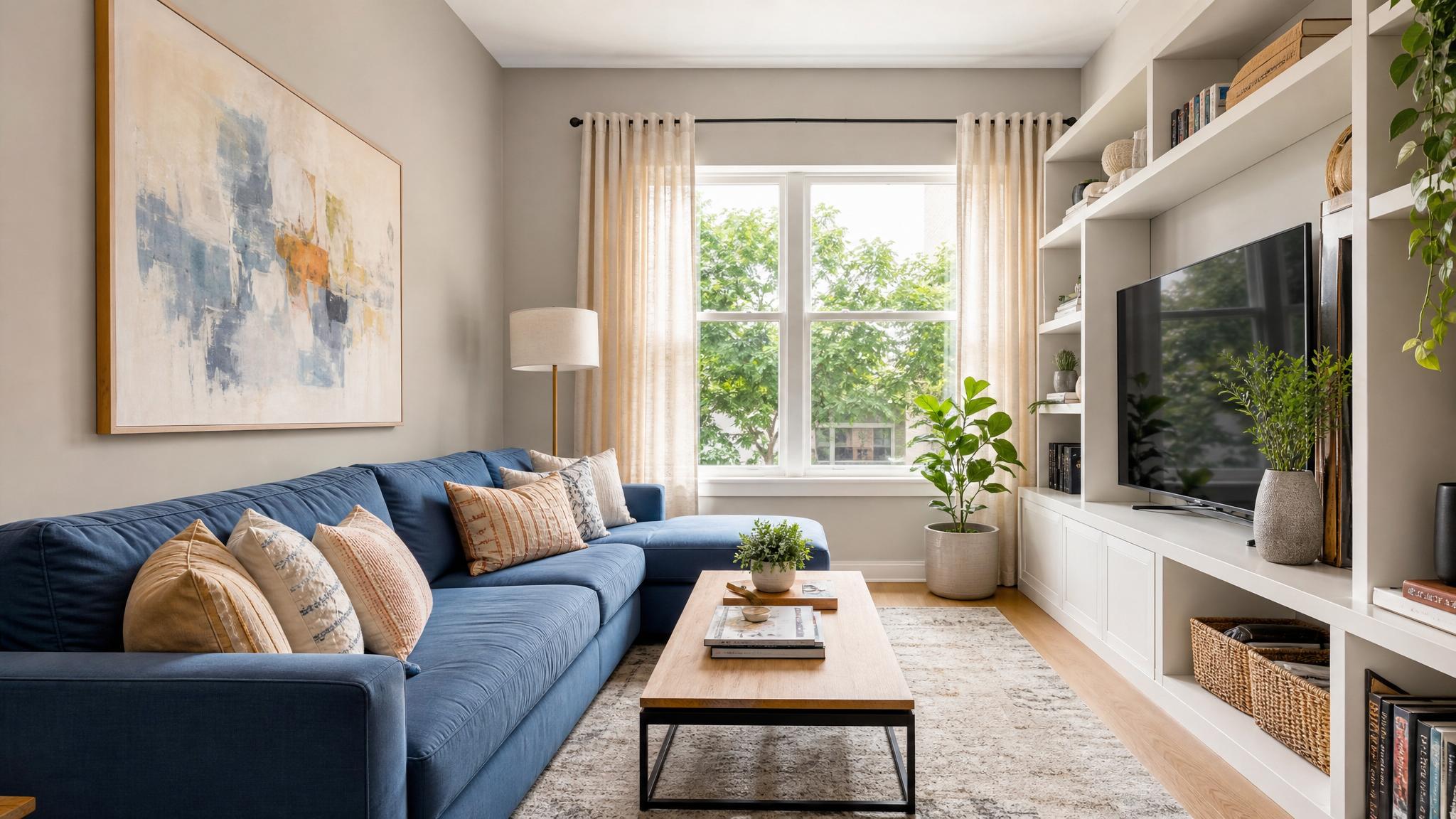
Furniture placement can drastically affect the amount of natural light in the room. Blocking windows with large furniture can darken the space.
Fix:
Be strategic with furniture placement. Keep large pieces away from windows, and consider sheer curtains to allow light to filter through.
4. Ignoring Scale
Using furniture that is too large or too small can make a room feel unbalanced. Oversized furniture can overpower a small space, while tiny pieces can feel lost in it.
Fix:
Select furniture that is proportional to the size of the room. A well-scaled couch paired with small accent chairs can create a more harmonious look.
5. Lack of Cohesion
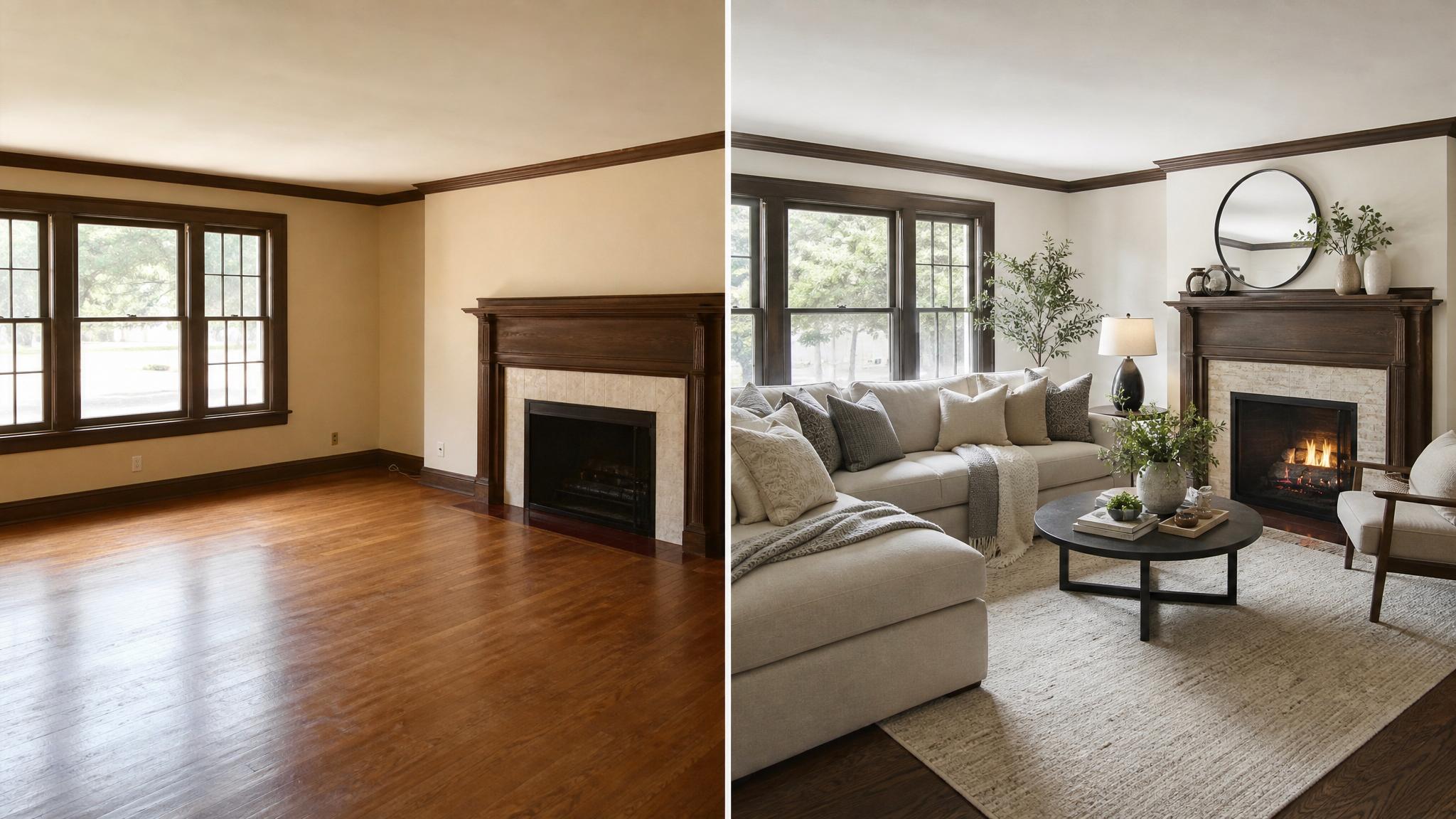
Different styles, colors, and materials can create a jarring effect that detracts from the overall appeal of the living room.
Fix:
Choose a cohesive color palette and style. Stick with similar materials and finishes to create a unified look.
6. Overdecorating the Walls
Too many framed pictures, decorations, or wall hangings can overwhelm a small living room.
Fix:
Limit wall decor to one or two focal pieces. Use large art pieces rather than multiple small ones to create depth without overcrowding.
7. Not Defining Spaces
In a small living room, having a defined purpose for each area is crucial. A muddled space can look chaotic.
Fix:
Use rugs to segment areas for different functions, such as seating or reading, to give each space a clear purpose.
8. Neglecting Lighting
Poor lighting can make even the prettiest small living room look uninviting.
Fix:
Layer lighting by combining ambient, task, and accent lighting. Use floor lamps, table lamps, and dimmers for versatile lighting options.
9. Skipping Texture
A lack of texture can lead to a bland space. Textured furnishings add visual interest.
Fix:
Incorporate a mix of textiles and materials, such as soft throws, cushions, and different surfaces to give life to the space.
10. Ignoring Functionality
Staging should not only focus on aesthetics but also on how people will use the space.
Fix:
Choose furniture that serves multiple purposes and allows for easy flow throughout the room.
11-25. Additional Common Errors and Fixes
Save room here for the remaining errors and fixes. This section will provide quick tips and solutions to common mistakes. Each additional error should keep a similar structure, outlining the problem and the effective solution.
Errors could include: Lack of Personal Touch, Ignoring Layout Flow, Too Many Accessories, Using Old or Worn-Out Furniture, and more.
Key takeaway
When staging a small living room, it’s crucial to blend functionality with aesthetics. Prioritize light, scale, and cohesive design to transform your space into an inviting and tasteful area.