Understanding Wabi-Sabi
Try Palette Immo AI Interior Styler
Transform empty rooms and listing photos with AI virtual staging and interior design. Get started in minutes.
Get startedWabi-sabi is a Japanese aesthetic that values the beauty found in imperfection and the natural world. In the context of interior design, it encourages a sense of tranquility and simplicity, promoting organic materials, muted colors, and minimal clutter. This philosophy can transform small living rooms into serene spaces that serve as a refuge in our hectic lives, while also photographing beautifully.
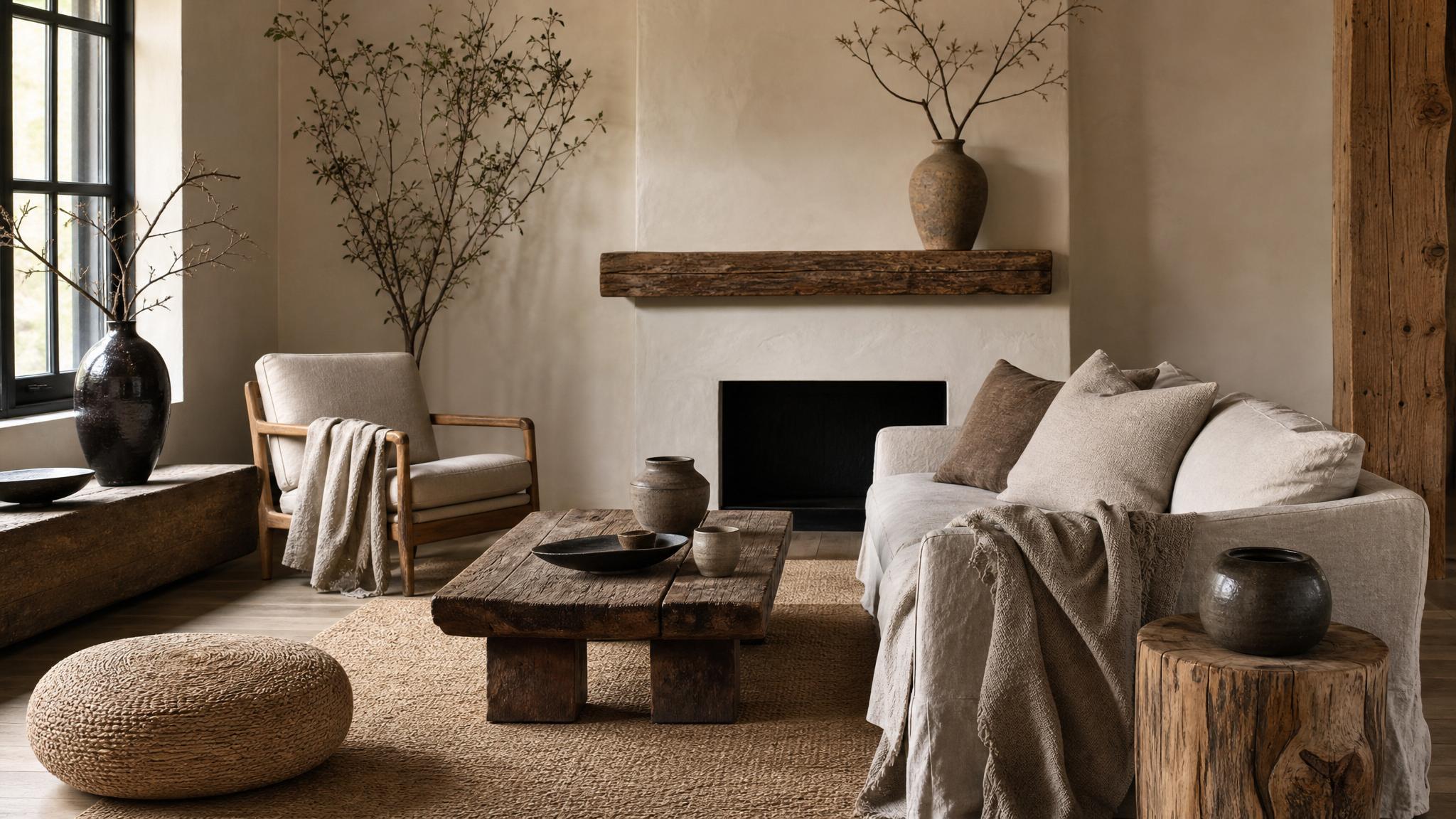
1. Embrace Natural Textures
Texture adds depth and interest to any space. Consider using earthy materials such as wood, stone, or natural fibers. A reclaimed wooden coffee table paired with a soft linen sofa can create a cozy, inviting atmosphere that looks great in photos.
2. Use Muted Color Palettes
Wabi-sabi favors soft, muted colors that reflect the simplicity and tranquility of nature. Shades of beige, soft gray, and pastel hues can create a soothing environment in your small living room. Use these colors on walls, furniture, and decor to create a cohesive look that photographs beautifully.
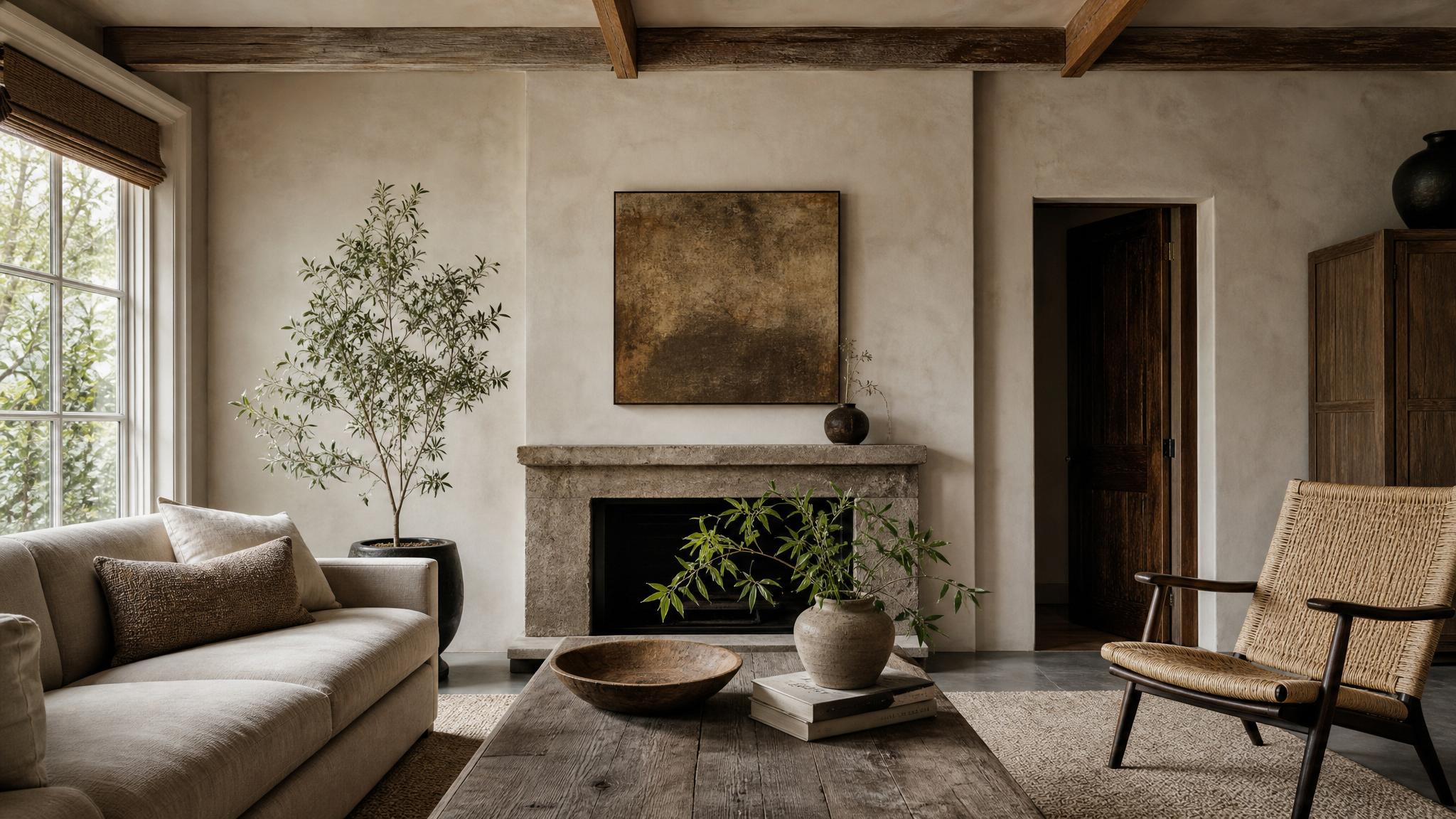
3. Incorporate Vintage Finds
Integrating vintage or repurposed furniture pieces can enhance the wabi-sabi aesthetic. Look for items with a patina or wear that tell a story. A vintage armchair with a unique pattern can serve as a focal point in your living room while adding character to your space.
4. Create a Balanced Layout
In a small living room, a balanced layout is crucial. Arrange your furniture to promote flow and functionality. Position a comfortable sofa opposite a small coffee table, and add a few accent chairs, ensuring there’s enough space for movement while maintaining a cozy feel.
5. Add Greenery
Plants not only enhance aesthetics but also purify the air. Use small potted plants, like succulents or ferns, to inject life into your space. A plant placed near a window can create beautiful shadows and contrast, making your living room pop in photographs.
Key takeaway
To master wabi-sabi in a small living room, focus on creating a serene environment that highlights imperfection and natural beauty, making it not only visually appealing but also a comforting sanctuary.
6. Utilize Soft Lighting
Lighting plays a significant role in wabi-sabi design. Use soft, warm light to create an inviting ambiance. Incorporate floor lamps with natural fibers or candles to enhance the atmosphere. This soft glow beautifies imperfections and makes your space feel warm and cozy.
7. Focus on Functionality
In small spaces, every piece of furniture should serve a purpose. Choose multifunctional items such as a sofa bed or storage ottoman. This approach not only maximizes space but embodies the wabi-sabi philosophy of practicality and simplicity.
8. Showcase Art with Meaning
Artwork should resonate emotionally within the space. Consider pieces that reflect your personal story or heritage. Hang a simple wall hanging made from natural fibers or a piece of abstract art that captures organic motifs to bring character while aligning with the wabi-sabi ethos.
9. Avoid Over-Clutter
A key aspect of wabi-sabi is minimalism. Keep your decor simple and meaningful by avoiding excess clutter. Opt for a few thoughtfully chosen pieces that contribute to the overall aesthetic and feel of the room. This will make it easier to photograph and emphasize the beauty of the space.
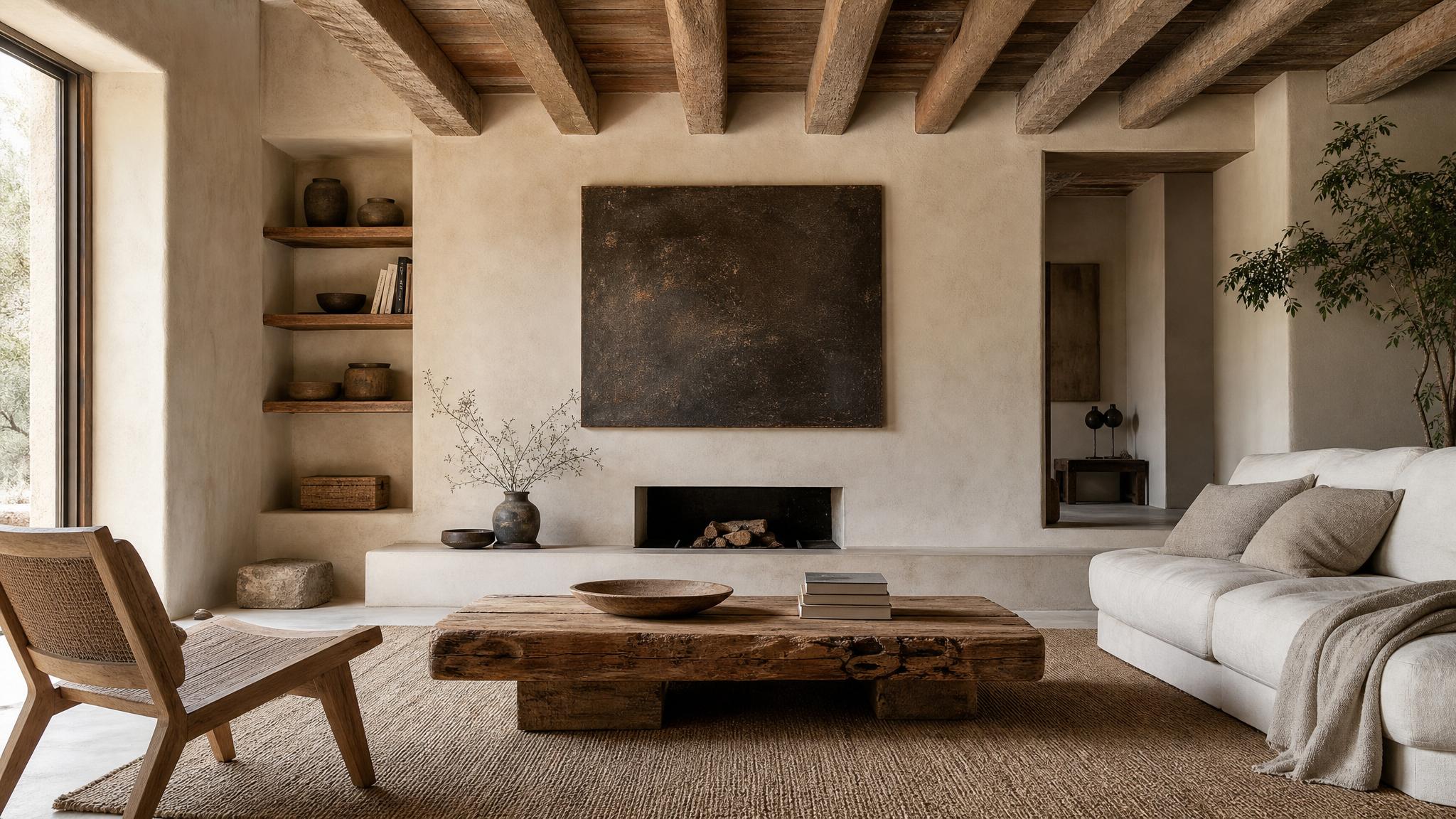
10. Personal Touches
Lastly, bring your personality into the room. Include cherished items that represent your journey or experiences, like travel souvenirs or family photos. These unique elements can create a lived-in feel while capturing the essence of wabi-sabi in your photographs.